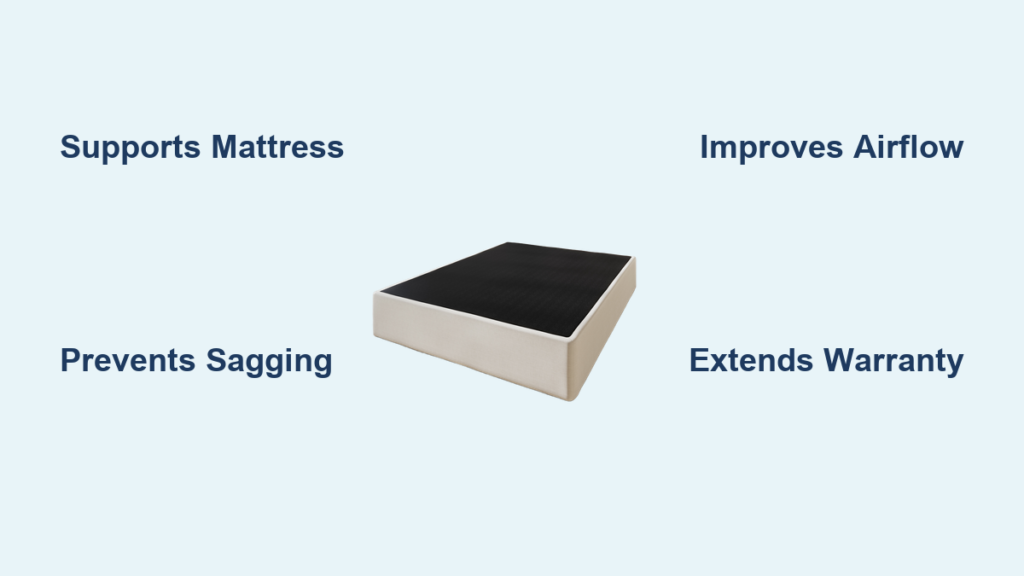
You might overlook the hidden layer beneath your mattress, yet the purpose of a box spring is vital for your nightly rest. This foundation absorbs shock, prevents sagging, and ensures your mattress lasts as long as the manufacturer promises.
This guide explains exactly how box springs work, why specific beds require them, and how to decide if your current setup needs one. You will learn to identify signs of poor support and choose the right base for your sleep style.
Supports Mattress Longevity and Structure

A primary function of a box spring is to act as a buffer between your body and the bed frame. It absorbs the daily impact of movement, preventing your mattress from wearing out too quickly.
Prevents Sagging and Dips
Innerspring mattresses especially benefit from the even weight distribution a box spring provides. Without this support, heavy areas like the hips can cause permanent dips in the mattress surface. The springs inside the box act as shock absorbers to reduce strain on the mattress coils.
Extends Mattress Warranty Coverage
Many mattress manufacturers explicitly require a specific type of foundation to keep your warranty valid. Using an improper base or placing a mattress directly on the floor can void this protection entirely. Always review your warranty terms before removing your existing box spring.
Improves Air Circulation Under the Mattress
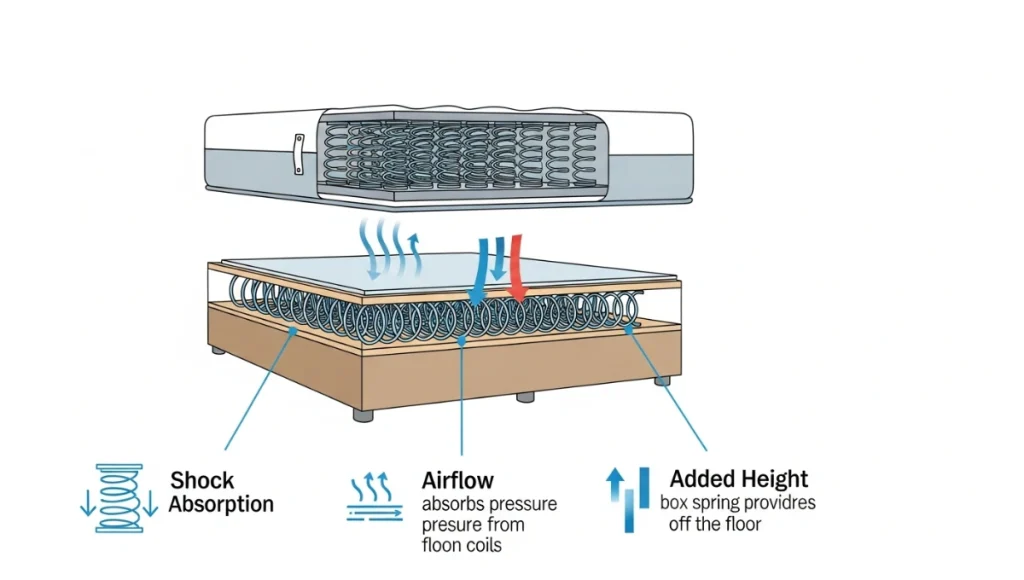
Elevating your sleeping surface allows air to move freely beneath the mattress layers. This ventilation is critical for preventing moisture accumulation and maintaining a healthy sleep environment.
Reduces Moisture and Mildew Growth
Sweat and ambient humidity can become trapped between a mattress and a solid floor. A box spring creates necessary gaps for airflow, keeping the interior of your bed dry. This simple elevation significantly lowers the risk of mold forming inside your mattress.
Enhances Hygiene and Odor Control
Better airflow inhibits the growth of bacteria and dust mites that thrive in damp conditions. A drier mattress stays fresher for longer and reduces potential allergens in your bedroom. This benefit is particularly important for individuals with respiratory sensitivities.
Increases Bed Height for Easier Access
The added vertical space from a box spring makes getting in and out of bed much more comfortable. This elevation is often essential for people with limited mobility or joint pain.
Easier Entry and Exit for Users
Sitting on a low mattress can strain your knees and hips when you stand up. A higher sleeping surface reduces this physical stress, making the transition from standing to lying down smoother. This small change greatly improves daily comfort for many sleepers.
Aesthetic and Design Balance
Traditional bedroom designs often rely on the height a box spring provides to look proportionate. A mattress sitting directly on the floor can appear awkward within a standard room layout. The extra lift helps achieve a balanced and inviting visual aesthetic.
Works with Specific Bed Frame Designs

Not every bed frame is engineered to hold a mattress without an intermediate layer. Some structures rely entirely on a box spring for stability and proper weight distribution.
Compatible with Metal Rail Frames
Many traditional metal frames feature side rails designed specifically to cradle a box spring. Placing a mattress directly on these rails offers poor support and can damage the mattress bottom. The box spring bridges the gap to create a flat, stable surface.
Prevents Frame Damage from Weight
Without a box spring, the weight of the sleeper concentrates on specific points of the frame. This uneven pressure can bend slats or break components over time. The box spring spreads the load evenly across the entire frame structure.
Alternatives to Traditional Box Springs
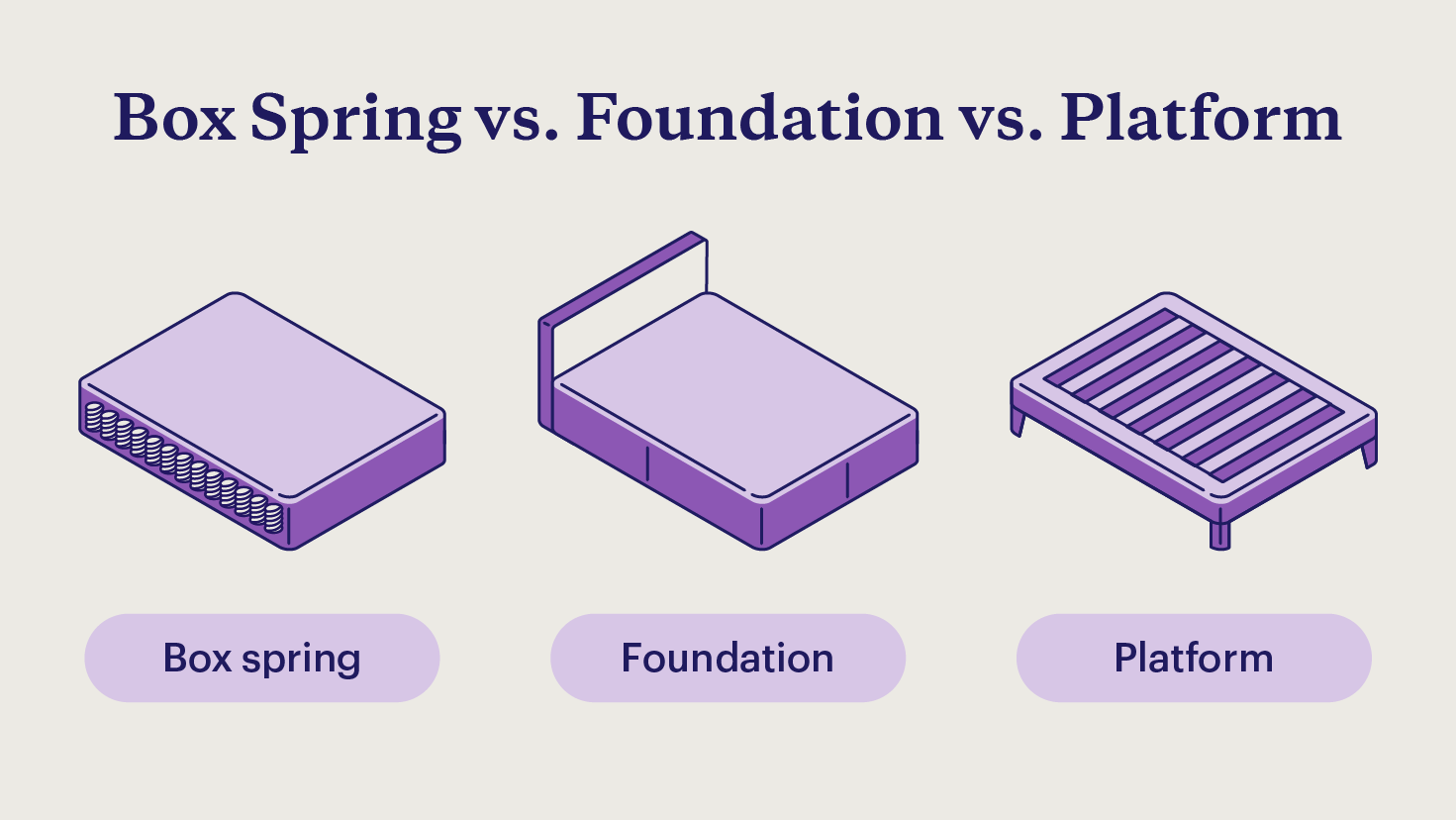
Modern bedding innovations offer several foundation options that may replace the need for a traditional box spring. Your specific mattress type often dictates which base works best.
Platform Beds with Built-In Support
Platform beds feature solid or closely spaced slats that provide ample support without extra height. These are ideal for memory foam and hybrid mattresses that require a firm, flat base. You can skip the box spring entirely with this design.
Foundation vs. Box Spring Differences
A foundation is a rigid, flat platform made of wood or particleboard, unlike the flexible, spring-filled box spring. Foundations offer unyielding support that memory foam mattresses often need to perform correctly. Choosing the wrong type can lead to discomfort or mattress damage.
Can You Use a Mattress Without a Box Spring?
Yes, provided your bed frame or base offers adequate, even support. However, skipping the box spring may alter the feel of your bed and could affect your warranty status. Always confirm compatibility with your mattress manufacturer first.
Signs You Need a Box Spring Immediately

Identifying when your current setup lacks proper support can save your mattress from premature failure. Look for these physical indicators in your daily sleep experience.
Mattress Feels Softer Than Before
If your bed feels less supportive than it used to, the foundation may be the culprit. A worn-out or missing box spring allows the mattress to sink, changing its firmness. Replacing the base can sometimes restore the original feel.
Visible Sagging or Uneven Support
Inspect your mattress for dips, particularly in the center where you sleep most often. Poor base support frequently manifests as visible sagging or uneven surfaces. Installing a proper box spring can halt or slow this decline.
Manufacturer Recommends One Explicitly
Check your mattress manual or the brand website for specific base requirements. Most companies clearly state if a box spring is mandatory for their product line. Ignoring these guidelines risks voiding your purchase protection.
When a Box Spring Is Not Necessary
Certain modern sleep setups function better without a traditional box spring. Using one in these scenarios might actually reduce comfort or damage the mattress.
Memory Foam and Latex Mattresses
These materials generally perform best on solid, non-flexible surfaces. A traditional box spring with coils may compress unevenly, causing the foam to warp. A flat foundation or platform bed is usually the recommended choice.
Adjustable Bases Replace Box Springs
Adjustable bed frames provide their own robust support and lifting mechanisms. Adding a box spring to these systems is unnecessary and can interfere with the motor functions. These bases are designed to hold the mattress directly.
Low-Profile Beds Skip the Box Spring
Contemporary minimalist designs often utilize low platforms that sit close to the ground. In these aesthetic choices, a box spring would make the bed too high and look out of place. The design itself eliminates the need for extra height.
How to Choose the Right Box Spring
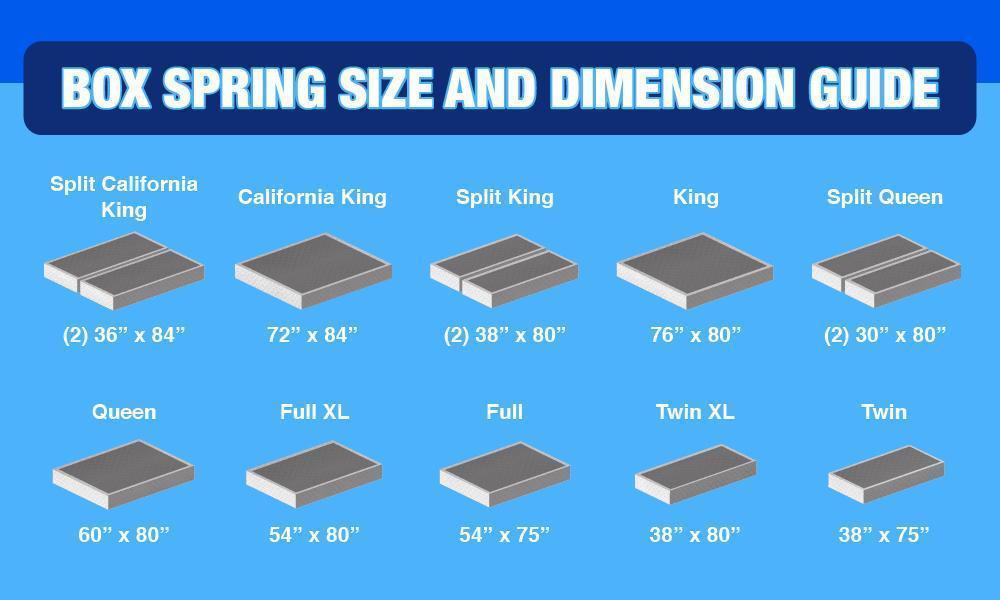
Selecting the correct box spring ensures compatibility with your existing bed and mattress. Making the right choice impacts both comfort and durability.
Match Size to Your Mattress Exactly
Ensure the box spring dimensions match your mattress size, such as twin, queen, or king. A mismatched base leads to overhang, instability, and potential safety hazards. Precision in sizing is critical for proper support.
Decide Between High and Low Profile
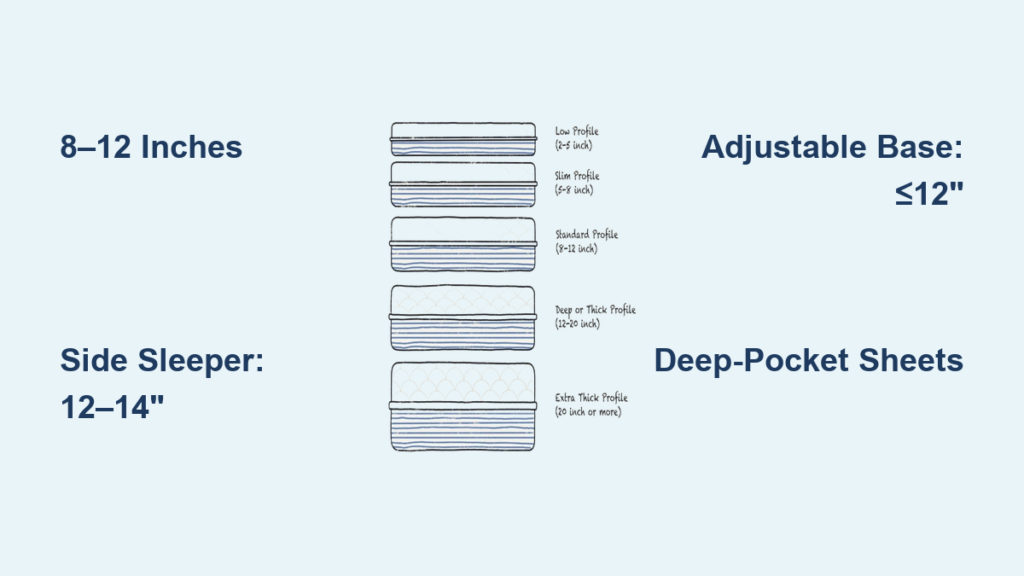
High-profile box springs add significant height, usually around nine inches, while low-profile versions are shorter. Choose based on your personal preference for bed height and the design of your bed frame. Both options provide the same structural support.
Consider a Split Box Spring for Heavy Mattresses
Split box springs come in two halves, making them easier to move through narrow doorways. This feature is particularly useful for heavy king or queen-sized mattresses. It simplifies transport and setup without sacrificing support.
Maintenance Tips for Box Springs
Proper care of your box spring ensures it continues to support your mattress effectively for years. Simple maintenance steps can extend its lifespan significantly.
Rotate Regularly for Even Wear
Rotate your box spring every six months to prevent uneven compression. Although they lack comfort layers, the internal structure can still degrade unevenly over time. This simple habit helps maintain a level sleeping surface.
Keep It Off the Floor Completely
Always place your box spring on a bed frame rather than directly on the floor. Floor contact traps moisture and invites dust, pests, and allergens into the structure. Elevation is key to maintaining hygiene and structural integrity.
Use a Protective Cover
Invest in a breathable cover to shield the box spring from spills and dust mites. This inexpensive addition protects against stains and prolongs the usability of the foundation. It is an easy way to maintain a clean sleep environment.
Frequently Asked Questions About Box Springs
Do all mattresses require a box spring?
No, not all mattresses need a box spring. Memory foam and latex models often require a solid foundation or platform bed instead. Always check your specific mattress warranty for base requirements.
How long does a typical box spring last?
A quality box spring typically lasts about ten years, similar to a mattress. However, visible sagging or noise indicates it needs replacement sooner. Regular rotation can help extend its usable life.
Can I use an old box spring with a new mattress?
Using an old box spring with a new mattress is risky if the base is worn. A damaged foundation can cause premature sagging in your new mattress and may void the warranty. Inspect the base carefully before reuse.
What is the difference between a foundation and a box spring?
A foundation is a rigid, flat platform, while a box spring contains coils for flexibility. Foundations are better for foam mattresses, whereas box springs suit traditional innerspring models. Choosing the wrong one affects comfort and durability.
Does skipping a box spring void my warranty?
It might, depending on the manufacturer’s specific terms. Many warranties require a specific type of support system to remain valid. Failing to use the required base can result in denied claims for sagging or damage.
Key Takeaways for Understanding the Purpose of a Box Spring
The purpose of a box spring extends far beyond simple elevation; it is a critical component for mattress longevity, hygiene, and comfort. By absorbing shock, improving airflow, and ensuring proper height, it protects your investment and enhances your sleep quality.
Evaluate your current bed setup against your mattress type and frame requirements today. If you discover you need a new base, select one that matches your specific needs to ensure years of restful sleep.