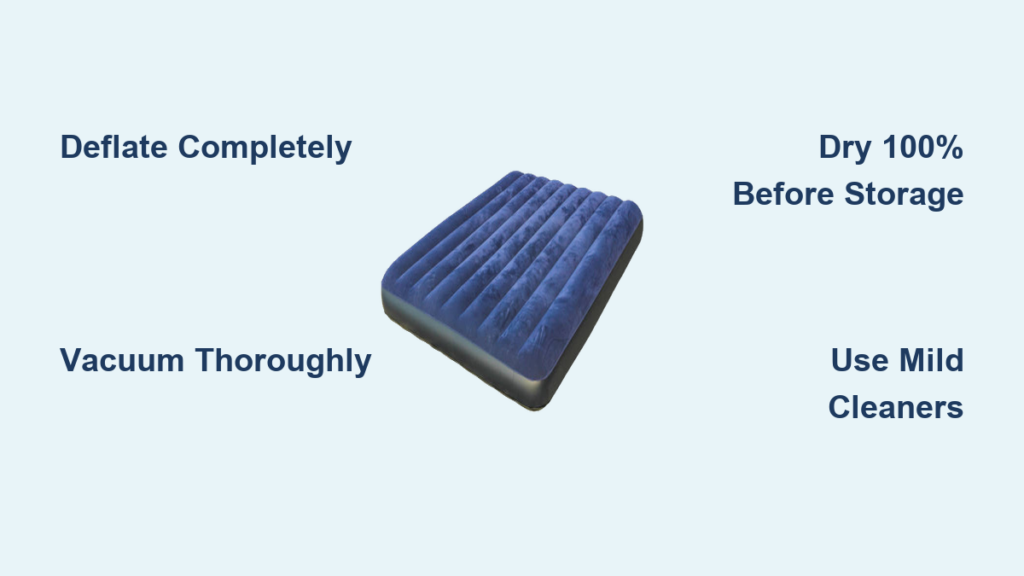
If you’ve ever unrolled an air mattress only to catch a whiff of musty odor or spot mysterious stains, you know how quickly comfort can turn into concern. Air mattresses are convenient for guests, camping trips, or even temporary sleeping solutions at home, but like any bedding, they need proper care. Learning how to clean an air mattress correctly is essential for maintaining hygiene, preventing mold, and extending its lifespan.
Over time, sweat, skin cells, dust mites, and spills accumulate on the surface, especially on flocked (textured) tops that absorb moisture and oils. Without regular cleaning, these contaminants can lead to unpleasant smells, allergens, and even permanent damage. This guide walks you through every step, from deflating and spot-cleaning to drying and storing safely.
Deflate and Prepare the Air Mattress
Before cleaning, you need to properly prepare your air mattress for safe and effective treatment.
Open the Valve and Fully Deflate
Start by opening the air valve and letting all the air escape completely. If your model has a built-in electric pump, use the deflate function until the mattress is flat. Avoid forcing or folding the mattress while air remains inside, as this can strain seams and damage internal layers.
Once fully deflated, close the valve to prevent dirt or liquid from entering during cleaning.
Remove All Bedding Immediately
Strip off sheets, blankets, and mattress protectors. Wash these items in hot water with detergent to kill bacteria, dust mites, and odor-causing microbes. This step ensures you’re not re-contaminating the mattress after cleaning.
Shake Off Loose Debris
Lift the deflated mattress and give it a firm shake outdoors or over a trash can. This removes surface-level dust, hair, sand, and crumbs, which is especially important if the mattress was used outdoors or on carpeted floors.
Vacuum Every Surface Thoroughly
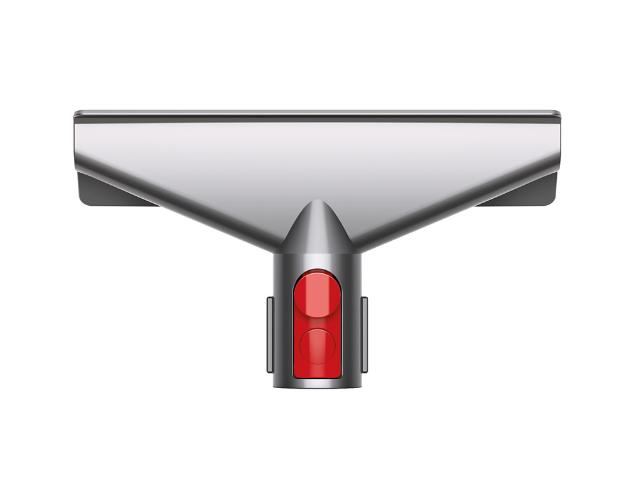
Suction removes embedded particles that wiping alone cannot reach.
Use Upholstery Attachment for Best Results
Attach a soft brush or upholstery tool to your vacuum cleaner. Begin at the top and work downward, covering the entire surface, including sides and the bottom. Focus on seams, corners, and flocked areas where lint and skin flakes collect.
These spots are breeding grounds for dust mites and mildew if left uncleaned.
Don’t Skip Textured or Flocked Surfaces
Flocked surfaces (those soft, velvety coatings) trap more grime than smooth vinyl. Move the vacuum slowly in overlapping strokes to lift out deep-seated dirt without damaging the material. A handheld vacuum works for small models, but a full-size unit provides stronger suction for thorough cleaning.
Spot Clean Stains and Soiled Areas
Target visible marks before wiping down the whole surface.
Mix a Mild Detergent Solution Safely
Combine a few drops of mild liquid dish soap with warm water. Dip a microfiber cloth or sponge into the mix, then wring it out until damp, not dripping. Excess moisture is the enemy because too much water can seep into seams and cause mold later.
Clean Stains in Circular Motions
Gently rub stained areas using small circular motions. For flocked tops, work from the outer edge of the stain toward the center to prevent spreading. On smooth PVC or rubber surfaces, you can apply slightly more pressure because these materials handle scrubbing better.
Treat Mold and Mildew Immediately
If you see black, green, or gray spots with a musty smell, it’s mold or mildew. Act fast by spraying or dabbing a 50/50 mix of white vinegar and water onto affected areas. Let it sit for 10 to 15 minutes, then wipe clean with a damp cloth.
For mildew only, isopropyl alcohol (70%) applied sparingly kills surface spores. Always test first on a hidden area.
Never use bleach because it weakens PVC and rubber over time, leading to cracks and leaks.
Test Cleaners on Hidden Spots First
Always check for discoloration or material damage by applying any solution to a small, inconspicuous area, like near the valve. Wait 5 minutes and inspect. If there’s no change, proceed with cleaning.
Deodorize With Baking Soda

Baking soda eliminates lingering odors from sweat, pets, or storage.
Sprinkle Generously Over Entire Surface
Pour baking soda evenly across the mattress. Focus extra on areas where body contact occurs, like the head, shoulders, and feet areas. Baking soda absorbs moisture and neutralizes acidic compounds responsible for bad smells.
Let It Sit According to Odor Strength
For light odors, wait 3 to 5 minutes. For strong smells (like after camping or pet use), leave the baking soda for 30 to 60 minutes or even several hours in a dry room.
Do not apply baking soda if the mattress is damp because this creates a paste that’s hard to remove and may encourage mold.
Vacuum All Residue Completely
Use the vacuum again to remove every trace of powder. Leftover baking soda can attract dirt when the mattress is reused.
Wipe Down the Entire Mattress
This step ensures uniform cleanliness after spot treatments.
Use Damp Cloth With Soap Solution
Wipe the full surface with your soapy microfiber cloth. Cover the top, sides, and bottom to prevent grime buildup in overlooked zones. This step removes invisible residues and preps the surface for rinsing.
Rinse With Clean Water Only
Take a second cloth dampened with plain water (no soap) and go over the entire mattress again. This removes detergent left behind, which can cause skin irritation or attract dust.
Dry Completely Before Storage
Incomplete drying is the number one cause of mold in stored air mattresses.
Air Dry in Sunlight If Possible
Place the mattress outdoors in direct sun on a dry day. UV rays naturally disinfect and speed evaporation. Position it flat or slightly angled for airflow. Avoid leaving it too long in intense heat because prolonged sun exposure can degrade PVC.
Use Fan or Dehumidifier Indoors
If drying inside, set up a box fan or ceiling fan to blow across the surface. Pair with a dehumidifier to lower ambient humidity, especially in basements or humid climates.
Speed Up Drying With Cool Hairdryer
For stubborn damp spots near valves or folds, use a hairdryer on the cool (no heat) setting. Move continuously to avoid overheating plastic. Never use space heaters or radiators because high heat warps seams and weakens materials.
Confirm 100% Dryness Before Folding
Check seams, valve areas, and internal folds by touch. The surface should feel completely dry, not cool or slightly damp. Drying typically takes 4 to 12 hours depending on thickness and environment.
Prevent Mold and Musty Smells
Stop microbial growth before it starts.
Never Store Damp or Warm
Even slight moisture inside the material can lead to mold within days. Always dry fully and cool completely before packing away.
Store in Low-Humidity Environment
Choose a closet, shelf, or storage bin in a climate-controlled space. Avoid garages, attics, or basements unless they’re dry and ventilated.
Add Moisture Absorbers Nearby
Place silica gel packs, charcoal bags, or reusable desiccants in the storage area to pull excess humidity from the air.
Use Breathable Storage Bag
Opt for a cotton duffel, mesh sack, or the original box. Avoid sealing the mattress in plastic because this traps moisture and encourages mildew.
Protect With Cover and Smart Habits
Shield your mattress from future damage.
Use Waterproof Mattress Protector
A zip-on cover blocks spills, sweat, pet accidents, and abrasion. It’s easier to wash than the mattress itself and adds a cushioned layer for comfort. This is ideal for kids’ rooms, guest beds, or frequent use.
Avoid Sharp Objects at All Times
Keep pets, high heels, toys, and sharp tools away from the surface. Even small punctures can lead to slow leaks and eventual failure.
Sweep Floor Before Setup
Clear the area of pebbles, pet nails, or debris that could scratch or pierce the bottom.
Limit Electric Pump Use
Run built-in pumps no longer than 5 minutes continuously unless designed for extended use (like Bestway AlwayzAire). Overheating damages motors. Never expose pumps to water because this creates electrical hazards and voids warranties.
Know Your Material Type
Cleaning methods vary by construction.
PVC (Polyvinyl Chloride)
Most common material. Durable and water-resistant, but sensitive to UV and harsh chemicals. Clean with mild soap and avoid prolonged sun exposure.
Polyurethane (PU)
Softer feel than PVC. More flexible but less resistant to abrasion. Use gentle cleaners and dry quickly to prevent breakdown.
Flocked Surfaces (Velour/Velvet)
Textured tops absorb liquids and stains easily. Blot spills immediately and clean with low-moisture methods. Never soak flocked surfaces.
Rubber Valves and Seals
Found in some models. Resistant to mild cleaners but degrade with petroleum-based solvents or acetone.
Always consult the manufacturer’s label for care instructions specific to your model.
Upgrade to Antimicrobial Models
Choose smarter long-term options.
Look for Ultra-Fresh Technology
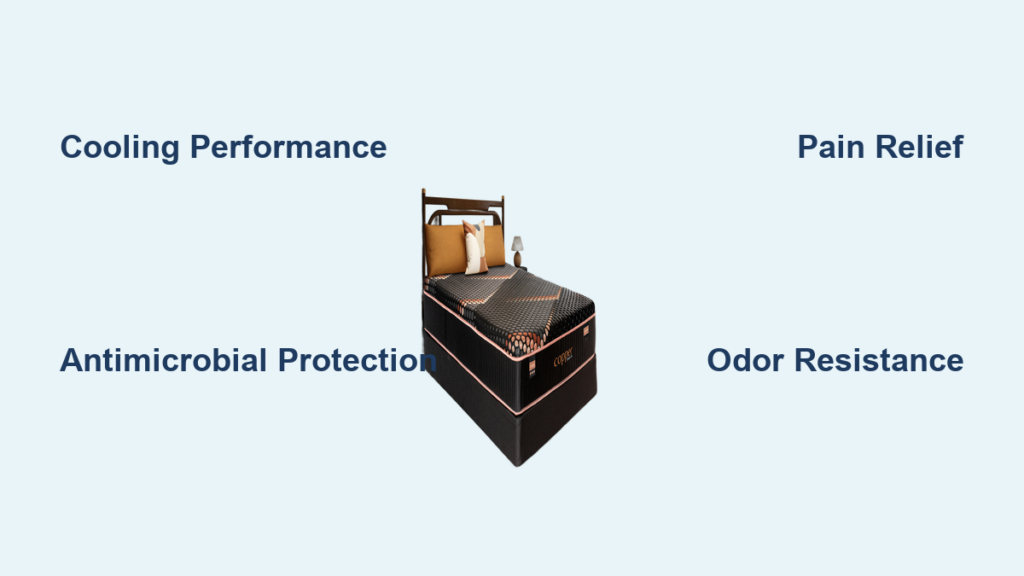
Brands like Coleman Aerobed, Sea to Summit, and Bestway Tritech use Ultra-Fresh, an antimicrobial additive embedded in materials during production. It inhibits mold, mildew, bacteria, and dust mites.
Lab tests (ASTM G21) show treated materials remain mold-free after 28 days of incubation, while untreated ones develop heavy growth.
Benefits of Antimicrobial Protection
These models reduce cleaning frequency, prevent odors before they start, extend mattress life, and are ideal for humid environments or shared use. They cost slightly more but pay off in durability and hygiene.
Avoid These Common Mistakes
Steer clear of actions that ruin air mattresses.
Never Machine Wash or Submerge
Putting an air mattress in a washing machine or filling a tub with water leads to irreversible damage. Water infiltrates seams, disables valves, and ruins internal layers.
Don’t Use Bleach or Ammonia
These chemicals break down plastic polymers and weaken adhesives. Over time, they cause cracks, leaks, and delamination.
Skip Abrasive Tools
Steel wool, scrubbing pads, or stiff brushes scratch surfaces and wear away flocked coatings. Stick to soft cloths and sponges.
No High Heat Drying
Ovens, hairdryers on hot setting, or radiators warp PVC and melt seals. Always use cool air or ambient drying.
Never Store While Folded and Warm
Heat expands materials, and folding while warm creates stress points that weaken over time. Let the mattress cool to room temperature first.
Essential Cleaning Supplies Checklist
Have these items ready before starting your cleaning session.
- Mild liquid dish soap for gentle cleaning without damage
- White vinegar as a natural disinfectant and mold killer
- Baking soda for odor neutralization and deep deodorizing
- Isopropyl alcohol (70%) to spot-treat mildew safely
- Microfiber cloths for lint-free wiping and drying
- Soft sponge for non-abrasive stain removal
- Vacuum with brush tool for deep debris extraction
- Cool-setting hairdryer for fast, safe drying
- Dehumidifier to control indoor moisture
- Protective cover to prevent future stains
Keep this kit together for quick access before and after each use.
Frequently Asked Questions About Cleaning Air Mattresses
How often should I clean my air mattress?
Clean your air mattress every 3 to 4 months for frequent use (like as a primary bed). For occasional use (guests or camping), clean after each use or at least once per season. Always clean after spills, pet use, or outdoor exposure before storing.
Can I use bleach to clean my air mattress?
No, never use bleach. Bleach breaks down PVC and rubber polymers over time, causing cracks, leaks, and material degradation. Use mild dish soap, white vinegar, or isopropyl alcohol instead.
How do I remove mold from my air mattress?
Mix equal parts white vinegar and water. Spray or dab onto mold spots and let sit for 10 to 15 minutes. Wipe clean with a damp cloth, then dry thoroughly. For mildew only, use isopropyl alcohol (70%) applied sparingly.
Why does my air mattress smell musty?
Musty smells come from moisture trapped in the material, mold growth, or accumulated sweat and body oils. Clean with baking soda to neutralize odors, and ensure the mattress is completely dry before storage.
Can I store my air mattress in a plastic bag?
Avoid sealing the mattress in plastic bags or containers that trap moisture. Use a breathable storage bag like a cotton duffel or mesh sack. Add silica gel packs or charcoal bags nearby to absorb excess humidity.
How do I dry my air mattress quickly?
Place the mattress in direct sunlight outdoors, or use a fan and dehumidifier indoors. For stubborn damp spots, use a hairdryer on the cool setting. Never use high heat. Ensure the mattress is 100% dry before storing.
Key Takeaways for Maintaining a Clean Air Mattress
Cleaning an air mattress isn’t complicated, but doing it right makes all the difference. The most critical steps are thoroughly drying the mattress before storage (this prevents mold), using gentle cleaning solutions like mild soap or vinegar (harsh chemicals damage the material), and vacuuming before any wet cleaning (this removes abrasive debris that could scratch surfaces).
For long-term maintenance, invest in a waterproof mattress protector to shield against spills and sweat, store the mattress in a cool, dry, breathable environment, and consider upgrading to models with antimicrobial technology like Ultra-Fresh if you live in humid climates or use the mattress frequently.
With consistent care following this routine of deflate, vacuum, spot clean, deodorize, dry, and protect, your air mattress can stay fresh, hygienic, and functional for years. Whether used weekly for guests or seasonally for camping, a simple maintenance routine keeps it ready for restful sleep anytime.