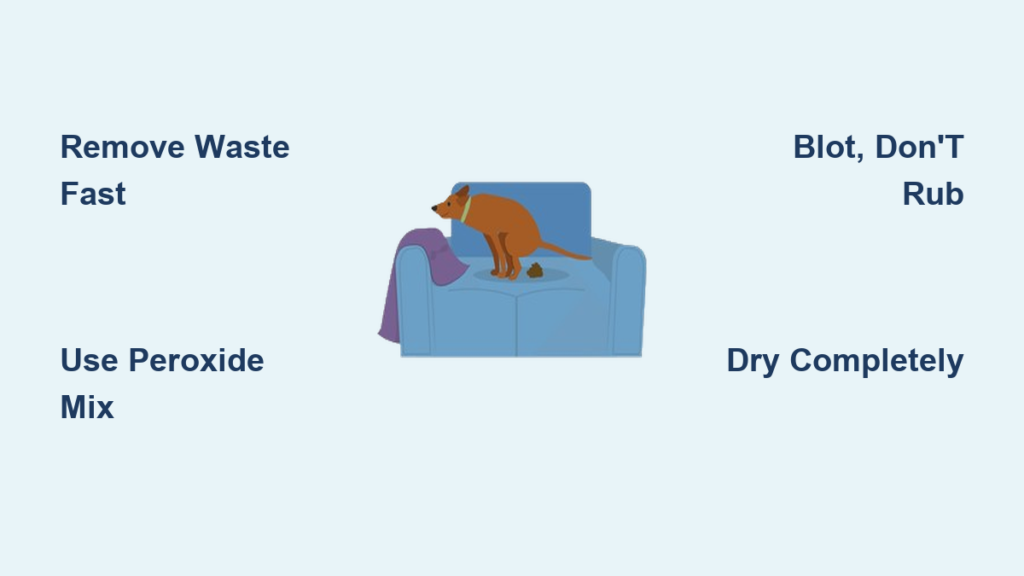
Finding dog poop on your mattress is one of the most frustrating cleaning emergencies a pet owner can face. The mess feels overwhelming, the odor seems impossible to eliminate, and you might wonder if the mattress is ruined forever. The good news is that you can completely restore your mattress with the right approach and household products. This guide walks you through every step, from immediate cleanup to final disinfection, using proven methods that actually work.
Acting fast is essential because fecal matter contains harmful bacteria like E. coli and Salmonella that penetrate deeper into mattress layers the longer they sit. Whether you are dealing with a fresh accident or a dried, set-in stain, this article gives you the exact process to remove all traces of waste, eliminate odors, and sanitize the surface so you can sleep safely again.
Remove Solid Waste Immediately
The first critical step is getting the solid waste off your mattress as quickly as possible to prevent deep contamination.
Scoop All Visible Poop
Wear disposable gloves and use paper towels or a plastic bag to lift all visible solid material. Gently press and lift without rubbing to avoid pushing bacteria deeper into the fabric or foam. Seal the waste in a plastic bag and dispose of it in an outdoor trash can.
For stuck-on residue that clings to fabric fibers, place a clean, damp cloth over the area and let it sit for a few minutes to soften the mess before blotting again.
Check for Removable Covers
If your mattress has a removable cover, check the care label for washing instructions. If it is machine washable, remove it and launder in hot water with a heavy-duty detergent or enzyme cleaner designed for pet messes.
Assess Stain Severity and Mattress Type

Before applying any cleaning products, evaluate the damage to choose the right approach.
Fresh vs. Dried Stains
Fresh stains respond well to treatment within the first few hours. Dried stains require more effort and may need multiple cleaning rounds to fully lift. Press a dry paper towel around and under the stained area. If moisture transfers to the towel, the mess has soaked deep into the layers, which is common in memory foam and pillow-top mattresses.
Know Your Mattress Material
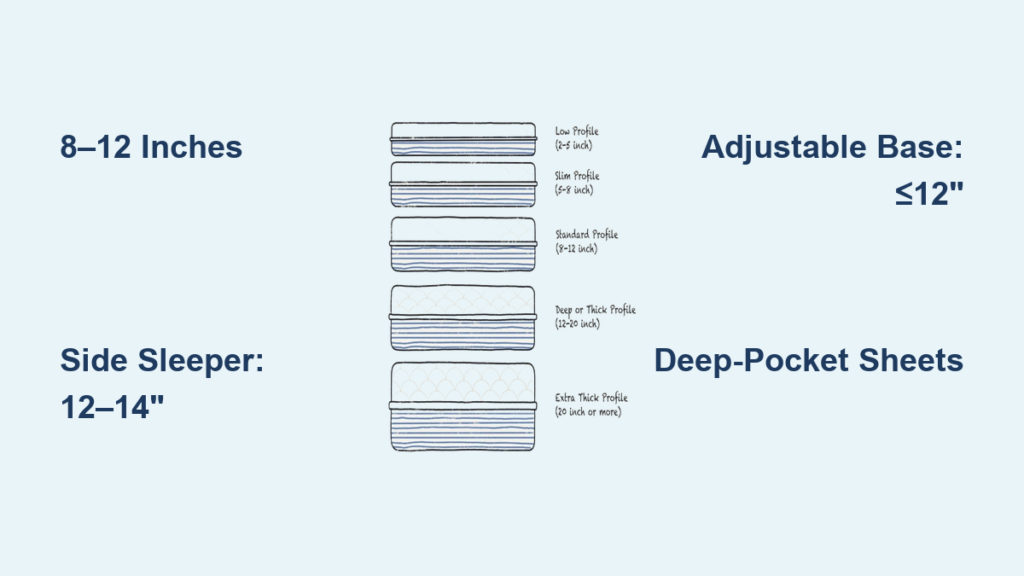
Memory foam is highly absorbent, so avoid over-wetting the surface. Innerspring mattresses with fabric covers tolerate surface cleaning but should not be soaked. Latex mattresses are sensitive to harsh chemicals, so stick to mild solutions. If your mattress contains fiberglass layers, do not puncture or aggressively scrub the surface, as disturbing the insulation creates a serious health hazard.
Always patch test any cleaner on a hidden corner of the mattress before applying it to the stained area.
Use the Best Cleaning Solution
Testing shows that a simple homemade mixture outperforms most store-bought cleaners for removing fecal stains and killing bacteria.
Hydrogen Peroxide, Baking Soda, and Dish Soap Recipe
Combine 8 ounces (240 ml) of 3% hydrogen peroxide, 2 tablespoons of baking soda, and 1 to 2 drops of liquid dish soap (like Dawn) in a spray bottle. Remove the spray nozzle filter before attaching it, because baking soda particles can clog it. Spray the stained area until damp but not soaked. Let the solution bubble for 10 to 30 minutes, then blot with a clean cloth until dry.
This combination works because hydrogen peroxide disinfects and breaks down organic matter, baking soda lifts stains and neutralizes odors, and dish soap cuts through the grease content in feces. The mixture is safe for most mattress types, including memory foam. Make a fresh batch each time rather than storing the mixed solution.
Alternative Cleaners That Work
When the hydrogen peroxide mixture is not available, these alternatives can handle the job.
Enzyme Cleaners
Products like Nature’s Miracle or Biokleen Bac-Out target organic matter at the molecular level. Spray generously, wait 5 to 10 minutes, then blot. Repeat if needed. Enzyme cleaners excel at odor control but are less effective alone on stubborn stains, so use them after the peroxide treatment for complete results.
Vanish Oxi Action Products
For the spray version, apply to the stain, wait 5 minutes, then blot. For the shampoo version, mix 1 part shampoo with 9 parts water, whip into foam, apply with a sponge, and blot every 5 minutes. Both versions work well on deep fabric stains and set-in messes.
Cold Vinegar Solution
Mix 1 part white vinegar with 3 parts cold water. Mist lightly over the area after cleaning and let air dry. Vinegar neutralizes alkaline odors and provides mild disinfection. Never mix vinegar with hydrogen peroxide or bleach.
Cleaners to Avoid
Some popular cleaning hacks either do not work or create dangerous situations.
OxiClean Powder
OxiClean leaves a brown residue on mattresses that is harder to remove than the original stain. It works well for laundry but not for upholstery.
Ammonia
Ammonia is ineffective on fecal stains and releases dangerous fumes. It can also set protein-based stains, making them permanent.
Bleach
Only use bleach on white, bleach-safe fabrics. It damages colored mattress fibers, causes yellowing, and weakens the material over time. Never mix bleach with ammonia or vinegar, because this creates toxic chlorine gas.
Hot Vinegar
Hot vinegar is less effective than cold and may actually set certain stains. Always use cool or cold solutions.
Step-by-Step Cleaning Process
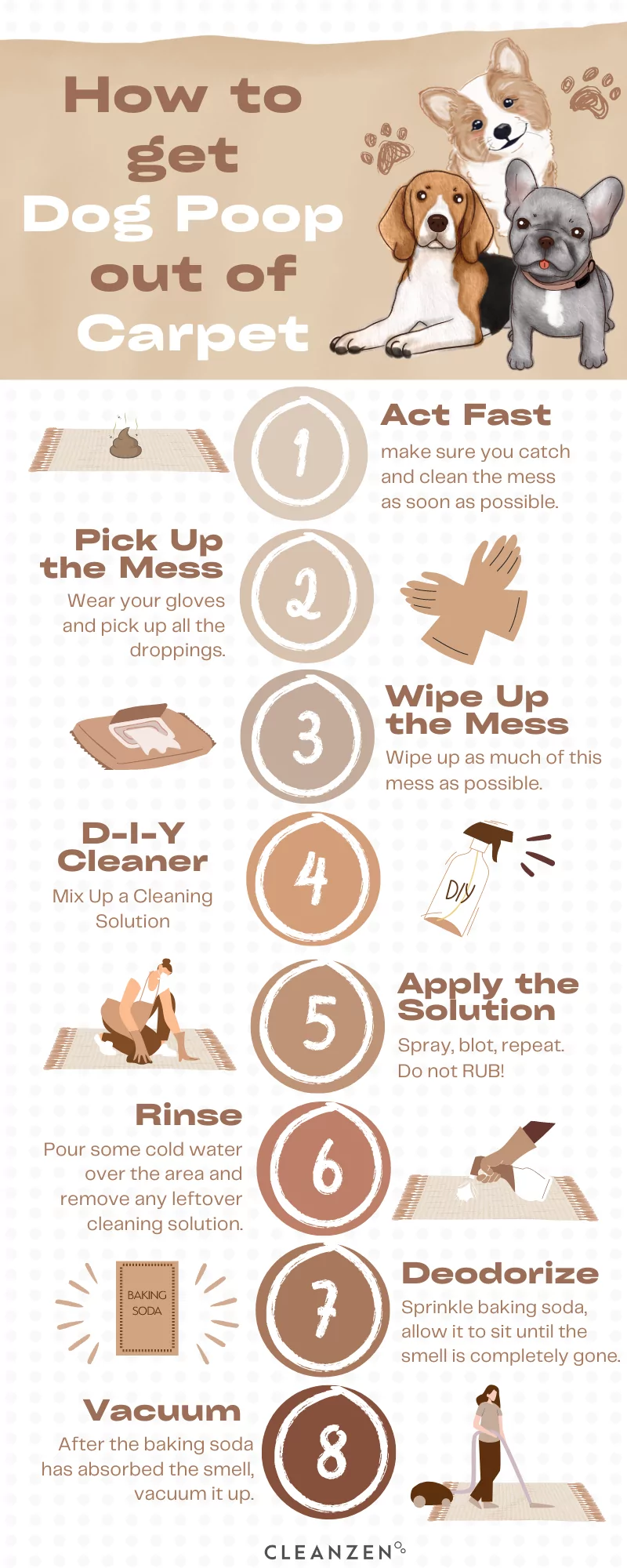
Follow these 12 steps for complete, safe cleanup.
1. Strip All Bedding
Remove sheets, blankets, mattress protectors, and pillowcases. Pre-treat stained bedding with enzyme cleaner, then wash in the hottest water safe for the fabric with a sanitizing booster.
2. Remove Mattress Cover If Washable
Check the care tag. Launder in hot water and dry fully before reattaching.
3. Pre-Treat the Stain
Apply the hydrogen peroxide mixture or enzyme cleaner. Let sit for 10 to 30 minutes.
4. Blot From the Edges Inward
Use clean cloths or paper towels. Press from the outer edge toward the center to contain the stain. Replace towels as they become soiled.
5. Repeat Until Clean
Reapply cleaner and blot repeatedly until no more residue transfers to the towels.
6. Rinse the Area
Dampen a cloth with plain water and dab to remove cleaning solution residue. Blot thoroughly to extract moisture.
7. Deodorize With Baking Soda
Sprinkle baking soda liberally over the entire affected area. For extra power, add 5 to 10 drops of tea tree oil or lemon oil. Let sit for 6 to 24 hours, with overnight being ideal.
8. Vacuum Thoroughly
Use an upholstery attachment to remove all powder. Do not skip this step.
9. Light Vinegar Mist (Optional)
Spray a 1:3 vinegar-water mixture to neutralize lingering odor. Let air dry completely.
10. Final Disinfection
Once the mattress is dry, spray with equal parts isopropyl alcohol and water to kill any remaining germs. Patch test first to avoid discoloration.
11. Dry Completely
Wait 12 to 24 hours before remaking the bed. Speed drying with fans, open windows, a dehumidifier, or direct sunlight. Never sleep on a damp mattress, because trapped moisture breeds mold and mildew.
12. Prevent Future Accidents
Use a waterproof mattress protector that fully encases the mattress with a zipper. Add a puppy pad or incontinence liner underneath for high-risk pets. Wash the protector after every incident.
Eliminate Lingering Odors
Stains may be gone, but smells can linger if not properly addressed.
Baking Soda as an Odor Absorber
Leave baking soda on the area for at least 8 hours. For strong odors, reapply and wait another 12 hours.
Vinegar Mist for pH Neutralization
Spray lightly after the baking soda step. The vinegar smell disappears completely as it dries.
Essential Oils for Freshness
Add a few drops of tea tree oil, lemon oil, or eucalyptus oil to the baking soda or vinegar solution. These oils provide natural antimicrobial properties and a fresh scent. Use sparingly, because too much can stain fabric.
When to Replace the Mattress
Some damage cannot be fixed. Replace the mattress if you notice deep, unremovable stains that ooze or smell when pressed, persistent foul odor after multiple cleanings, visible mold or mildew (black, green, or fuzzy spots), damaged internal layers or fiberglass particles, or if the mattress is older than 7 to 10 years.
If anyone in the household has allergies, asthma, or a weak immune system, replacement is the safest choice.
Stay Safe During Cleanup
Protect yourself and your family throughout the cleaning process.
Wear Protective Gear
Always wear disposable gloves. Use a mask and goggles if handling large amounts or working in poorly ventilated areas.
Ventilate the Room
Open windows and use fans, especially when using vinegar, alcohol, or any strong cleaners.
Keep Kids and Pets Away
Block access to the bed until the mattress is fully dry and residue-free. Store all cleaners out of reach of children and pets.
Prevent Future Messes
A waterproof mattress protector is your best defense against future accidents. Choose a full-encasement cover that zips around the entire mattress, with machine-washable fabric, quiet material, and breathable but impermeable layers. Add a puppy pad or incontinence sheet under the fitted sheet for extra protection with pets prone to accidents.
Clean spills immediately, and vacuum and rotate the mattress every 3 to 6 months to maintain its condition.
Key Takeaways for Cleaning Dog Poop from Your Mattress
Acting fast is the most important factor in successfully cleaning dog poop from a mattress. The hydrogen peroxide, baking soda, and dish soap mixture is the most effective solution for removing stains and killing bacteria. Always blot rather than rub, deodorize with baking soda overnight, and ensure the mattress is completely dry before using it again. If odors persist or stains are deeply embedded despite your best efforts, replacing the mattress is the healthier choice.
Frequently Asked Questions About Cleaning Dog Poop from Mattresses
How do you get dried dog poop stains out of a mattress?
Dried stains require pre-treatment with the hydrogen peroxide mixture or an enzyme cleaner. Let the solution sit for 20 to 30 minutes to soften the stain, then blot repeatedly. You may need to repeat the process several times for set-in stains.
Does hydrogen peroxide damage mattress fabric?
Hydrogen peroxide is generally safe for most mattress fabrics when used correctly. Always patch test on a hidden area first, and never use concentrations higher than 3%. Avoid leaving it on too long or allowing the fabric to dry while still wet.
How long does it take for a mattress to dry after cleaning?
A mattress typically needs 12 to 24 hours to dry completely after cleaning. Use fans, open windows, a dehumidifier, or direct sunlight to speed up the process. Never use the mattress while it is still damp.
Can I use a steam cleaner on a mattress with fecal matter?
Steam cleaning is not recommended for fecal contamination. The heat can set the stain and odor into the fibers, making removal more difficult. Stick to the hydrogen peroxide method or enzyme cleaners instead.
Why does my mattress still smell after cleaning?
Residual odor usually means the cleaning solution did not reach deep enough layers, or the mattress was not fully dry before covering it. Reapply baking soda and let it sit overnight, then vacuum thoroughly. Ensure the mattress is completely dry before putting sheets back on.
Should I throw away my mattress if my dog pooped on it?
Not necessarily. Most mattresses can be saved with proper cleaning. Only replace if the stain has penetrated deep layers, the odor persists after multiple thorough cleanings, or you notice mold growth.