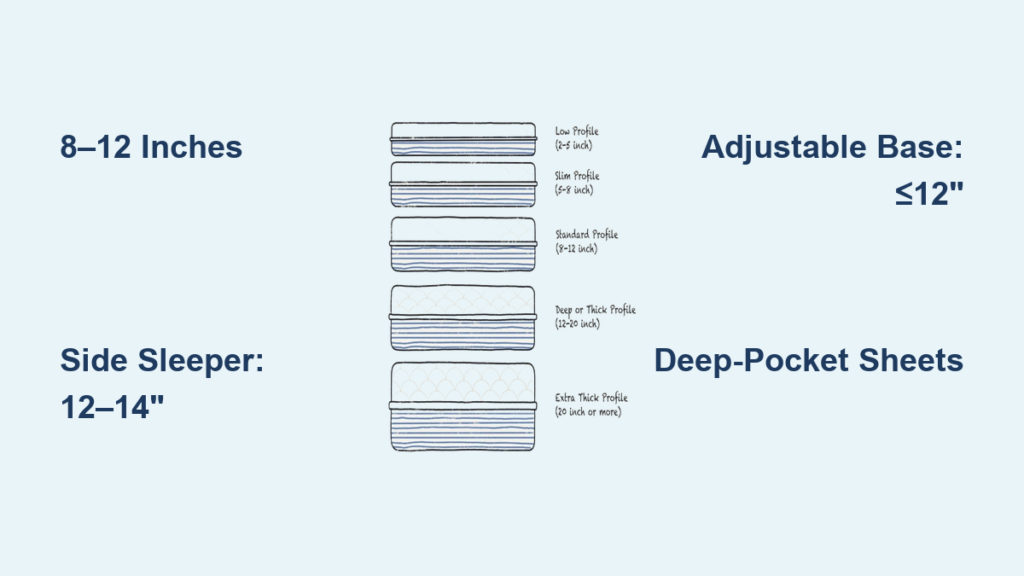
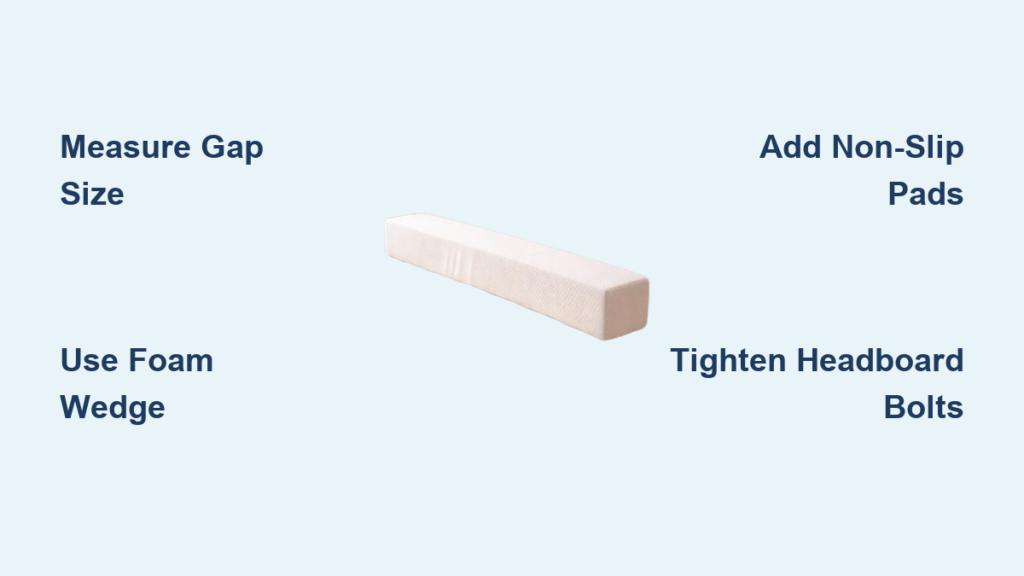
Waking up to find your phone, remote, or reading glasses lodged between the mattress and headboard is frustratingly common. This space, typically ranging from 1 to 8 inches, forms due to size mismatches, mattress shifting, loose frames, or natural settling over time. Left unaddressed, the gap can widen, compromise your sleep surface stability, and even contribute to back discomfort from uneven support. This guide walks you through diagnosing the cause, choosing the right solution for your bed type, and applying fixes that keep your mattress flush against the headboard for good.
Identify Why the Gap Exists
Before choosing a fix, understanding the root cause ensures your solution lasts. Gaps stem from different issues, and a one-size-fits-all approach often fails.
Size Mismatch or Misalignment
If your mattress is smaller than the headboard frame, a gap is inevitable. Measure both pieces: even a 2 to 3 inch difference creates noticeable space. This mismatch commonly occurs when mixing brands or upgrading bed components separately.
Mattress Shifting During Sleep
Even properly sized mattresses can creep forward due to movement at night, especially on smooth metal frames with low friction. If the gap appears only after sleeping, shifting is likely the culprit. Test by pushing the mattress back and checking alignment in the morning.
Loose or Wobbly Headboard
A headboard that wiggles or pulls away from the wall may not be securely fastened to the bed frame. Loose bolts, worn brackets, or stripped screws allow the entire structure to drift, creating uneven pressure and gaps at the top.
Frame or Support Wear
Over time, bed slats crack, joints loosen, or legs settle unevenly. Sagging in the center or head-end reduces support and encourages the mattress to slide. Inspect for creaking, visible warping, or bent rails, especially in older or frequently moved beds.
Adjustable Base Misalignment
Adjustable beds often leave gaps because their articulating mechanisms require clearance from traditional headboards. If your bed moves independently, the headboard may not track with the mattress during elevation, leaving a persistent opening.
Use a Mattress Gap Filler Wedge

The fastest, most effective fix for most users is a bed wedge pillow designed specifically to fill mattress-headboard gaps. These foam inserts slide snugly into the space and stay in place during use.
Choose the Right Gap Filler Size
Match the wedge length to your mattress width. Twin is 39 inches, Full is 54 inches, Queen is 60 inches, and King is 76 to 78 inches. Ensure the wedge height, typically 6 to 9 inches, fits under your bedding without bulging. Most models fill gaps from 0 to 8 inches, compressing slightly to fit tighter spaces.
Top-Rated Gap Filler Features
Look for these qualities when shopping:
- High-density foam rated 25D to 45D for durability that resists flattening
- Removable, washable cover with hypoallergenic fabric
- Anti-slip bottom with silicone grip dots that prevent sliding
- Side storage pockets for holding remotes, glasses, and phones
- OEKO-TEX or CERTIPUR-US certification ensuring safe, non-toxic materials
Install the Wedge Properly
Clear bedding and push the mattress flush against the headboard. Slide the wedge into the gap from the top. Fluff and reposition to ensure full contact. Remake the bed, tucking sheets tightly over the wedge.
Pro Tip: For adjustable beds, choose a foldable wedge that compresses during movement without dislodging.
Close Gaps on Split or Adjustable Beds
If you own a split king or adjustable base, standard wedges may not suffice. These beds need solutions that accommodate motion and dual-mattress setups.
Install a Split King Gap Filler
A bed bridge or twin-to-king converter connects two separate mattresses into a continuous surface while closing both the center and headboard gaps. Recommended models include the Vekkia 2-in-1 Split King Filler with built-in fitted sheet, the Briliantwerk Twin to King Converter that installs in under 5 minutes, and the ENITYA 75-inch by 10-inch Filler with removable cover.
Use Under-Mattress Bed Bridges
Some models connect underneath the mattress via straps or clips, remaining invisible when made. These are perfect for adjustable bases since they move with the bed and prevent sliding without adding bulk at the headboard.
Key Benefit: No foam bump at the headboard means a clean look with full articulation.
Try Budget DIY Fixes
If you need a quick, low-cost solution or want to test before buying, common household items work surprisingly well.
Roll a Towel or Blanket
Tightly roll a bath towel or small blanket and jam it into the gap. It is instantly effective but may shift overnight. This works best for temporary use or guest beds.
Cut a Pool Noodle to Size
A foam pool noodle is lightweight, compressible, and easy to customize. Measure the gap length, cut the noodle with a utility knife, insert it vertically between mattress and headboard, and wrap in fabric for a cleaner look.
Bonus: Paint or cover the pool noodle to match your decor.
Use a Firm Body Pillow
Place a long body pillow upright in the gap. It doubles as lumbar support when sitting up in bed and prevents item loss. Choose one with a non-slip cover for better stability.
Apply Non-Slip Pads
Stick rug grippers or adhesive grip pads under the front corners of the mattress. These increase friction on smooth frames and help keep the mattress from sliding forward.
Pro Tip: Use full-length non-slip sheets under the mattress for even better grip.
Secure the Mattress and Frame
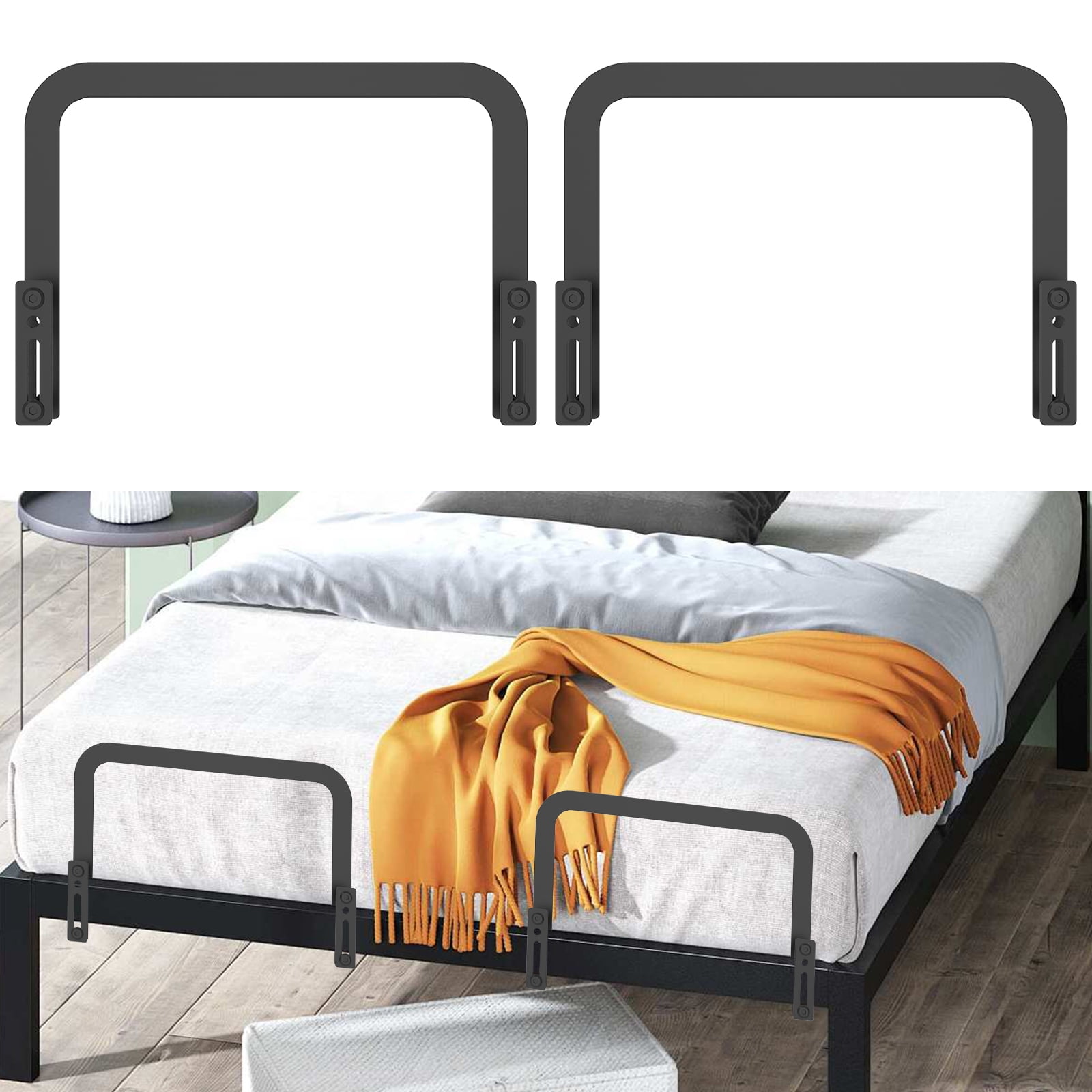
For recurring gaps caused by movement or instability, structural fixes deliver lasting results.
Tighten Headboard Bolts
Loose connections are a leading cause of gaps. Use a wrench or Allen key to re-tighten all bolts where the headboard meets the frame. Replace stripped screws with slightly larger ones and apply thread-locking compound to prevent future loosening. Check every 3 to 6 months, especially if the bed squeaks or shifts.
Reinforce Weak Bed Slats
Cracked or widely spaced slats allow the mattress to sag and shift. Add support by installing extra wooden slats every 2 to 3 inches. Lay a half-inch plywood sheet over the frame for full surface support, focusing reinforcement on the center where most weight rests.
Install a Mattress Retainer Bar
A retainer bar sits under the mattress at the head, acting as a hidden barrier that stops forward movement. Ideal for platform or adjustable beds lacking retention systems. Choose an adjustable-width metal or plastic bar and tuck it out of sight once the bed is made.
Use Mattress Straps or Anchors
Secure the mattress directly to the frame or headboard using straps with clips that wrap around the mattress, corner anchors that lock the mattress in place, or under-bed anchors that fasten from beneath. These are especially effective for adjustable or split king beds.
Prevent Future Gaps
Once the space is closed, take steps to keep it that way and extend the life of your bed setup.
Add Non-Slip Grip Pads Under Mattress
Place silicone grip pads or non-slip rug underlay between the mattress and frame. These create friction and reduce sliding, particularly on metal frames.
Visual Cue: If the mattress moves when you sit on the edge, it needs grip enhancement.
Adjust Bed Frame Leg Height
Raise the foot of the bed by 1 to 2 inches using bed risers. This slight incline uses gravity to gently pull the mattress toward the headboard. Ensure the slope is subtle, as too steep can cause discomfort or sliding downward.
Use a Deep-Pocket Fitted Sheet
Tuck a deep-pocket sheet tightly over the mattress and pull it forward so it presses against the headboard. The elastic tension helps hold the mattress in place. For even better grip, use a mattress encasement with non-slip edges.
Rotate the Mattress Regularly
Rotate or flip your mattress every 3 to 6 months to prevent uneven wear and settling. This maintains consistent alignment and reduces the chance of one side drifting.
Pick the Right Fix by Bed Type

Not all solutions work for every setup. Match your fix to your bed configuration for best results.
For Split King Beds
Best Solution: Split king gap filler with bed bridge. This closes both center and headboard gaps, works with adjustable bases, and prevents partner disturbance.
For Adjustable Bases
Best Solution: Foldable wedge or under-mattress bridge. These move with the bed, cause no interference with articulation, and stay hidden under bedding.
For Metal Frame Beds
Best Solution: Non-slip pads plus retainer bar. Metal frames are slippery, so grip is essential. This combination is low-cost and long-lasting.
For Renters or Minimalists
Best Solution: Slim gap filler or bed scarf. The Cabilock 1.18-inch strip is narrow and blends in, while a decorative bed scarf tucked behind the mattress hides the gap stylishly. No tools or modifications needed.
For Families with Kids or Pets
Best Solution: High-gap wedge with storage pockets. This fills 6 to 8-inch gaps, prevents toys and small items from falling through, and pockets keep essentials within reach.
Maintain Your Gap-Free Bed
Even the best fix requires occasional upkeep to stay effective.
Clean Washable Covers Monthly
Most premium wedges have zippered, machine-washable covers. Remove and launder every 4 to 6 weeks to maintain hygiene and freshness. Spot clean the foam core with mild soap and water, never soak it.
Inspect Hardware Every 6 Months
Check headboard bolts, frame joints, and slat integrity twice a year. Retighten loose connections and replace damaged parts promptly.
Replace Foam Every 3 to 5 Years
High-density foam lasts 3 to 5 years with regular use. If your wedge flattens, crumbles, or no longer fills the gap, it is time to replace it.
Final Tips for Closing Your Mattress Gap
Measure the exact gap width at multiple points before buying anything. Gaps can vary due to uneven settling, so order a wedge that fits the widest section. Many users stack fixes for best results, combining gap wedges with non-slip pads, retainer bars with deep-pocket sheets, or bed bridges with under-mattress anchors. This layered approach maximizes stability and comfort.
Consider a 2 to 4-inch memory foam topper that adds height and can push the mattress forward slightly, reducing the gap while improving comfort and extending mattress life. Hide the gap with style using a bed scarf or decorative runner in a coordinating color, draping it behind the mattress to cover the space while adding a polished look.
Design Hack: Choose a textured or patterned fabric to camouflage the space effectively.
Frequently Asked Questions About Fixing Mattress Gaps
Can a mattress gap cause back pain or poor sleep?
Yes. A shifting mattress can disrupt spinal alignment, leading to lower back discomfort and restless sleep. Stabilizing the mattress improves support consistency and sleep quality.
Are gaps more common with metal bed frames?
Yes. Metal frames have smooth surfaces that offer less friction, making mattress slippage and gap formation more likely. Non-slip pads or retainer bars are highly recommended for metal frames.
Do gaps get worse over time if ignored?
Yes. Repeated movement gradually widens the gap, accelerates mattress wear, and may lead to structural issues in the frame. Addressing the problem early prevents larger issues later.
Can I use a gap filler with an adjustable bed?
Yes. Choose foldable or low-profile wedges designed to accommodate movement. Avoid rigid fillers that may interfere with articulation. Under-mattress bed bridges are also effective for adjustable bases.
How do I measure the gap correctly?
Use a tape measure to determine the width in inches between the mattress and headboard. Measure at multiple points, as gaps may vary due to uneven settling.
What if the gap is larger than 8 inches?
Consider a custom gap filler or T-shaped wedge like the Vekkia 75-inch by 12-inch model. Alternatively, reevaluate bed frame alignment or consider replacing mismatched components.
Key Takeaways for Fixing Your Mattress Gap
A gap between your mattress and headboard is more than an annoyance. It signals misalignment that can affect sleep quality and bed longevity. Start by diagnosing the cause, whether it is size mismatch, mattress shifting, loose hardware, or adjustable base incompatibility. Choose your solution based on your bed type: wedges for standard beds, split king fillers for adjustable bases, and non-slip pads plus retainer bars for metal frames. Combine methods when needed for maximum stability. With the right approach, you will eliminate lost items, stabilize your sleep surface, and enjoy a cleaner, more functional bedroom. Act now and enjoy your next uninterrupted night is sleep.