Changing bed sheets should be a simple household task, but when you are dealing with a heavy, thick, or oversized mattress, it can quickly become a back-straining chore. Whether it is a dense memory foam king, an adjustable base setup, or a deep hybrid model, lifting a heavy mattress to change sheets is physically demanding and risky for many people. This guide delivers practical, safe, and innovative solutions, from proper lifting techniques to no-lift systems that eliminate the struggle entirely.
You will learn how to protect your body, work smarter with tools and teamwork, and discover game-changing products that make bed-making faster, easier, and accessible, no matter your strength or mobility level.
Use Proper Lifting Form
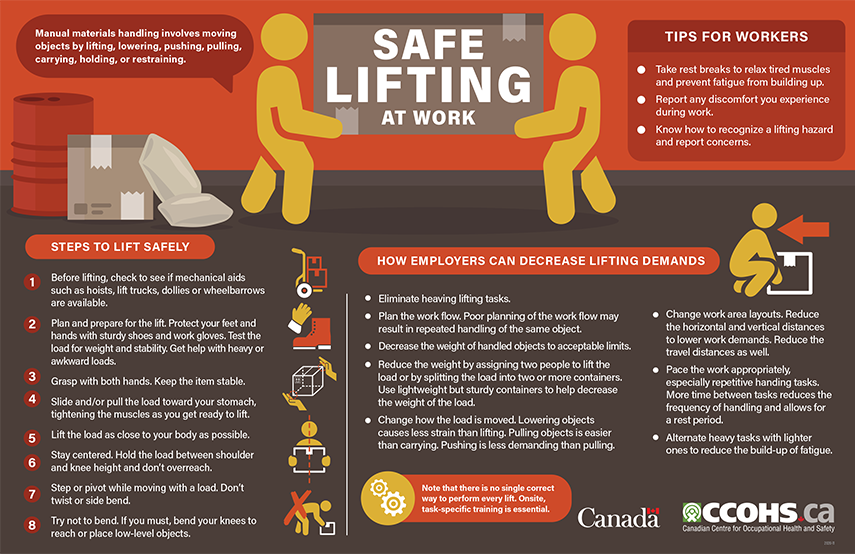
Protecting your body is the first priority when lifting any heavy object, including a mattress. Without proper technique, you risk back pain, muscle strains, or more serious injuries.
Bend Your Knees, Not Your Back
Lifting with a rounded back dramatically increases the risk of injury. Instead, follow these guidelines:
• Bend at the knees and keep your spine in a neutral position
• Engage your leg muscles rather than your lower back
• Hold the mattress close to your torso to reduce leverage and strain
Warning: Jerking or twisting while lifting can cause sudden muscle tears or disc injuries.
Maintain a Stable Base
Balance and footing are essential when handling heavy weight:
• Stand with feet shoulder-width apart for optimal stability
• Wear non-slip shoes or go barefoot on a non-slip surface
• Clear the space around the bed to avoid tripping hazards
Lift Smoothly With Help
If you have a second person available, coordinate your efforts:
• Position one person at the head and one at the foot of the mattress
• Use a verbal cue like “1-2-3, lift” to move in sync
• Both people should lift together using leg strength to avoid uneven weight distribution
Time estimate: 5 to 10 minutes
Difficulty: Medium to high, depending on mattress weight
Try the Slide-and-Tuck Method
If you lack space to lift the mattress fully, this technique works well for beds against walls or in tight corners.
Shift Mattress to Access One Side
- Tilt and slide the mattress slightly away from the wall using a rocking motion to shift it 6 to 12 inches
- Lay the fitted sheet flat on top, aligned with the mattress edges
- Secure the closest corner first, near the wall
- Stretch diagonally to tuck the opposite corner into place
- Finish by securing the remaining two corners
- Slide the mattress back into position against the wall
Tips for Success
• Use long-handled tucking tools if reaching under the mattress is difficult
• Pull gently when tucking to avoid tearing elastic bands
• This method works best with deep-pocket sheets sized for 18 inches or deeper
Best for: Wall-mounted beds, platform frames, solo users with limited space
Roll or Tilt for Partial Access
Gain access to sheet corners without fully lifting the mattress by rolling it to one side.
Roll-and-Tuck Technique
- Gently roll the mattress to the left, treating it like a log
- Tuck one side of the fitted sheet securely underneath
- Unroll the mattress, then roll it to the right side
- Tuck the opposite side of the sheet in place
- Smooth out any wrinkles by hand
When to Use This Method
• Only attempt on freestanding beds with clear space on both sides
• Avoid on adjustable or split king bases, as rolling can damage mechanisms
• Not recommended for memory foam mattresses over 14 inches thick, which are difficult to roll
Caution: Repeated rolling may compress foam layers and reduce mattress lifespan over time.
Get Help: Two-Person Lifting
The most effective traditional method involves teamwork, especially for king or hybrid mattresses that exceed 16 inches in depth.
Coordinate the Lift Properly
- Both people kneel or squat at opposite ends of the mattress
- Grip the side edges securely with a firm hold
- Lift together using leg strength, keeping backs straight
- Hold the mattress waist-high while tucking one side of the sheet
- Lower carefully, then repeat on the other side
Pro Tips for Success
• Flip the mattress upside-down if full access is needed for both sides
• Use knee pads if kneeling on hard floors
• Place a towel or sheet underneath during changes to catch dust and debris
Best for: Couples, caregivers, deep mattresses ranging from 16 to 22 inches
Use Ergonomic Accessories
Various tools can reduce strain, though they do not eliminate lifting entirely.
Install Mattress Handles
Some mattresses include built-in side handles. If yours does not, consider these options:
• Aftermarket grip straps with Velcro attachments
• Mattress lift belts with padded grips for better handholds
These improve your grip but do not reduce the actual weight you must lift.
Try a Sheet Tucking Tool
Long wands with gripper ends, such as the Sheet Genie or Magic Sheet Tool, can help:
• Slide under the mattress and pull sheet edges through to the other side
Limitations to consider:
• Can snag delicate fabrics
• Less effective on ultra-thick mattresses
• Requires practice to use effectively
Verdict: Helpful for some users, frustrating for others. Reviews are mixed.
Eliminate Lifting: Better Bedder System
The Better Bedder is a patented no-lift solution that anchors sheets without moving the mattress at all.
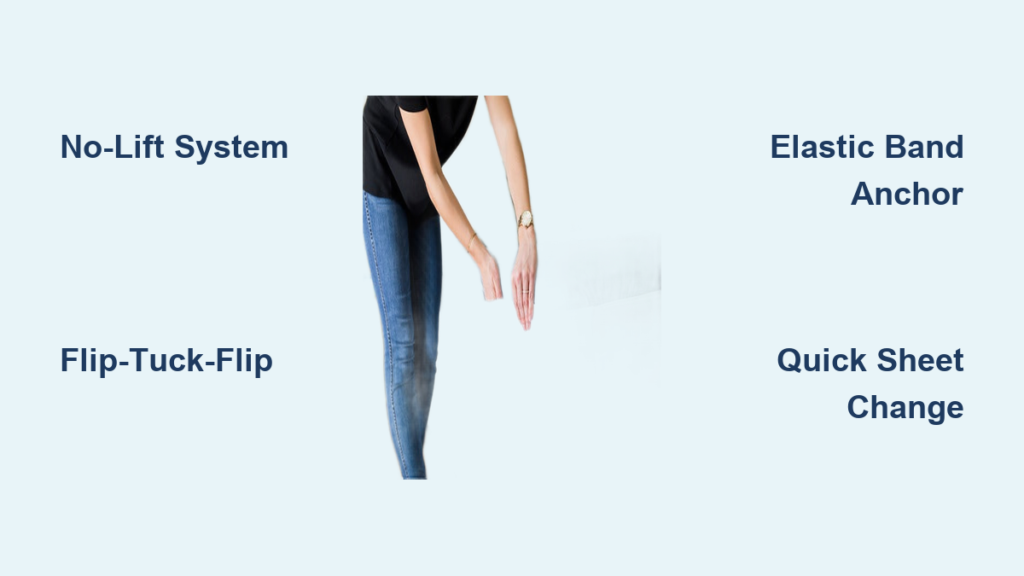
Install the Elastic Band
- Wrap the band around the mattress width, from head to foot
- Position the band approximately 2 inches below the top edge
- Tuck the end under at the foot of the mattress with no clips or fasteners needed
Fits: Twin through California King sizes
Works with: Any standard sheets
Flip-Tuck-Flip Method
- Flip the band downward toward the foot of the bed
- Tuck the fitted sheet corners into the band around all four sides
- Flip the band back up, which locks the sheet securely in place
Daily bed-making time: Under 30 seconds with zero lifting required.
Who Benefits Most
• Seniors and post-surgery patients recovering mobility
• Murphy bed owners who must remove mattresses frequently
• Caregivers and Airbnb hosts managing multiple beds
• Split king setups, using one band per side
Known Limitations
• White band is visible and may clash with darker bedding
• Adjustable beds produce mixed results, with some users reporting bunching
• Two-person setup is recommended for king-size mattresses
• Must install directly on the mattress, not over a mattress topper
Pro tip: Colored versions including beige, plum, and turquoise are in development.
Go Fully No-Lift: QuickZip Sheet System
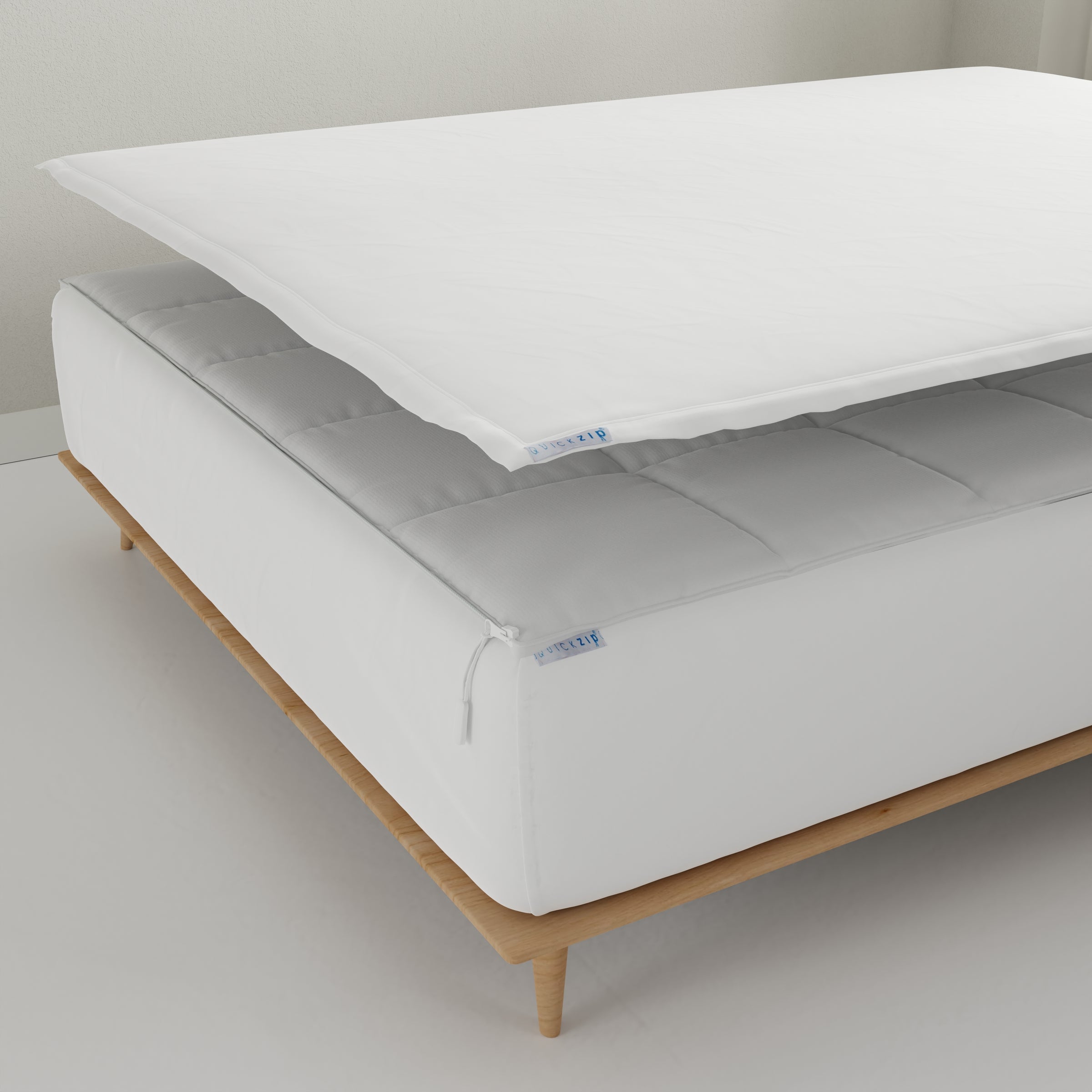
The QuickZip system replaces your fitted sheet with a zippered base, requiring only one lift at installation, then never again.
Install the Base (One-Time Lift)
- Attach the permanent base like a regular fitted sheet
- This step requires lifting or assistance, but it happens only once
- Ensure corners are snug and elastic is secure around all edges
Change Sheets in Seconds
- Unzip the top panel from the base
- Remove the dirty panel for washing
- Zip on a clean panel. No lifting, no tucking, no frustration
Changes take: Under 1 minute
No more: Loose corners or bunched fabric
Why It Works
• Heavy-duty zippers are tested for over 500 cycles
• Deep pockets fit mattresses up to 22 inches tall
• Compatible with adjustable beds, RV beds, and split king configurations
Caregiver favorite: “My mom can now make her own bed.” Verified review
Maintenance Instructions
• Zip the system closed before washing
• Machine wash warm, tumble dry on low heat
• Avoid bleach and fabric softeners
• Base lasts for years; only replace top panels as needed
Ideal for: Aging in place, families with children, small living spaces
Choose the Right Solution for Your Needs
Selecting the best system depends on your specific situation and requirements.
Elderly or Post-Surgery? Try Better Bedder
• No lifting is ever required
• Easy flip-tuck-flip system
• Recommended by physical therapists
• 30-day money-back guarantee
Adjustable Bed Owner? Choose QuickZip
• Stays smooth during bed articulation
• No bunching at hip or knee zones
• Convenient zip-on design
Murphy Bed or RV Owner? Better Bedder Wins
• No need to remove the mattress from the frame
• Lightweight and portable
• Saves significant time and effort
Airbnb Host or Caregiver? Either System Works
• Better Bedder offers faster daily changes
• QuickZip provides more seamless long-term use
Teaching Teens or Parents? Start With QuickZip
• Children can zip on clean sheets independently
• Builds responsibility and self-sufficiency
• No heavy lifting required
Prevent Future Strain: Maintenance Tips
Keep your chosen system working smoothly with regular care.
Wash Components With Sheets
• Better Bedder: Machine wash cold, gentle cycle
• QuickZip base: Wash with bedding, always zip closed first
• Air dry or use low heat only
• Never use bleach on any component
Inspect for Wear
• Check elastic bands regularly for loss of tension
• Look for fraying or tears at stress points
• Replace zippers if they become misaligned. Replacement parts are available from manufacturers.
Re-Position Periodically
• Shift the Better Bedder band if it slips out of place
• Re-tighten the QuickZip base if corners become loose over time
Frequently Asked Questions About Lifting Heavy Mattresses to Change Sheets
Can I change sheets on a heavy mattress without lifting it at all?
Yes, no-lift systems like Better Bedder and QuickZip eliminate the need to lift the mattress. Better Bedder uses an elastic band that anchors sheets in place without any lifting. QuickZip requires one initial lift during setup, then sheets zip on and off effortlessly.
What is the safest way to lift a heavy mattress alone?
If you must lift alone, bend at your knees, not your waist. Keep the mattress close to your body and use your leg muscles. Consider the slide-and-tuck method or rolling technique instead of full lifting to reduce strain.
Do no-lift sheet systems work on adjustable beds?
QuickZip works well with adjustable beds and stays smooth during articulation. Better Bedder has mixed results on adjustable beds, with some users reporting bunching or slipping, particularly at the hip and knee articulation points.
How long do no-lift sheet systems last?
Better Bedder bands can last 6 years or longer with proper care. QuickZip zippers are tested for over 500 cycles, and the base unit typically lasts for years with normal use. Both systems are designed for long-term durability.
Are no-lift systems worth the cost?
For many users, yes. Traditional sheet changes take 5 to 10 minutes with lifting, while Better Bedder and QuickZip complete changes in under 1 minute. The time savings, injury prevention, and independence gained often justify the one-time investment of $59 to $120.
Key Takeaways for Lifting Heavy Mattresses to Change Sheets
You do not have to lift a heavy mattress every time you change sheets. While proper lifting form, teamwork, and sliding tricks can help in a pinch, no-lift systems like Better Bedder and QuickZip are transforming bed-making into a quick, safe, and accessible task for everyone, regardless of strength or mobility level. The initial investment of $59 to $120 pays for itself quickly in time saved and injury prevention. Whether you are an older adult regaining independence, a caregiver reducing physical strain, or simply tired of wrestling with deep-pocket sheets, the right solution exists for your situation. Invest once, save hundreds of lifts, and make bed-making something you can actually enjoy.