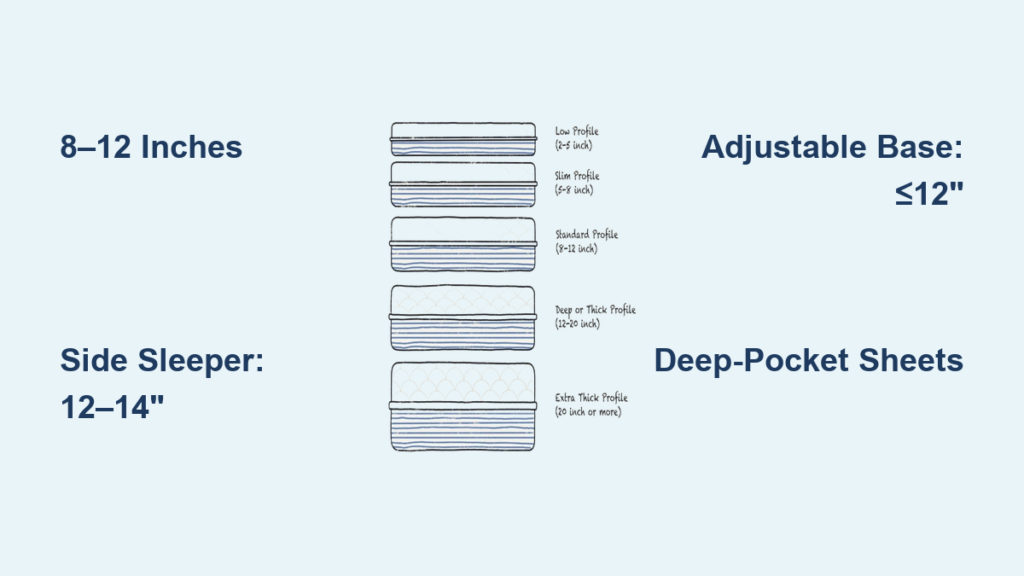
Is your box spring broken, squeaky, or simply too expensive to replace? Many homeowners are now choosing plywood instead of box spring setups to save money and eliminate noise. This budget-friendly swap works perfectly for platform beds and memory foam mattresses that need solid support.
You will learn exactly how to replace your current foundation safely and effectively. This guide covers the right thickness to use, installation steps, and critical mistakes to avoid so your mattress lasts longer.
Selecting the Correct Plywood Grade for Sleep Surfaces

Not every sheet of wood works well under a mattress. You must choose a grade that offers strength without rough spots that could damage your bedding.
Why AC-Grade or B-Grade Birch Is Essential
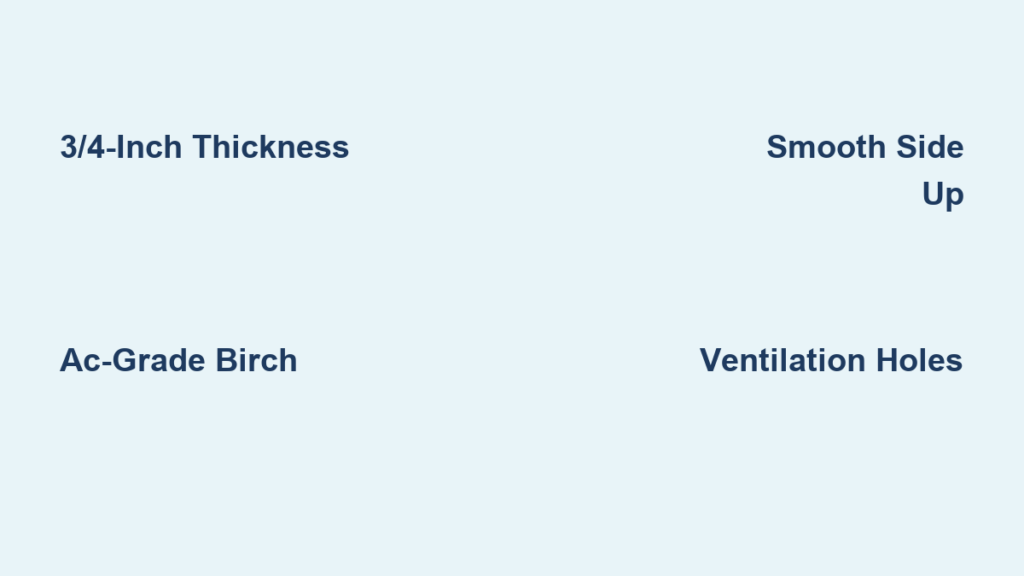
Opt for AC-grade or B-grade birch plywood for the best results. These grades provide a smooth surface on at least one side and resist warping under weight. They are strong enough to hold heavy mattresses without splintering over time.
Stay away from particle board or oriented strand board (OSB). These materials lack the necessary durability and often sag quickly under constant pressure. CDX plywood might work in an emergency but usually has rough surfaces that compromise support.
Avoiding Treated or Exterior Wood Products
Never use pressure-treated or exterior-grade plywood in your bedroom. These boards contain chemicals that can release volatile organic compounds (VOCs) into your sleeping area.
Stick to interior-grade, formaldehyde-free options if you have allergies or sensitivity to smells. Your health and air quality matter just as much as the structural support.
Calculating the Ideal Plywood Thickness
Thickness determines whether your bed feels solid or bows in the middle. Getting this measurement wrong can ruin the comfort of your entire sleep system.
Why 3/4-Inch Thickness Is Standard
For most beds, 3/4-inch (19 mm) plywood provides the perfect balance of support and flexibility. This thickness prevents sagging even with heavy memory foam or latex mattresses.
Thinner sheets like 1/2 inch may bow over time, especially if your slats are spaced more than 2 inches apart. While 1/2 inch might work on very closely spaced slats, 3/4 inch remains the safer, longer-lasting choice for any bed size.
Measuring Your Frame Before Cutting
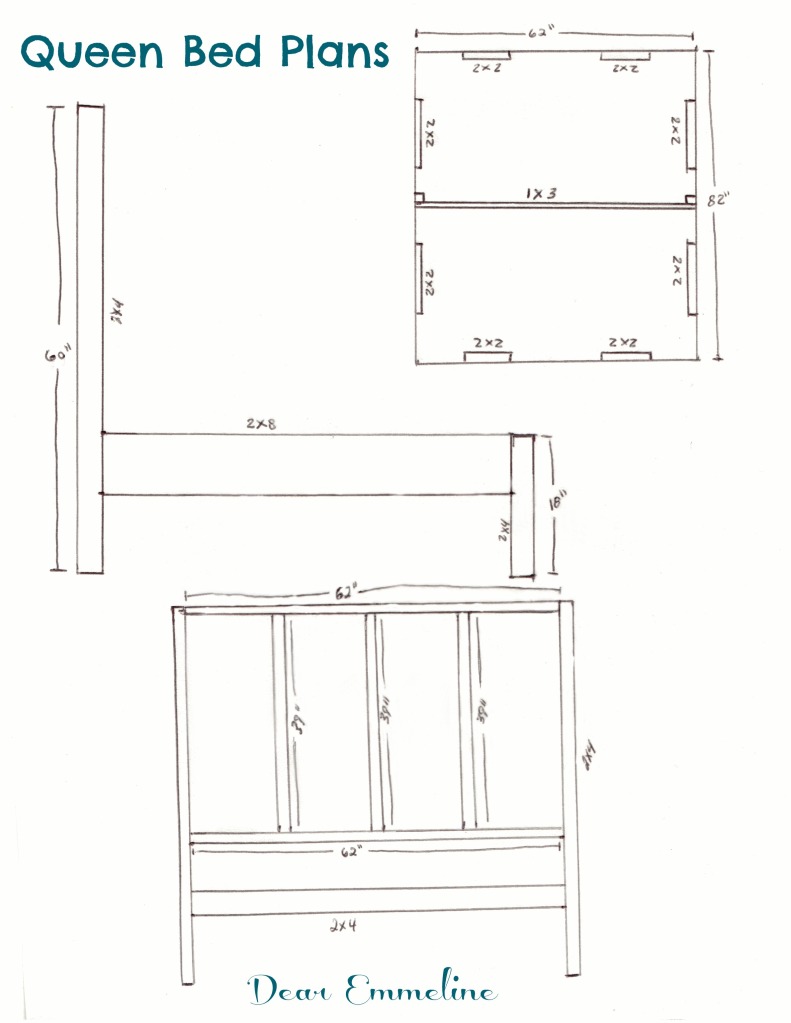
Always measure the interior dimensions of your bed frame before buying materials. Standard sizes vary slightly by manufacturer, so precise measurements prevent fitting issues.
Common dimensions include:
* Twin: 38″ x 75″
* Full: 54″ x 75″
* Queen: 60″ x 80″
* King: 76″ x 80″
Ask the hardware store to cut the sheet for you to ensure clean, straight edges. A snug fit stops the board from shifting and reduces stress on the corners.
Preparing Your Bed Frame for Installation
A clean and stable frame ensures your new plywood base lasts for years. Skipping preparation can lead to uneven support or damage to the wood.
Checking Slat Spacing and Condition
Your plywood needs consistent support underneath to function correctly. Inspect your slats to ensure they are evenly spaced no more than 3 inches apart.
Reinforce any weak or bent slats before laying down the new board. For queen and king sizes, adding a center support rail or leg prevents the middle of the plywood from dipping over time.
Cleaning and Inspecting for Hazards
Remove all dust, debris, and old fabric remnants from the bed frame. Check carefully for sharp edges, protruding screws, or loose joints that could harm the plywood or mattress.
Sand down any rough spots on the frame immediately. Tighten all screws and bolts to ensure the entire structure is stable before adding the weight of the board and mattress.
Installing the Plywood Base Correctly
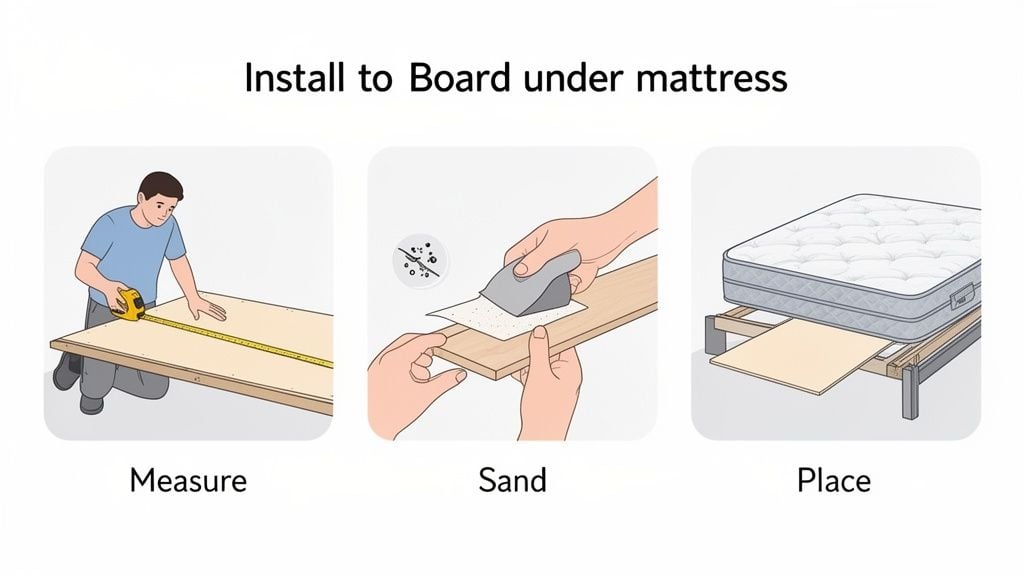
Proper placement ensures maximum comfort and protects your investment. Follow these steps to install your plywood instead of box spring solution safely.
Positioning the Sheet Smooth Side Up
Place the plywood sheet on the frame with the smooth side facing up. If you used AC-grade wood, ensure the “A” side is upward to protect your mattress fabric.
Make sure the sheet sits completely flat without overhanging the edges. Overhangs can crack under pressure or catch on your bedding during sleep.
Securing the Board Without Damage
You generally do not need nails or screws to hold the board in place. Instead, use non-slip rug pads or adhesive felt strips along the frame to prevent sliding.
Avoid drilling into the frame or board unless absolutely necessary. Some users add L-brackets to the outside corners for extra security, but only if it does not raise the bed height too much.
Protecting Your Mattress From Damage
Direct contact between wood and mattress can cause wear over time. Simple barriers help extend the life of your bedding.
Adding a Breathable Fabric Layer
Place a thin cotton sheet or breathable mattress protector between the plywood and your mattress. This layer reduces friction and prevents minor abrasion on the bottom of your mattress.
Never use plastic or vinyl covers here. These materials trap moisture and can lead to mold or mildew growth between the bed and the board.
Ensuring Adequate Airflow Circulation
Solid plywood blocks airflow compared to ventilated box springs. You must take steps to prevent moisture buildup under your mattress.
- Use a breathable mattress protector on top of the mattress.
- Leave space around the bed for air to circulate freely.
- Lift the mattress weekly to let the surface air out.
- Drill small 1/4-inch vent holes every 6 to 8 inches in a grid pattern for long-term setups.
Understanding Limitations and Risks
Using plywood instead of box spring works well for many, but it is not perfect for every situation. Know the risks before you start.
Mattress Warranty Compatibility Issues
Some mattress warranties require a specific type of rigid, ventilated foundation. Using solid plywood might void your warranty if it does not meet manufacturer guidelines.
Innerspring mattresses usually handle solid bases well. However, memory foam and latex often benefit from extra breathability. Check your warranty terms before making the switch.
Potential for Sagging Without Support
Plywood is strong but not indestructible. Without adequate slat support or center bracing, the board can sag in the middle over time.
This sagging creates uneven support that leads to body impressions. It can significantly reduce the lifespan of your mattress if left unaddressed.
Comparing Costs and Benefits of DIY Support
Switching to wood offers financial advantages and performance benefits over traditional springs.
Saving Money With a DIY Base
A new box spring typically costs between $100 and $300 depending on size. In contrast, a 3/4-inch birch plywood sheet costs $60 to $100 for a queen size.
This makes it a highly cost-effective alternative for guest rooms or temporary setups. Plus, plywood does not wear out like box springs, which often develop squeaks or broken coils within a few years.
Enjoying a Quieter and Sturdier Sleep
Unlike box springs, plywood does not creak or shift during the night. It provides a solid, motion-free base that enhances overall mattress stability.
Many users report better sleep quality due to reduced noise and firmer support. It is also easier to move and store, making it ideal for apartments or DIY bed frames.
Situations Where Plywood Is Not Recommended
While versatile, this solution is not suitable for every bedroom setup or user preference.
Height Concerns for Tall Bed Frames
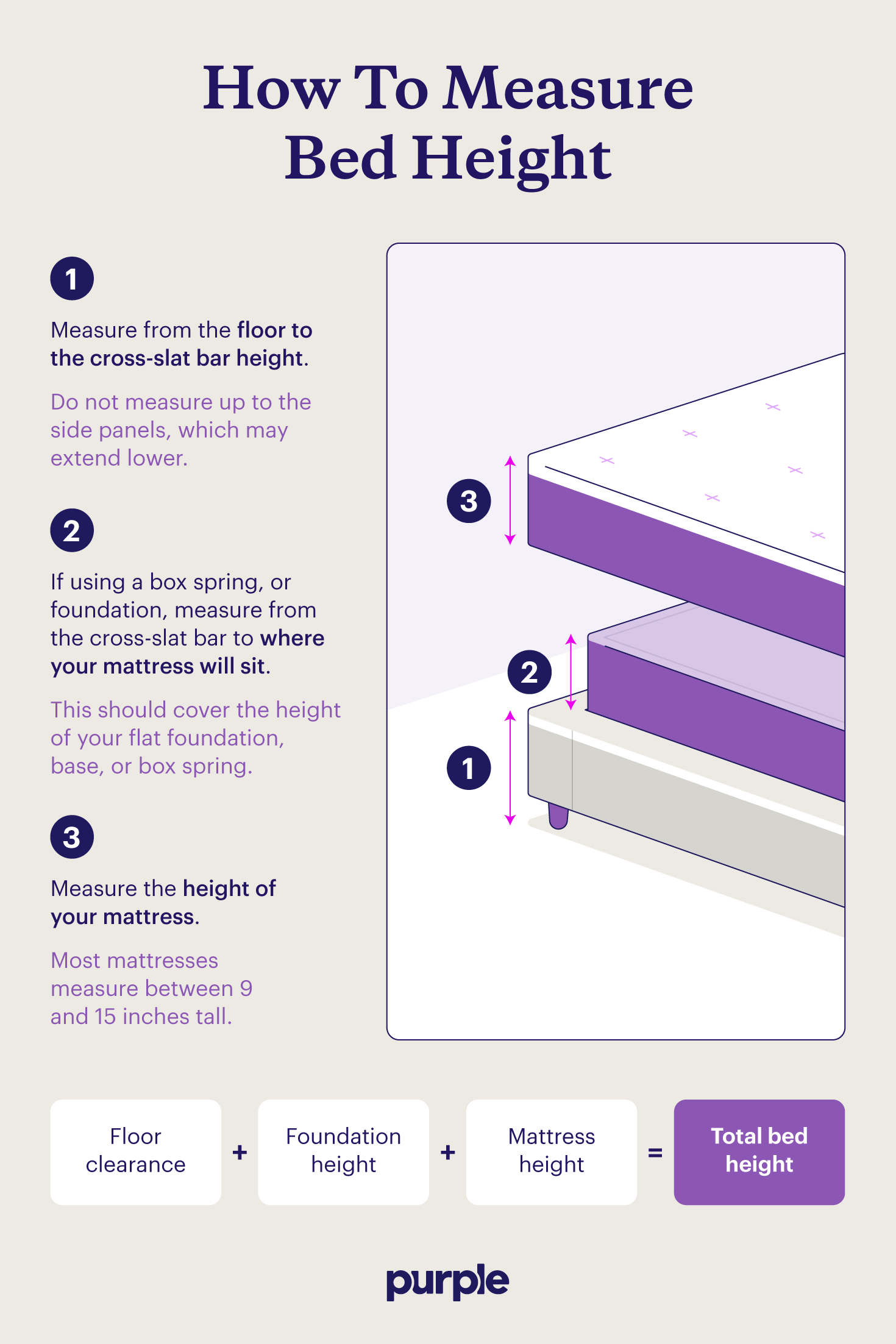
Adding 3/4-inch plywood raises your bed height slightly. If you already have a high foundation, this extra inch can make getting in and out of bed difficult.
Measure your total bed height before installing. The ideal height from floor to top of mattress is typically 20 to 25 inches for most adults.
Resale Value and Buyer Perception
If you plan to sell your mattress later, a non-standard foundation might raise questions. Some buyers assume improper support was used if they see a wood board.
Stick to manufacturer-recommended bases if resale value is a major concern for you.
Frequently Asked Questions About Using Plywood Instead of Box Spring
Will using plywood instead of a box spring void my mattress warranty?
It might, depending on the manufacturer. Some warranties require specific ventilated foundations. Always check your warranty terms before switching to solid wood support.
What is the best thickness of plywood for a queen-size bed?
3/4-inch thickness is ideal for queen-size beds. This thickness prevents sagging and provides enough rigidity to support heavy mattresses without bowing.
Can I use regular construction plywood for my bed?
No, avoid regular construction plywood like CDX. Use AC-grade or B-grade birch to ensure a smooth surface that will not damage your mattress fabric.
How do I prevent moisture buildup with a solid plywood base?
Drill small vent holes in a grid pattern and use a breathable mattress protector. Lift the mattress weekly to allow air circulation and prevent mold growth.
Is plywood better than slats for memory foam mattresses?
Yes, memory foam often requires a solid, flat surface to prevent sagging between slats. Plywood provides the uniform support these mattresses need.
How much money can I save by making my own bed base?
You can save $100 to $200 compared to buying a new box spring. A sheet of high-quality plywood costs significantly less than a retail foundation unit.
Key Takeaways for Your Plywood Instead of Box Spring Project
Replacing your old foundation with wood is a smart move when done correctly. Remember to use 3/4-inch AC-grade plywood and ensure your frame has adequate support to prevent sagging.
Always add a breathable fabric layer between the wood and mattress to protect against wear. Check your warranty terms first and prioritize airflow to keep your sleep environment healthy.
Take action today by measuring your frame and sourcing the right materials. This simple DIY project delivers a quiet, sturdy, and cost-effective sleep solution for years to come.