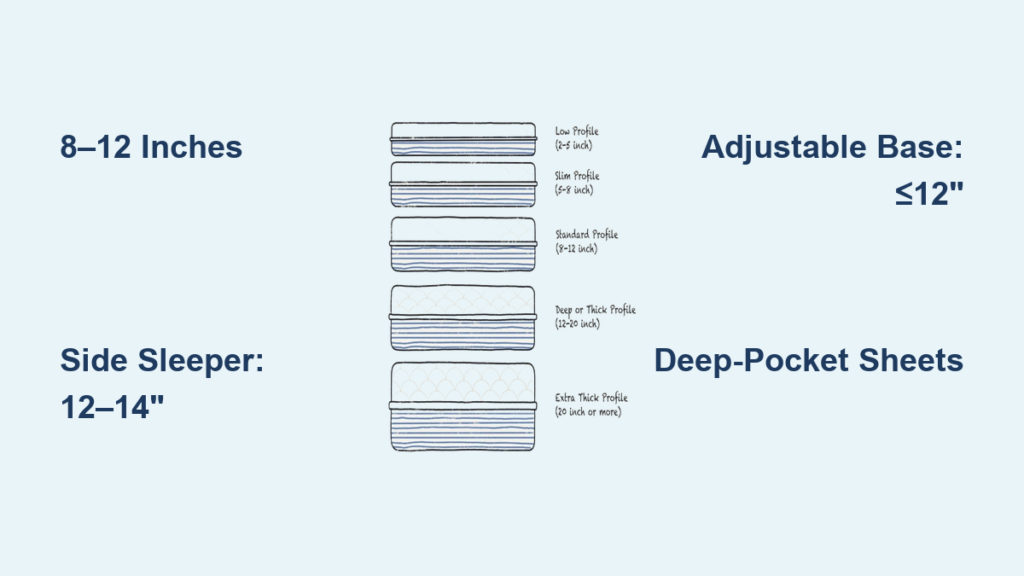
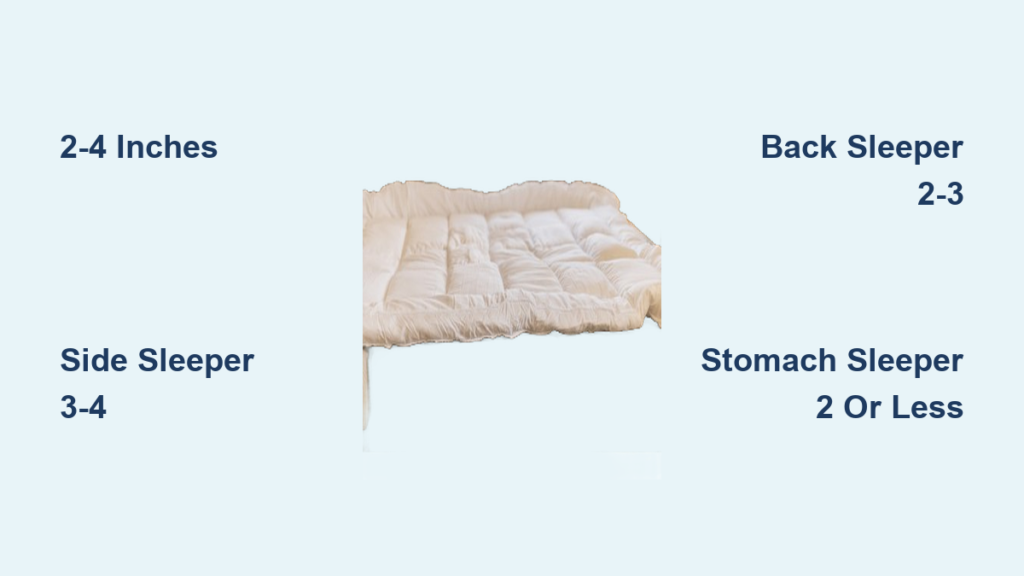
If you wake up with stiffness, aching hips, or nagging lower back pain, your mattress might be the culprit. Finding the right mattress topper can transform painful nights into restful sleep, but the question remains: how thick should a mattress topper be for back pain? The answer falls within a specific range that balances cushioning with spinal support. This guide breaks down exactly which thickness works for your sleep position, body type, and pain level, so you can make a confident, pain-relieving choice without wasting money on the wrong product.
The Sweet Spot: 2-4 Inches for Back Pain Relief
Research and expert consensus point to 2-4 inches (5-10 cm) as the ideal range for back pain relief. This thickness provides enough material to modify your mattress feel while maintaining the spinal alignment essential for reducing pain.
Why Thickness Matters
Thickness directly impacts how your body sinks into the sleep surface. A topper that’s too thin offers minimal correction, while one that’s too thick allows your body to sink out of alignment, potentially worsening back pain. The goal is finding the balance where pressure points cushion without your spine curving unnaturally.
Thickness Breakdown by Need
- 2 inches: Best for back sleepers or those needing mild comfort correction
- 3 inches: Ideal for side sleepers and individuals with moderate pain or a slightly sagging mattress
- 4 inches: Recommended for heavier individuals or significant pressure point issues
- Avoid 4+ inches: Excessive depth leads to poor posture, especially for back and stomach sleepers
Density Complements Thickness
Thickness alone won’t solve back pain. Pair your chosen thickness with high-density materials (at least 3 lb/ft³ for foam). A 4-inch low-density foam topper compresses quickly and fails to support the spine, making pain worse over time.
Best Thickness by Sleep Position
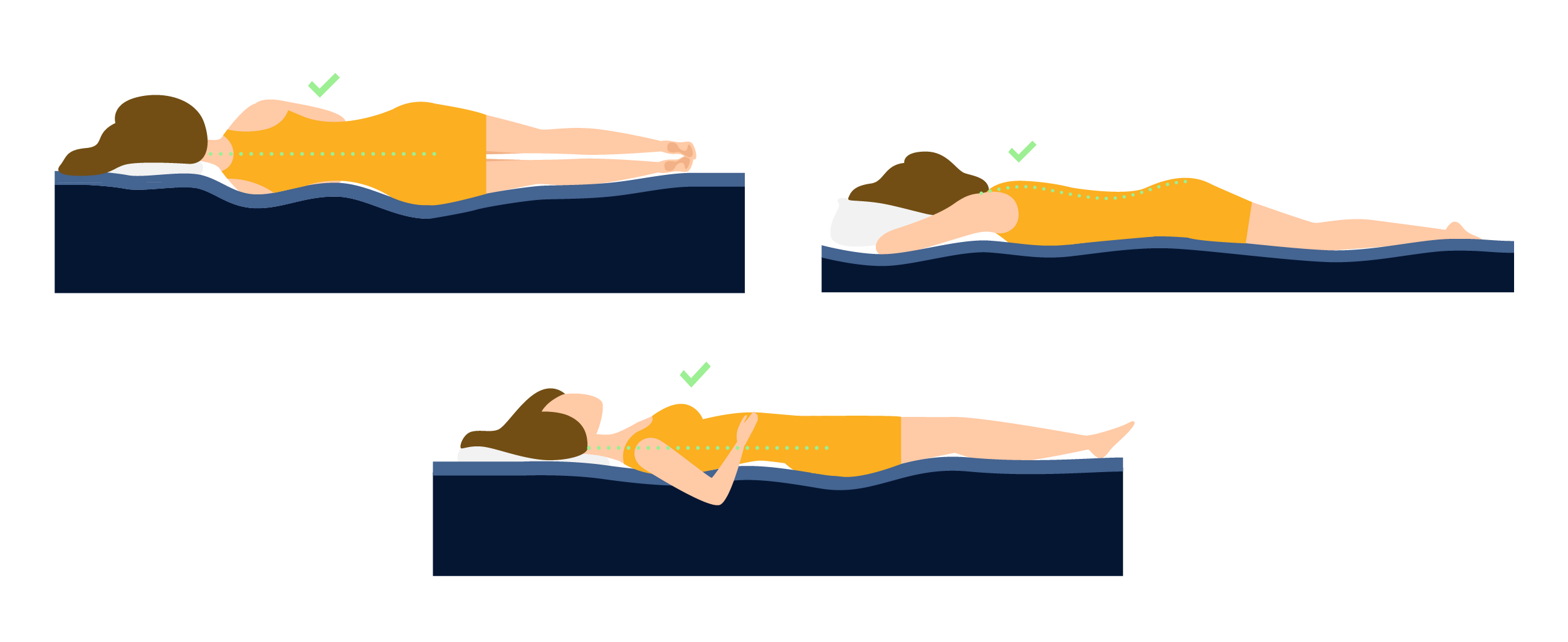
Your sleep position heavily influences which thickness provides optimal spinal alignment and pain relief.
Side Sleepers: 3-4 Inches
Side sleepers place significant pressure on shoulders and hips. Without adequate cushioning, these joints press into the mattress, tilting the spine and straining the lower back.
- Recommended: 3-4 inches of medium-soft to medium support (4-5 firmness)
- Why: Allows joints to sink slightly while keeping the spine straight
- Best Materials: Gel-infused memory foam, Talalay latex, or responsive AirFoam
- Weight consideration: Lighter side sleepers (under 130 lb) benefit from deeper contouring, while heavier individuals (over 230 lb) should choose medium-firm to avoid bottoming out
Back Sleepers: 2-3 Inches
Back sleepers need balanced support enough to cushion the lumbar and pelvic areas without letting the lower back dip too far.
- Recommended: 2-3 inches, medium-firm (5-6 firmness)
- Why: Prevents the lower back from sinking excessively while maintaining neutral spine alignment
- Best Materials: High-density memory foam, polyfoam, or latex
- Example: Back sleepers weighing 130-230 lb rated the 3-inch ViscoSoft model highly for its even support and pressure relief
Stomach Sleepers: 2 Inches or Less
Stomach sleeping is the most challenging position for back health. Too much cushioning causes the hips to sink, creating lumbar hyperextension that strains the lower back.
- Recommended: 2 inches or less, firm (6-7 firmness)
- Why: Prevents pelvic tilt and keeps hips aligned with shoulders
- Best Materials: Firm memory foam, Dunlop latex, or high-density polyfoam
- Important: Even lightweight stomach sleepers should avoid soft, thick toppers
Combination Sleepers: 2-3 Inches
Frequent position changers need a topper that supports the spine in multiple positions while allowing easy movement.
- Recommended: 2-3 inches, medium firmness (5)
- Why: Responsive materials help transition between positions smoothly
- Best Materials: AirFoam, latex, or open-cell memory foam with bounce
- Tip: Look for foams that don’t trap you like slow-response memory foam
Matching Thickness to Your Mattress Condition
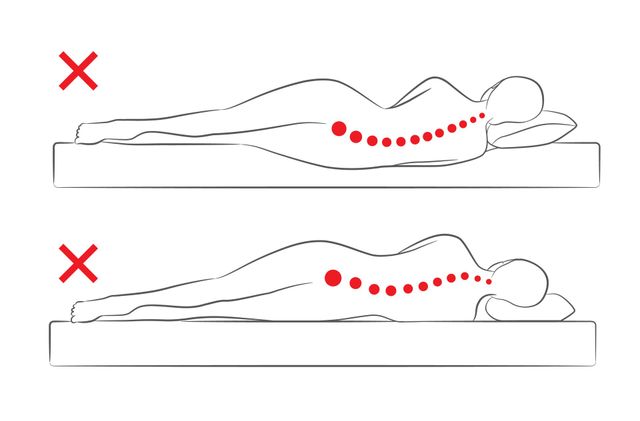
Your current mattress condition determines how much correction a topper must provide to be effective.
Slightly Worn Mattresses: 1.5-2 Inches
If your mattress is slightly too firm or soft but still structurally sound, a thin topper fine-tunes comfort without overcorrecting.
- Best Choice: 1.5-2 inch medium-density polyfoam or memory foam
- Example: The 1.5-inch Saatva High-Density Foam topper works well for minor adjustments
Moderately Sagging Mattresses: 2-3 Inches
Visible indentations (1-2 inches deep) require thicker toppers to level the surface and restore support.
- Best Choice: 3-inch memory foam or latex
- Important: Pair with a supportive base; toppers conform to flaws, they don’t fix them
Severely Worn Mattresses: 3-4 Inches (With Caution)
Deep indentations (over 2 inches) or broken coils mean your mattress is failing. A 3-4 inch topper can temporarily improve comfort, but replacement remains the long-term solution.
- Warning: A topper cannot compensate for structural issues. If your mattress sags significantly or has broken springs, it’s time to replace it.
Material-Specific Thickness Guidelines
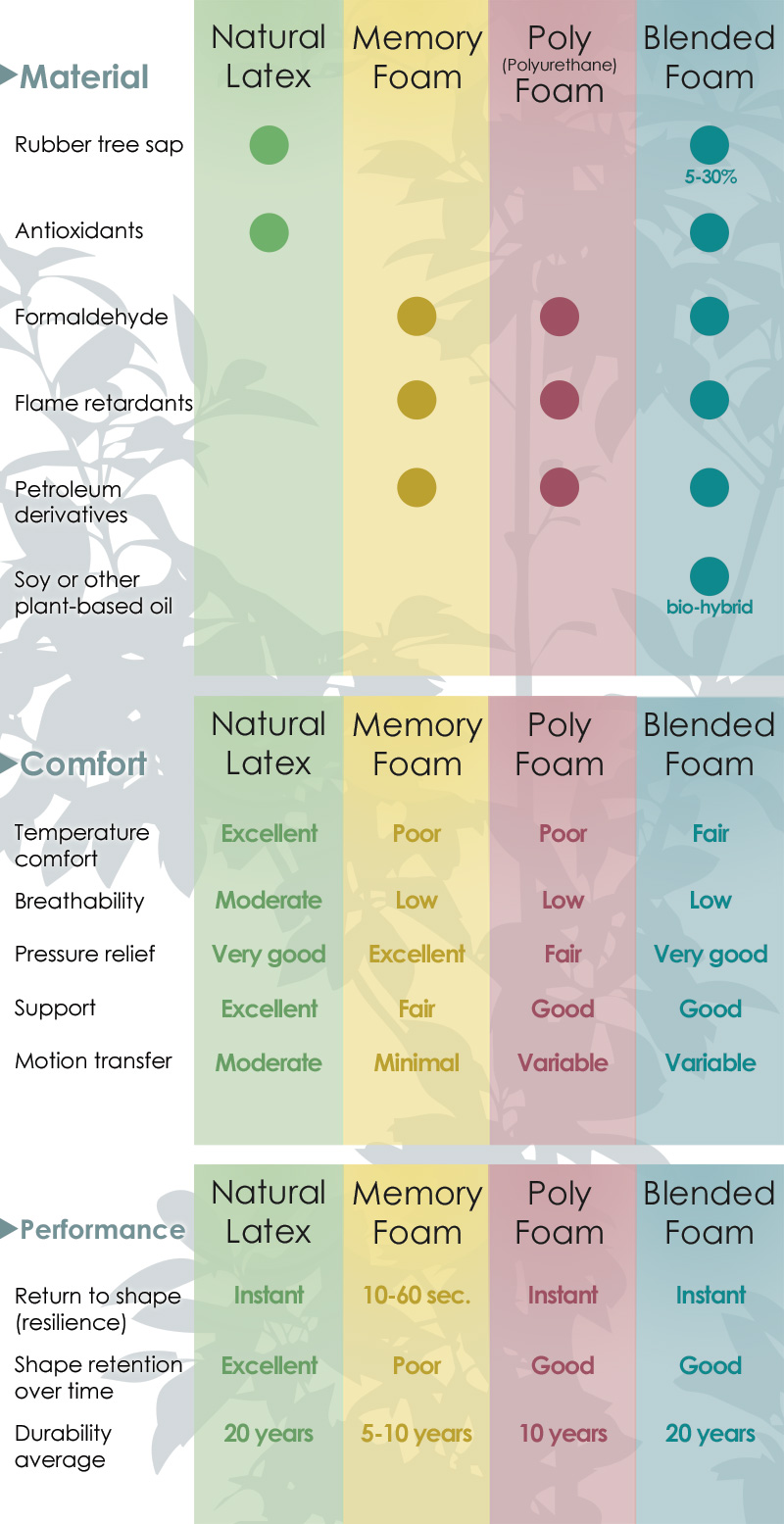
The material affects how thickness performs, so matching type to thickness maximizes pain relief.
Memory Foam: 2-4 Inches
Memory foam contours precisely to the body, making it excellent for reducing pressure points and supporting spinal alignment.
- Best Thickness: 2-4 inches depending on sleep position
- Density Requirement: Choose at least 3 lb/ft³ (48 kg/m³) for durability and support
- Cooling Upgrades: Gel, graphite, or copper infusions prevent overheating
- Top Picks: Nectar Firmer (2 inches) for back and stomach sleepers, ViscoSoft Select (3-4 inches) for deep contouring
- Avoid: Low-density foams that degrade quickly and lose support
Latex: 2-4 Inches
Natural latex offers responsive, buoyant support ideal for spinal alignment and stays naturally cool.
- Talalay: Softer, better for side sleepers (3 inches recommended)
- Dunlop: Denser, more supportive for back and stomach sleepers (2-3 inches)
- Density: At least 85 kg/m³ for long-term durability
- Top Picks: Silk & Snow (2-inch organic Dunlop), Birch Plush (3-inch Talalay with wool)
- Bonus: Latex is hypoallergenic and resistant to dust mites
High-Density Polyfoam: 1.5-3 Inches
More breathable than memory foam, polyfoam offers mild contouring with better airflow at a lower price point.
- Best For: Budget buyers, slight mattress wear, couples (excellent motion isolation)
- Top Pick: Saatva High-Density Foam (1.5 inches, medium firmness)
- Limitation: Less pressure relief than memory foam or latex
Specialized Materials
- AirFoam (Nolah): Provides up to 4x more pressure relief than traditional foam, stays temperature-neutral
- Microcoils (Helix): Mini coils under foam add targeted support, especially effective on sagging beds
- Dual-Firmness Toppers: Offer soft and firm sides, ideal for couples or uncertain preferences
Firmness and Weight: Getting the Support Balance Right
Firmness works alongside thickness to determine how your body positions during sleep.
Firmness Guide by Position and Weight
| Position | Weight | Ideal Firmness (1-10) |
|---|---|---|
| Side Sleeper | Under 130 lb | 4 (Medium-soft) |
| Side Sleeper | 130-230 lb | 5 (Medium) |
| Side Sleeper | Over 230 lb | 6 (Medium-firm) |
| Back Sleeper | Under 130 lb | 5 (Medium) |
| Back Sleeper | 130-230 lb | 6 (Medium-firm) |
| Back Sleeper | Over 230 lb | 6-7 (Medium-firm to firm) |
| Stomach Sleeper | Any weight | 7 (Firm) |
| Combination Sleeper | Any weight | 5 (Medium) |
Why Firmness Matters
Firmer models provide push-back and prevent excessive sinkage, which is crucial for spinal alignment. Use ILD (Indentation Load Deflection) ratings to compare firmness objectively: higher ILD means firmer feel.
Cooling Features for Pain-Free Sleep
Heat worsens discomfort and disrupts sleep, so cooling features matter for back pain sufferers.
Effective Cooling Solutions
- Gel-infused foam: Absorbs and dissipates heat (Nectar, ViscoSoft)
- Open-cell or AirFoam: Improves airflow significantly (Nolah)
- Latex: Naturally breathable and moisture-wicking
- Wool covers: Excellent temperature regulation (Birch, Saatva)
- Perforated foam: Channels allow air circulation
- Tencel or cotton covers: Temperature-neutral and soft
When a Topper Cannot Fix Your Back Pain
A mattress topper is not a solution for every back problem.
Situations Requiring Mattress Replacement
- Sagging or collapsed mattresses
- Broken coils or springs
- Mattresses older than 8-10 years
- Visible structural damage
A topper is a comfort layer, not a structural repair. If your mattress has failed structurally, replacement is necessary.
Key Takeaways for Choosing Your Perfect Topper
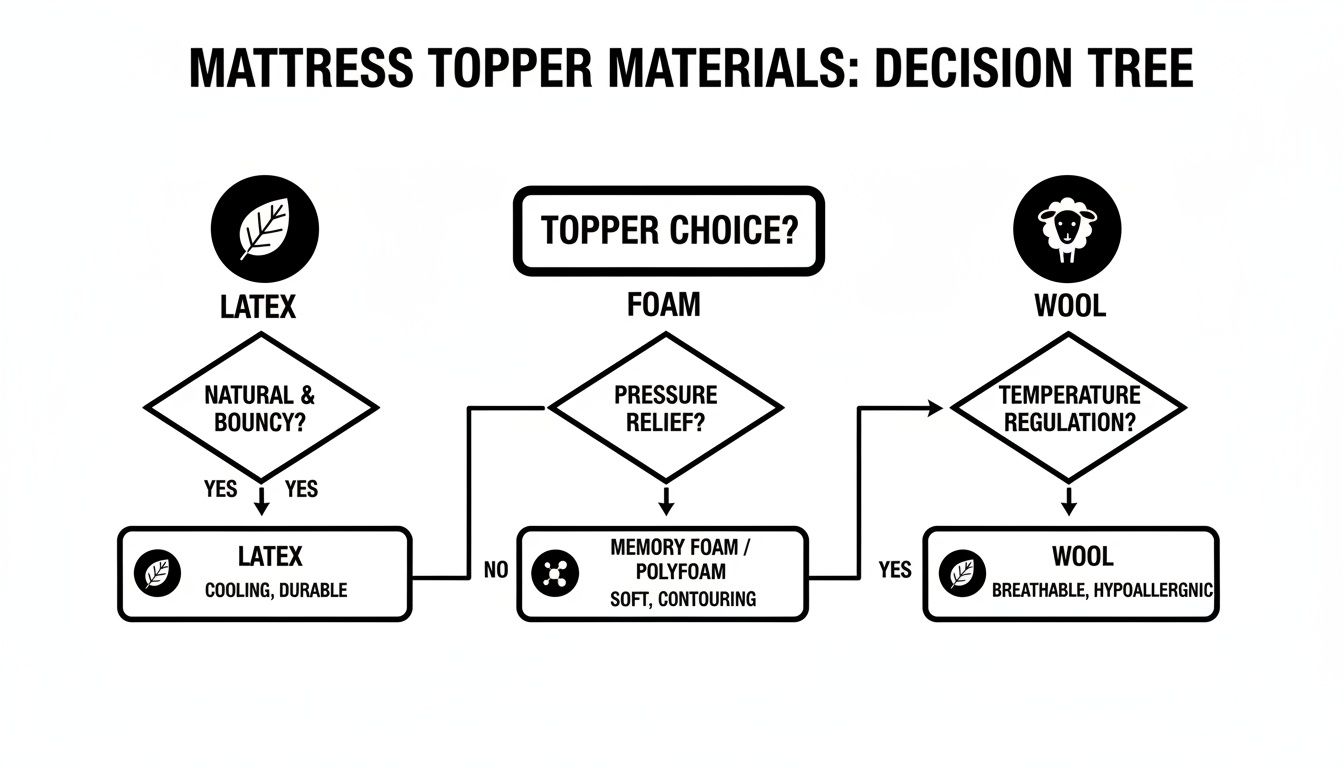
Selecting the right mattress topper for back pain comes down to matching thickness, material, and firmness to your specific situation.
Quick Decision Framework
- Start with 2-3 inches for moderate back pain or slight mattress wear
- Choose 3-4 inches if you’re a side sleeper, weigh over 230 lb, or have a sagging bed
- Stick to 2 inches or less if you’re a stomach sleeper
- Prioritize material quality: Memory foam for pressure relief, latex for responsive support, polyfoam for budget durability
- Look for: High density (at least 3 lb/ft³), cooling technology, zoned support for lumbar relief
- Choose brands with sleep trials (30-100 nights) and warranties (3+ years)
- Consult a doctor for chronic or diagnosed back conditions
Best Topper by Scenario
| Scenario | Thickness | Material | Firmness | Example |
|---|---|---|---|---|
| Mild back pain | 1.5-2 inches | Polyfoam | Medium | Saatva |
| Chronic lower back pain | 2-3 inches | Gel memory foam | Medium-firm | Nectar Firmer |
| Sciatica | 3 inches | Natural latex | Medium-firm | Silk & Snow |
| Side sleeper | 3-4 inches | Memory foam/latex | Medium-soft | ViscoSoft Select |
| Stomach sleeper | 2 inches | Firm foam | Firm | Nectar Firmer |
| Hot sleeper | 2-3 inches | AirFoam/latex | Medium | Nolah, Silk & Snow |
Frequently Asked Questions About Mattress Topper Thickness for Back Pain
What is the best thickness for back pain relief?
The best thickness for back pain relief falls between 2 and 4 inches. This range provides enough cushioning to relieve pressure points while maintaining the spinal support necessary for pain relief. Choose 2 inches for mild adjustments, 3 inches for moderate pain, and 4 inches for significant pressure points or heavier body weights.
Can a mattress topper worsen back pain?
Yes, a mattress topper can worsen back pain if chosen incorrectly. A topper that’s too thick causes your body to sink out of alignment, particularly for back and stomach sleepers. Similarly, low-density foam compresses quickly and loses support. Always pair appropriate thickness with high-density materials and correct firmness for your sleep position.
Is thicker always better for back pain?
No, thicker is not always better. A topper exceeding 4 inches allows excessive sinkage that misaligns the spine, especially for back and stomach sleepers. The ideal thickness depends on your sleep position, body weight, and mattress condition. Stomach sleepers specifically should avoid thick toppers, as they cause hip sinking and lumbar hyperextension.
How do I know if my mattress needs a topper or replacement?
Your mattress needs replacement if it has visible sagging, broken coils, deep indentations (over 2 inches), or is older than 8-10 years. A topper can help with slight wear or minor comfort issues, but it cannot fix structural problems. If your mattress has failed structurally, a topper only masks the problem temporarily.
Which material is best for back pain?
Memory foam and natural latex are the best materials for back pain. Memory foam contours precisely to reduce pressure points and support spinal alignment. Latex offers responsive, buoyant support with natural cooling properties. Both materials should be high-density (at least 3 lb/ft³ for foam, 85 kg/m³ for latex) for lasting support.
How long does a mattress topper last?
The lifespan depends on material. Memory foam lasts 3-5 years with proper care. Latex lasts 5-10 years, making it the most durable option. Polyfoam lasts 2-3 years. Replace your topper when you notice indentations over 1.5 inches, diminished pain relief, or persistent odors beyond a week.