Every night, your mattress works hard to support your body, align your spine, and ensure restful sleep. But how often do you return the favor? Most people replace their mattress only after years of wear, yet few realize that daily habits, cleaning routines, and proper setup play a huge role in how long it lasts and how well it performs. Knowing how to care for a mattress isn’t just about cleanliness, it’s about protecting your health, improving sleep quality, and getting the full value from your investment.
A poorly maintained mattress can harbor dust mites, absorb sweat and spills, develop odors, sag prematurely, and even void your warranty. On the flip side, a well-cared-for mattress can last 7 to 10 years or more, stay fresher, sleep cooler, and continue providing the support you need. Whether you own memory foam, latex, hybrid, or innerspring, every type benefits from consistent care. In this guide, you’ll learn exactly how to extend your mattress’s life with smart, simple routines.
Setting Up Your New Mattress the Right Way
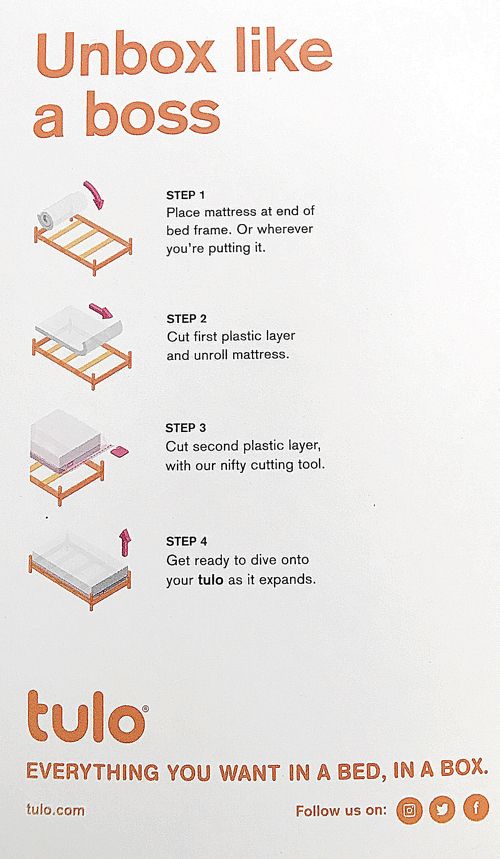
Proper setup ensures optimal performance, durability, and comfort from day one. Taking the time to do this correctly pays off in the long run.
Allow 48 to 72 Hours for Full Expansion
After unboxing a compressed foam or hybrid mattress, let it expand for 48 to 72 hours before judging its comfort. During this time, the layers recover their shape, firmness, and support. While you can sleep on it after 24 hours, full recovery takes up to three days. Keep the room well-ventilated to speed up expansion and reduce off-gassing odors.
Ventilate to Reduce Chemical Odors
New foam mattresses often emit a chemical smell due to volatile organic compounds released during manufacturing. Though non-toxic, the odor can be strong. To minimize it, open windows and use fans. Avoid sealing the mattress with tight encasements initially. The smell typically fades within a few hours to two weeks, depending on airflow and material quality.
Give Your Body Time to Adjust
Your body needs time to adapt to a new sleep surface. It can take up to 30 nights to fully acclimate, especially if switching from a very firm to soft mattress or vice versa. Do not panic if it feels too firm or soft at first. Foam softens slightly over time, and your spine adjusts to new alignment.
Understand Normal Settlement
Body impressions up to 1 to 2 inches deep are normal and not covered under warranty. These form where shoulders and hips press down nightly. To reduce uneven wear, rotate regularly and air out the mattress each morning by pulling back the bedding.
Protecting Your Mattress With the Right Cover

A high-quality protector is one of the most effective investments in mattress longevity and hygiene. Without one, your mattress becomes a breeding ground for allergens and stains.
Choose the Right Protector Type
Different types serve different purposes. Waterproof protectors block all liquids and are ideal for kids, pets, or incontinence. Water-resistant offers light spill protection. Encasements fully seal all six sides, best for bed bug and allergen control. Breathable options made from cotton, TENCEL, or bamboo reduce heat retention. Avoid mattress pads because they add cushioning but do not protect like a true protector.
Look for Certified Quality
Look for protectors with verified performance. SafeRest Waterproof Mattress Protector and Avocado Organic Waterproof are solid options. Products certified by GREENGUARD Gold, GOLS, or the Asthma and Allergy Foundation of America ensure low emissions and allergen resistance.
Wash and Replace Regularly
Wash your protector every 1 to 2 months, or more often if exposed to spills or heavy sweating. Follow care labels for temperature and drying. Replace it if waterproofing fails, fabric is torn, or odors persist after washing.
Rotating and Flipping: What Works Best
Rotating and flipping are not the same thing, and knowing which applies to your mattress is critical for proper care.
Rotate Every 3 to 6 Months
Rotating head-to-foot evens out wear and prevents sagging. For most modern mattresses, rotate weekly for the first 3 months, then every 3 to 6 months after that. Adjustable bed users should rotate monthly due to concentrated sitting pressure. Always remove bedding and lift when rotating, never drag across the floor.
Only Flip Double-Sided Models
Flipping top-to-bottom is only for flippable mattresses. Check for labels like “Turn Over Regularly.” If present, flip monthly after the first three months. Use two people to avoid strain or damage. Never flip one-sided models, especially memory foam, hybrids, or zoned designs.
Warning: Check your warranty. Some brands prohibit rotation or flipping, and doing so may void coverage.
Weekly Vacuuming and Air Out Routine
Dust, dead skin, and allergens accumulate fast. Making these tasks part of your routine prevents buildup that affects both hygiene and mattress performance.
Vacuum Every 6 Months
Vacuum your mattress every 6 months for general maintenance, or every 1 to 3 months if you have allergies. Use an upholstery brush for broad surfaces and a crevice tool for seams, tufts, and edges. Avoid using standard household vacuums for fine powders like baking soda because they can clog or damage motors.
Air It Out Daily
Make airing part of your morning routine. Strip the bed completely and leave it uncovered for 1 to 2 hours. Open windows or use a fan. This evaporates moisture from sweat and breathing, reducing odor and dust mite growth. Never leave the mattress in direct sunlight because UV rays degrade foam and fabric.
Never place a mattress directly on the floor because it restricts airflow and increases mold, mildew, and pest risks.
Washing Bedding to Keep Your Mattress Clean
Clean bedding prevents transferring oils, sweat, and microbes to your mattress. This simple habit makes a huge difference in mattress hygiene.
Follow This Cleaning Schedule
Wash sheets and pillowcases weekly. Wash duvet covers monthly. Wash comforters and blankets every 2 to 3 months. Wash pillows every 4 to 6 months.
Kill Dust Mites With Heat
Wash sheets in hot water at 130 degrees Fahrenheit or higher to kill dust mites. Dry completely before reuse. Use hypoallergenic detergent if you are sensitive. Air out pillows and comforters between washes to reduce moisture buildup.
Preventing Physical Damage to Your Mattress
Everyday habits can silently damage your mattress. Avoiding these behaviors preserves its structure and extends its life.
Do Not Jump or Stand on the Mattress
Even strong materials degrade under impact. Jumping or standing compresses foam layers prematurely, damages coils in innerspring and hybrid models, and weakens edge support. This is especially critical for children and pets.
Avoid Smoking, Eating, or Bending
Smoking in bed can cause ash and heat to burn or discolor materials. Eating in bed leaves crumbs that attract pests like dust mites and bed bugs. Never bend or fold an innerspring or hybrid because internal damage occurs instantly.
Treating Stains and Spills Right Away
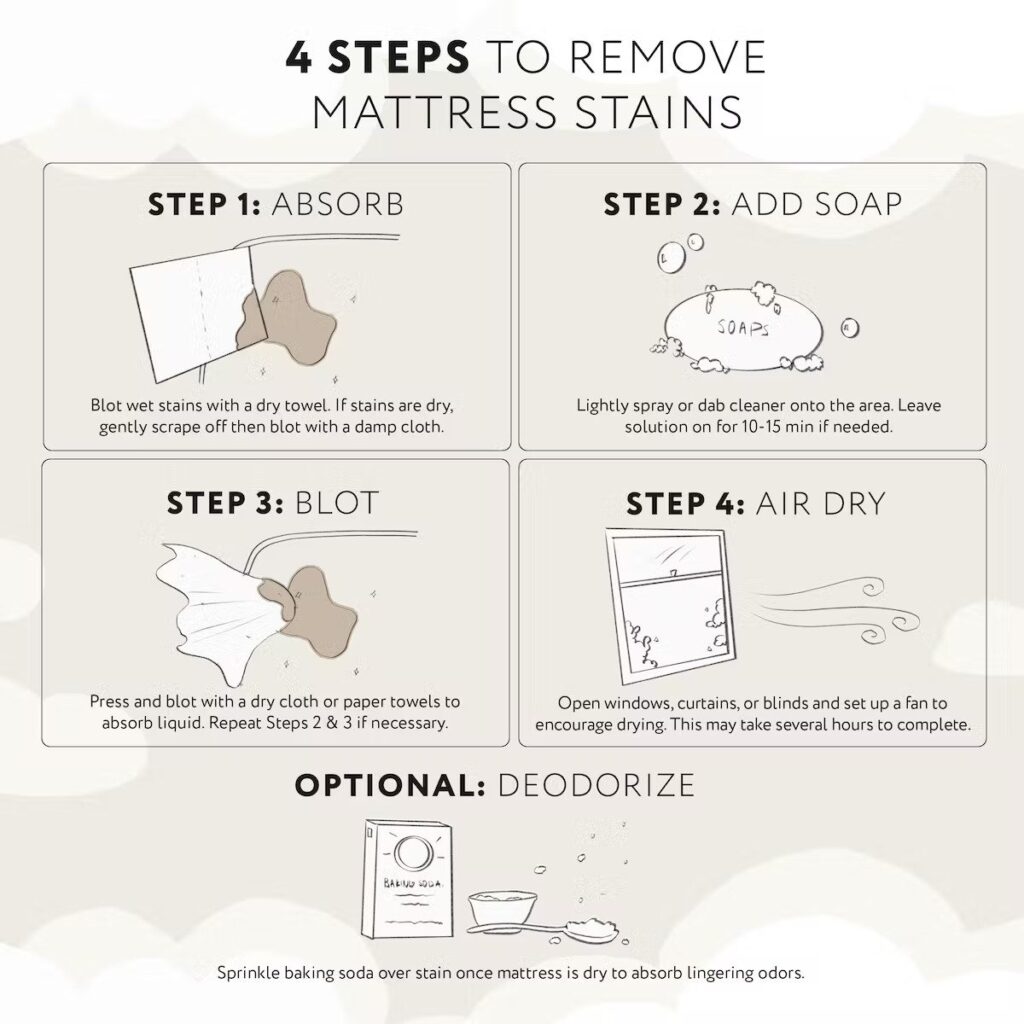
Acting fast when spills happen prevents liquids from penetrating deep into the mattress layers where they cause mold and odors.
General Deep Cleaning Twice a Year
Perform a full refresh every six months. Strip all bedding and wash it in hot water. Air out the mattress and vacuum thoroughly. Sprinkle baking soda evenly and let it sit 30 minutes to overnight. Vacuum again and let dry fully before remaking the bed.
Never soak the mattress because excess moisture causes mold, mildew, and foam breakdown.
Remove Specific Stains Safely
For water, juice, or coffee, mix 1 cup white vinegar, 1 cup water, and a few drops of dish soap. Spray lightly, wait 5 to 10 minutes, then blot dry. Apply baking soda, wait several hours, then vacuum.
For sweat and odors, vacuum first and use an enzyme-based cleaner that breaks down proteins. Blot gently and apply baking soda overnight.
For urine, blot excess, apply the vinegar solution, blot again, and sprinkle generous baking soda. Leave it overnight, then vacuum. Use enzyme cleaner for lingering smells.
For blood, use cold water only because hot water sets stains. Blot with cold water, apply enzyme cleaner, then rinse and blot dry.
For bed bugs, wash all bedding on high heat at 130 degrees or higher. Vacuum seams and tufts thoroughly. Apply bed bug-specific spray and install a bed bug-proof encasement. Call a pest control professional if needed.
Choosing the Correct Foundation for Support
The wrong base can cause sagging, noise, and premature failure. Matching your mattress to the right foundation is essential for performance and warranty validity.
Match Support to Mattress Type
Foam and hybrid mattresses need a solid platform or slatted frame with gaps no wider than 2.75 inches. Innerspring mattresses need a box spring or solid base. Adjustable beds require a compatible motorized base only.
Ensure Center Support for Large Sizes
Queen and king mattresses must have a center support beam with legs. Without it, the middle sags and leads to structural damage.
Replace Old Foundations
Old box springs develop wear patterns that shorten new mattress life. Replace both together when upgrading your mattress.
Avoid floor use because it traps moisture and attracts pests. If unavoidable, use breathable slats or a ventilated mat underneath.
When to Start Shopping for a Replacement
Even with perfect care, all mattresses eventually wear out. Knowing the signs helps you replace before sleep quality suffers.
Average Lifespan by Type
Latex lasts 7.5 to 12 years. Memory foam lasts 6 to 10 years or more. Hybrid lasts 6.5 to 10 years. Innerspring lasts 5 to 8 years. Heavier users over 230 pounds may see reduced lifespan.
Signs It Is Time for a New Mattress
Replace your mattress if you notice sagging or indentations deeper than 1.5 inches. Look for lumps or an uneven surface. Pay attention to waking with back, neck, or joint pain. Notice if you are tossing and turning or experiencing poor sleep quality. Watch for worsening allergy symptoms, noisy springs, or torn fabric. Consider replacement after 7 to 10 years, even if it looks okay.
Pro Tip: A 2 to 4 inch topper can extend usability by 1 to 2 years as a temporary fix.
Tailored Care for Different Mattress Types
Different materials have unique maintenance needs. Following the right routine keeps your specific mattress performing its best.
Innerspring Care
Flip only if double-sided. Rotate every 3 to 6 months. Vacuum only, avoiding liquids. Needs a box spring or solid base.
Memory Foam Care
Do not flip. Rotate every 3 to 6 months. Spot clean only, avoiding soaking. Use a solid or slatted base with gaps no wider than 3 inches.
Latex Care
Flip if two-sided. Rotate every 6 to 12 months. Clean with mild soap and water, avoiding harsh chemicals. Use a solid or slatted base.
Hybrid Care
Do not flip. Rotate every 3 to 6 months. Clean like memory foam. Must have center support.
Adjustable Base Care
No flipping or full vacuuming. Rotate monthly. Use only a compatible base. Clean gently with a damp cloth.
Always follow manufacturer instructions because zoned or specialty designs may have unique rules.
Keeping Your Warranty Valid
Proper maintenance is often a condition of warranty validity. Understanding these requirements protects your investment.
Meet Key Requirements
Most warranties require use of a proper foundation. You must use a mattress protector. The mattress must have no stains, burns, or physical damage. Regular rotation is required if applicable.
Avoid Voiding Coverage
Common warranty-voiding actions include using an incompatible foundation. Failing to protect against moisture or stains voids coverage. Attempting DIY repairs or not following cleaning instructions also voids the warranty.
Keep your law tag, receipt, and warranty card because they are needed for claims.
Proper Storage Techniques
If you need to store your mattress temporarily or long-term, proper technique prevents damage.
Short-Term Storage
Store flat, never on edge. Keep indoors in a dry, climate-controlled space. Avoid garages, sheds, or basements. Do not leave it on its side for more than a few hours because this can deform coils or foam.
Long-Term Storage
Clean and dry the mattress first. Wrap in a breathable storage bag, never plastic. Elevate on pallets or slats to avoid floor contact. Rotate every 2 to 3 months to prevent permanent compression.
Essential Care Checklist and Professional Recommendations
Following these expert-backed practices ensures your mattress delivers years of healthy, comfortable sleep.
Expert Recommendations
Mary Helen Rogers from the Better Sleep Council recommends using a waterproof protector from day one, rotating every 3 to 6 months, and replacing after 7 to 10 years. Azizi Seixas, PhD notes that your body notices comfort decline before your eyes, so evaluate every 7 years. Dan Selechnik, PhD from the American Cleaning Institute advises cleaning the mattress twice yearly and washing sheets weekly in hot water. Melanie Carver from the AAFA recommends AAFA-certified protectors for allergy sufferers and regular vacuuming of both mattress and box spring.
Mattress Care Checklist
Use a waterproof, breathable protector from day one. Rotate every 3 to 6 months, monthly for adjustable beds. Vacuum every 3 to 6 months, more often with allergies. Deep clean twice a year with baking soda. Wash sheets weekly in hot water. Air out the mattress daily by pulling back covers. Use a compatible foundation with center support for queen and king sizes. Inspect the foundation every 3 to 6 months. Replace the mattress after 7 to 10 years or when comfort declines.
Frequently Asked Questions About Mattress Care
How often should I rotate my mattress?
Rotate your mattress every 3 to 6 months for most models. If you have an adjustable bed, rotate monthly due to concentrated sitting pressure. New mattresses benefit from weekly rotation during the first three months.
Can I clean my mattress with water?
You should avoid soaking the mattress with water because excess moisture causes mold, mildew, and foam breakdown. For spot cleaning, use a damp cloth with mild soap, but always blot dry immediately and allow complete drying before remaking the bed.
How long does a mattress typically last?
Most mattresses last 5 to 10 years depending on type. Latex lasts 7.5 to 12 years, memory foam lasts 6 to 10 years, hybrid lasts 6.5 to 10 years, and innerspring lasts 5 to 8 years. Heavier users may experience shorter lifespans.
Does a mattress protector really make a difference?
Yes, a high-quality protector is one of the most effective investments in mattress longevity. It prevents stains, blocks dust mites and allergens, shields against moisture, and preserves warranty eligibility. Without one, your mattress becomes a breeding ground for allergens and odors.
What voids a mattress warranty?
Common warranty-voiding actions include using an incompatible foundation, failing to protect against moisture or stains, attempting DIY repairs, not following cleaning instructions, and removing the law tag. Always check your specific warranty terms.
How do I know when my mattress needs replacing?
Signs it is time for a new mattress include sagging or indentations deeper than 1.5 inches, lumps or uneven surface, waking with back or joint pain, poor sleep quality, worsening allergy symptoms, noisy springs, and age over 7 to 10 years even if it looks okay.
Key Takeaways for Maintaining Your Mattress
With consistent, simple care, your mattress can deliver years of healthy, comfortable sleep. You shed about 1 pound of dead skin each year and lose up to 10 ounces of fluid nightly, so without protection, your mattress becomes a breeding ground for dust mites, odors, and allergens. Now you know how to care for a mattress the right way. Protect it with a quality cover, rotate it regularly, clean it properly, support it with the correct foundation, and replace it on time. Treat it well, and it will return the favor, night after night.