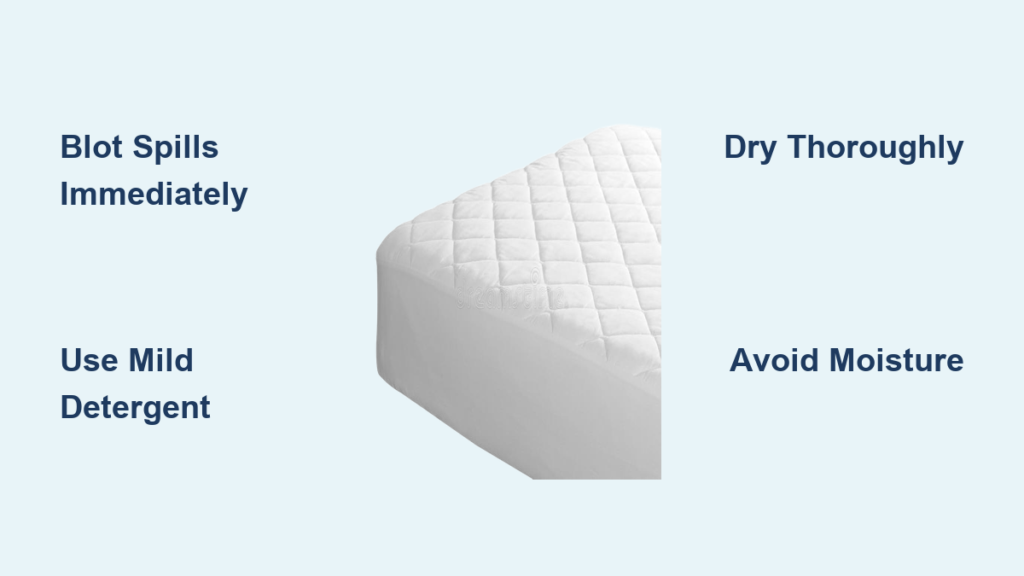
Spilled coffee during a morning scroll. Night sweats staining the surface. A pet or child accident that leaves a lingering odor. These are common realities of everyday life, and when they happen, the idea of dismantling your entire bed setup to remove and wash the mattress cover might feel overwhelming. The good news? You do not always need to take it off. For non-removable, zipless, or integrated mattress covers common in memory foam, hybrid, and smart beds, you can effectively clean and refresh the surface right where it lies.
This guide shows you exactly how to clean a mattress cover without removing it, using safe, low-moisture methods that protect your investment. Whether you are tackling a fresh spill, stubborn odor, or just routine grime, these proven techniques work across fabric types and mattress models. You will learn what tools to use, which cleaners to avoid, and how to dry thoroughly so you never risk mold, foam breakdown, or voiding your warranty.
Essential Safety Steps Before Cleaning

Before touching any cleaning solution, protect your mattress and yourself with these critical precautions. Taking a few minutes to prepare now can save you from costly damage later.
Always Blot, Never Rub
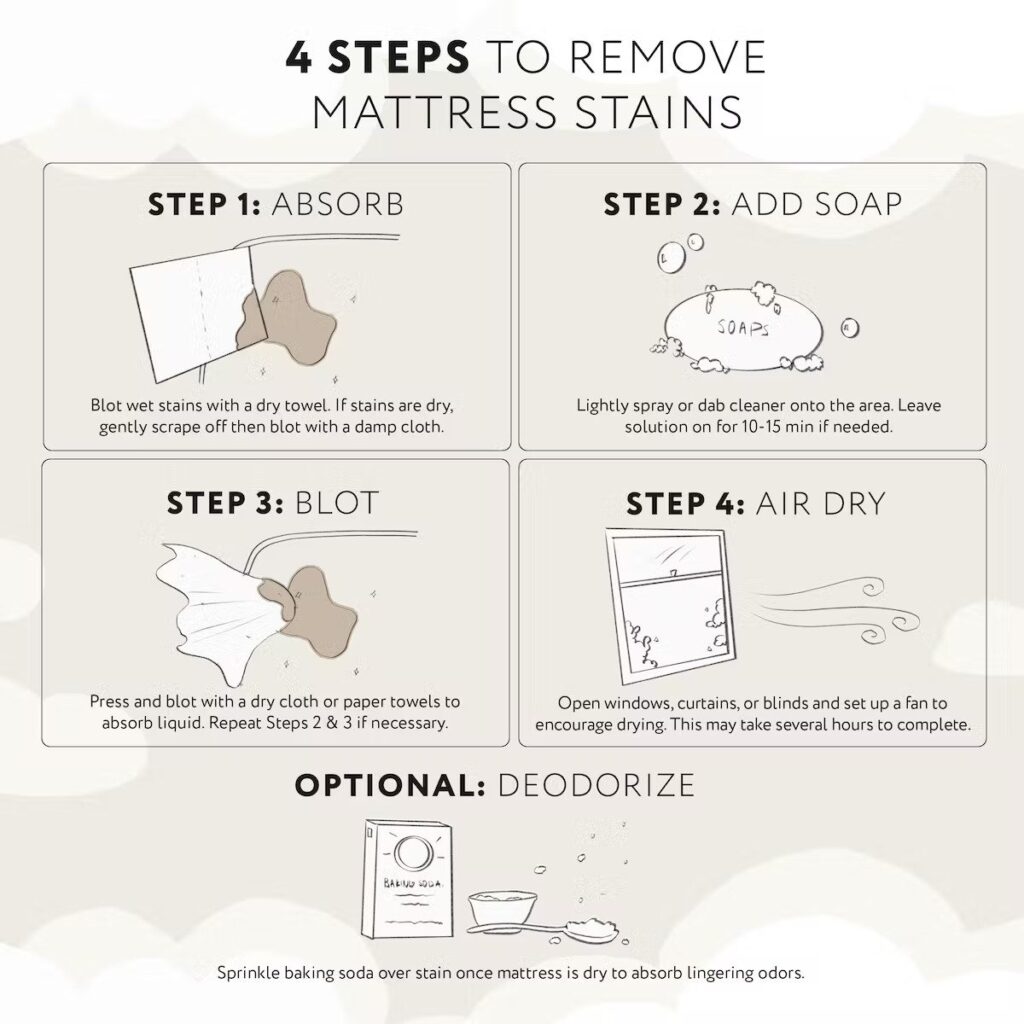
When a spill happens, act fast. Grab a clean, dry, white towel and press down firmly to absorb liquids. Rubbing spreads the stain and pushes moisture deeper into the cover and foam. Use a blotting motion, lift, press, repeat, until no more liquid transfers.
Pro Tip: Keep a dedicated stain-response kit nearby including white microfiber cloths, rubber gloves, and a small spray bottle.
Test Every Cleaner First
Even mild solutions can damage or discolor fabric. Always test on a hidden area like near the corner or under the fitted edge. Apply a small amount, wait 10 minutes, then check for color change, stiffness, or residue.
Avoid These at All Costs
Bleach and ammonia degrade fibers and waterproof coatings. Fabric softeners and stain guards leave residues that attract dirt. Air freshener sprays can cause shrinkage, discoloration, and mold. Rotating vacuum brushes pull threads and damage delicate weaves.
Vacuum the Surface Properly
Dust, dead skin, and allergens settle into the cover daily. Vacuuming removes them before liquids are applied, preventing mud-like residue from forming. This step is essential for maintaining a clean surface before any spot treatment.
Use the Right Attachment
Attach a non-bristled upholstery tool to your vacuum. Avoid beater bars or rotating brushes, which can fray fabric or damage foam layers. Hold the nozzle just above the surface and glide slowly over the entire area.
Focus on High-Risk Zones
Pay extra attention to seams and stitching, edges and corners, and areas under shoulders and hips where sweat accumulates. These zones collect the most buildup and need the most attention during vacuuming.
Frequency: Vacuum every 4 to 6 weeks. In homes with pets or allergies, do it monthly. For foam-based covers like egg crate pads, use low suction to avoid surface pitting or tearing.
Identify the Stain Type
Not all stains are treated the same. Matching your method to the specific spill gives you the best chance of complete removal without damaging the fabric.
Sweat and Body Oils
Yellowish marks or a musty smell indicate body oil and perspiration. These require degreasing action and odor absorption to fully eliminate.
Urine or Vomit
Protein-based stains need enzyme action to break down organic matter. Vinegar alone will not cut it for these tougher spills.
Blood
Always use cold water only. Heat sets the protein into the fabric, making the stain permanent and much harder to remove later.
Wine or Food Spills
These are tannin or sugar-based. A mix of hydrogen peroxide and mild soap lifts most of these common spills effectively.
General Odors
No visible stain but a stale smell? Use baking soda or activated charcoal for deep deodorizing without adding any moisture to the surface.
Apply the Right Cleaning Solution
Choose your method based on the stain, fabric type, and moisture tolerance of your specific mattress cover.
Water-Only Spot Cleaning
Best for smart beds, memory foam, or any cover with moisture restrictions. Dampen a clean white cloth with cold water. Gently dab the stain in circular motions. Blot dry with a second towel. Allow 3 to 4 hours to air dry completely.
This is the safest method with no chemicals and no risk of damage to sensitive materials.
Mild Detergent Mix
Best for general stains on cotton or durable blends. Mix 1 part mild liquid detergent with 2 parts water. Spray lightly or apply with a cloth, never soak the surface. Dab gently, then blot dry. Air dry completely.
Avoid high-pH detergents, bleach, or anything with added scents that could leave residue.
White Vinegar Solution
Best for disinfecting, mildew, and odor removal. Combine equal parts white vinegar and water. Lightly mist or dab onto the area. Wait 5 to 10 minutes. Blot with a damp cloth, then dry with a towel.
Test first, as vinegar may affect some waterproof coatings or dyes.
Enzyme Cleaner for Organic Stains
Best for urine, feces, and vomit. Spray directly on the stain. Let sit 15 to 20 minutes, do not rinse. Blot thoroughly with a dry towel. Do not apply heat.
Enzymes digest proteins, making this the only way to fully eliminate urine odor from the cover.
Hydrogen Peroxide Paste
Best for set-in or tough stains. Mix 8 oz hydrogen peroxide (3%), 3 tbsp baking soda, and a few drops of dish soap. Apply to stain. Let foam work for 10 to 30 minutes. Blot dry, then vacuum any residue.
Caution: This can bleach dark fabrics, so always patch test on an inconspicuous area first.
Baking Soda for Odors
Best for overnight deodorizing. Sprinkle a thin, even layer over the entire cover. Let sit 8 to 24 hours, overnight is ideal. Vacuum thoroughly.
For stronger action, lightly mist with vinegar first, wait 10 minutes, then add baking soda for a powerful odor-fighting combination.
Vodka or Rubbing Alcohol
Best for quick disinfecting and freshening. Fill a spray bottle with vodka (40%+) or 70% isopropyl alcohol. Lightly mist the surface. Blot with a clean cloth.
This evaporates fast, kills bacteria, and leaves no residue, perfect between deep cleans.
Dry the Cover Completely
Moisture is the enemy of mattress covers. A damp cover breeds mold, mildew, and causes foam decay that can ruin your mattress permanently.
Air Dry with Fans
Open windows or place fans around the bed. Circulating air cuts drying time in half. For surface cleaning, allow 3 to 4 hours. For deeper treatments, wait 8 to 24 hours.
Never Use Direct Heat
No hairdryers, no space heaters, no direct sunlight. Heat can melt waterproof layers, shrink fabric, or warp foam permanently.
Check for Hidden Dampness
Press a dry white towel against the cover. If it comes away damp, wait longer. For foam or thick pads, wait 24 to 72 hours before remaking the bed.
Pro Tip: If unsure, sprinkle a little baking soda, wait 8 hours, then vacuum. It absorbs residual moisture and confirms the area is dry.
Clean by Cover Type

Different materials react differently to cleaning. Match your method to your specific fabric for the best results without damage.
Cotton Covers
Safe for light moisture. Use cool water and mild detergent. Dry within 4 to 6 hours. Can handle vinegar or baking soda. Avoid oversaturation, as cotton holds water and can mildew.
Waterproof or Vinyl-Backed Covers
Resists liquids but traps moisture underneath. Clean with damp cloth only, never soak. Wipe gently, no scrubbing. Dry fabric side fully to prevent delamination. Never use bleach, as it breaks down the vinyl coating.
Foam-Based Covers
Extremely absorbent, use minimal liquid. Spot clean with vinegar-water or enzyme spray. Blot aggressively, use a wet/dry vac if available. Dry for 24 to 72 hours, turning if possible.
Waterlogged foam leads to mold and breakdown. Treat with extreme care.
Down-Filled Pads
Highly sensitive to moisture. Spot clean with low-sudsing or down-specific detergent. Blot immediately, damp down clumps and stinks. If wet for more than 15 minutes, remove and professionally clean.
Disinfect Without Wetting
Want to sanitize without adding moisture? These dry-safe methods kill bacteria and freshen the surface without any liquid.
Use Antibacterial Spray
Spray lightly over the surface. Let air dry. Choose non-toxic, fabric-safe formulas. Safe for weekly use. Ideal for allergy sufferers or post-illness cleaning.
Steam Clean with Caution
Use a handheld garment steamer. Apply 2 to 3 second bursts, keep moving continuously. Blot immediately with a dry towel.
Do not use on waterproof or foam-backed covers, as steam can damage internal layers.
Place Odor Absorbers
Activated charcoal bags placed under the fitted sheet absorb odors passively. Recharge in sun monthly. Dryer sheets placed under the top layer work well for non-smart beds. Replace every 1 to 2 weeks.
Avoid air freshener sprays, as they often do more harm than good.
Prevent Future Stains
The best cleaning is the one you avoid. These habits protect your cover and reduce the need for deep cleaning.
Use a Washable Mattress Protector
This is your first line of defense. Choose a fitted, waterproof, breathable protector. Wash it every 2 to 4 weeks to keep the cover underneath pristine.
Pro Tip: Have two protectors, one to use while the other is in the wash.
Clean Spills Immediately
The longer a spill sits, the harder it is to remove. Blot within minutes, not hours.
Vacuum Monthly
Dust and debris wear down fabric over time. A quick monthly vacuum keeps the surface clean and extends the life of your cover.
Rotate the Mattress
Every 6 to 12 months, rotate head-to-foot to even out wear and prevent permanent indentations.
Keep Food and Drinks Away
No eating in bed means fewer spills. It is that simple.
Special Rules for Smart Beds
Smart mattresses have sensors, electronics, and adjustable bases. Moisture is a major risk to these components.
Stick to Dry Methods
No liquids unless explicitly allowed. No steam, no sprays, no damp cloths unless directed. Use dry vacuuming and odor absorbers only.
Never Place Anything Under the Internal Cover
Dryer sheets, charcoal, or pads go under the fitted sheet or top protector, not between the cover and sensors. Anything underneath can interfere with movement or data tracking.
Follow Manufacturer Rules
Brands like Sleep Number, Eight Sleep, and Reverie have specific cleaning guidelines. Check your manual or website before doing anything.
When in doubt, contact customer support.
When to Replace the Cover
Even with proper care, covers wear out. Replace the cover if you notice liquids soaking through, tears or fraying, persistent odors after cleaning, stains that will not lift, or elastic corners stretched out. Manufacturer recommendations suggest replacement every 1 to 2 years.
A failing cover puts your entire mattress at risk.
Frequently Asked Questions About Cleaning a Mattress Cover Without Removing It
Can I machine wash a non-removable mattress cover?
No. Machine washing can cause shrinkage, delamination, or foam degradation. Only removable covers labeled as machine washable should be laundered in a washing machine.
How much water should I use when cleaning in place?
Use only enough water to dampen a cloth. Never soak the fabric. The goal is minimal moisture that evaporates quickly without penetrating into the foam layers.
What is the safest cleaning method for smart beds?
For smart beds, stick to dry methods only. Use a non-bristled vacuum attachment for regular maintenance and place odor absorbers like dryer sheets or activated charcoal under the fitted sheet, never under the internal cover.
How often should I deep clean my mattress cover in place?
Spot clean only as needed when spills occur. Vacuum every 1 to 2 months and deodorize monthly with baking soda or charcoal. This maintains hygiene without over-wetting the cover.
Can I use air freshener sprays on my mattress cover?
No. Air freshener sprays can soak into the fabric, cause shrinkage, discoloration, and create mold problems. Use dryer sheets or activated charcoal for odor control instead.
What vacuum attachment is safe for mattress covers?
Use a non-bristled upholstery tool. Avoid rotating brushes or beater bars, as these can pull threads, damage delicate fabric, or harm foam layers underneath.
Key Takeaways for Maintaining Your Mattress Cover
Cleaning a mattress cover without taking it off requires minimal moisture, gentle solutions, and thorough drying to protect your investment. Always blot spills immediately rather than rubbing, test any cleaner on a hidden area first, and use non-bristled vacuum attachments to remove dust and allergens safely.
Match your cleaning solution to the stain type and cover material. Enzyme cleaners work best for organic stains, baking soda handles odors, and vinegar solutions disinfect without harsh chemicals. For smart beds, stick exclusively to dry methods to avoid damaging sensors.
The most important defense is prevention. Use a washable mattress protector, clean spills right away, vacuum monthly, and rotate your mattress every 6 to 12 months. These habits keep your cover fresh and extend the life of your entire mattress.
This surface-level maintenance is not a replacement for deep cleaning when possible, but it effectively preserves your mattress between more thorough cleanings. By following these steps, you will keep your bed hygienic, fresh, and in good condition for years to come.