Spilled milk on your mattress can feel like a nightmare, especially for new parents who deal with nighttime feedings or breastfeeding leaks. Milk is rich in proteins, fats, and sugars that break down quickly when exposed to warmth, creating sour odors, stubborn stains, and potential mold growth if left untreated. The good news is that quick action and the right technique can save your mattress from permanent damage.
This guide provides a step-by-step approach to removing fresh or dried milk, eliminating stubborn smells, and protecting your mattress long-term. Whether it is breast milk, cow’s milk, or a plant-based alternative, you will learn exactly how to clean safely without damaging your bed or risking health hazards.
Blot Milk Immediately
Time is your biggest ally when milk spills on your mattress. The faster you act, the less liquid soaks into the fabric and foam layers beneath the surface.
Use Clean, White Towels
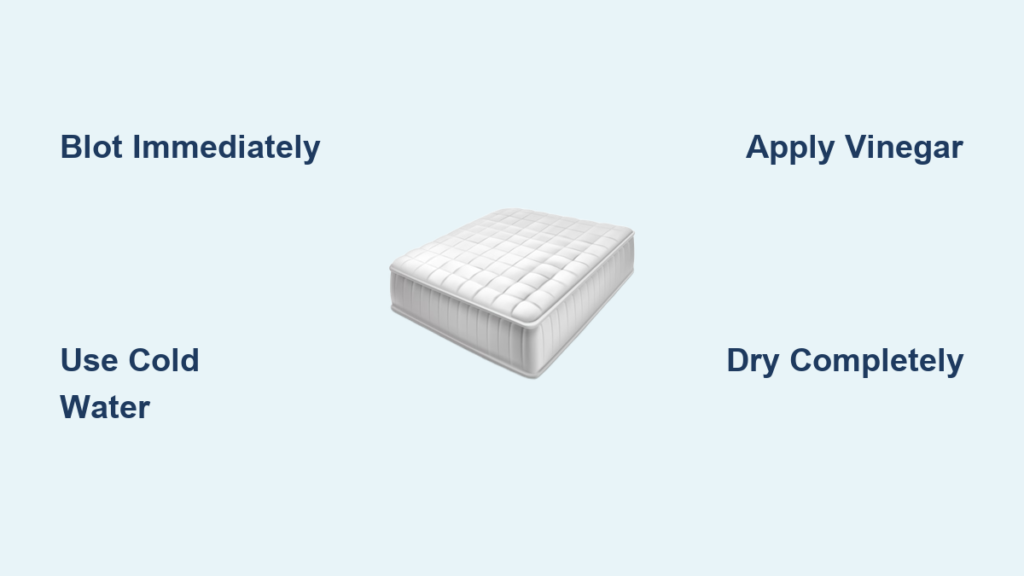
Grab white paper towels, microfiber cloths, or absorbent pads such as nursing pads. Press down firmly and lift straight up. Do not rub because rubbing spreads the spill and pushes milk deeper into the mattress. Work from the outer edges toward the center to prevent the spill from expanding. Replace towels frequently until no more moisture transfers to the cloth.
Colored cloths can bleed dye and make the stain worse, so always stick to white materials for blotting.
Remove and Wash Bedding
Strip off sheets, pillowcases, and mattress protectors immediately after blotting. Wash in hot water with regular detergent and run an extra rinse cycle to ensure all residue is removed. Air-dry completely before putting them back on the mattress.
Check your mattress protector for wear or thinning. If it failed to prevent the spill, it may be time to upgrade to a higher-quality option.
Why Fast Cleaning Matters
Milk spoils fast. Within hours, bacteria start breaking down the proteins and sugars in milk, causing serious problems for your mattress.
The decomposition process leads to sour, rancid odors that become increasingly difficult to remove. Proteins like casein coagulate when exposed to heat or time, making them harder to extract from fabric fibers. Mold and mildew can develop if moisture remains trapped in the mattress for more than 24 hours. The internal structure of your mattress, including foam and adhesives, can degrade when saturated with organic matter.
The longer you wait to clean, the deeper the milk penetrates and the more likely you will need professional cleaning services or a complete mattress replacement.
Gather the Right Supplies
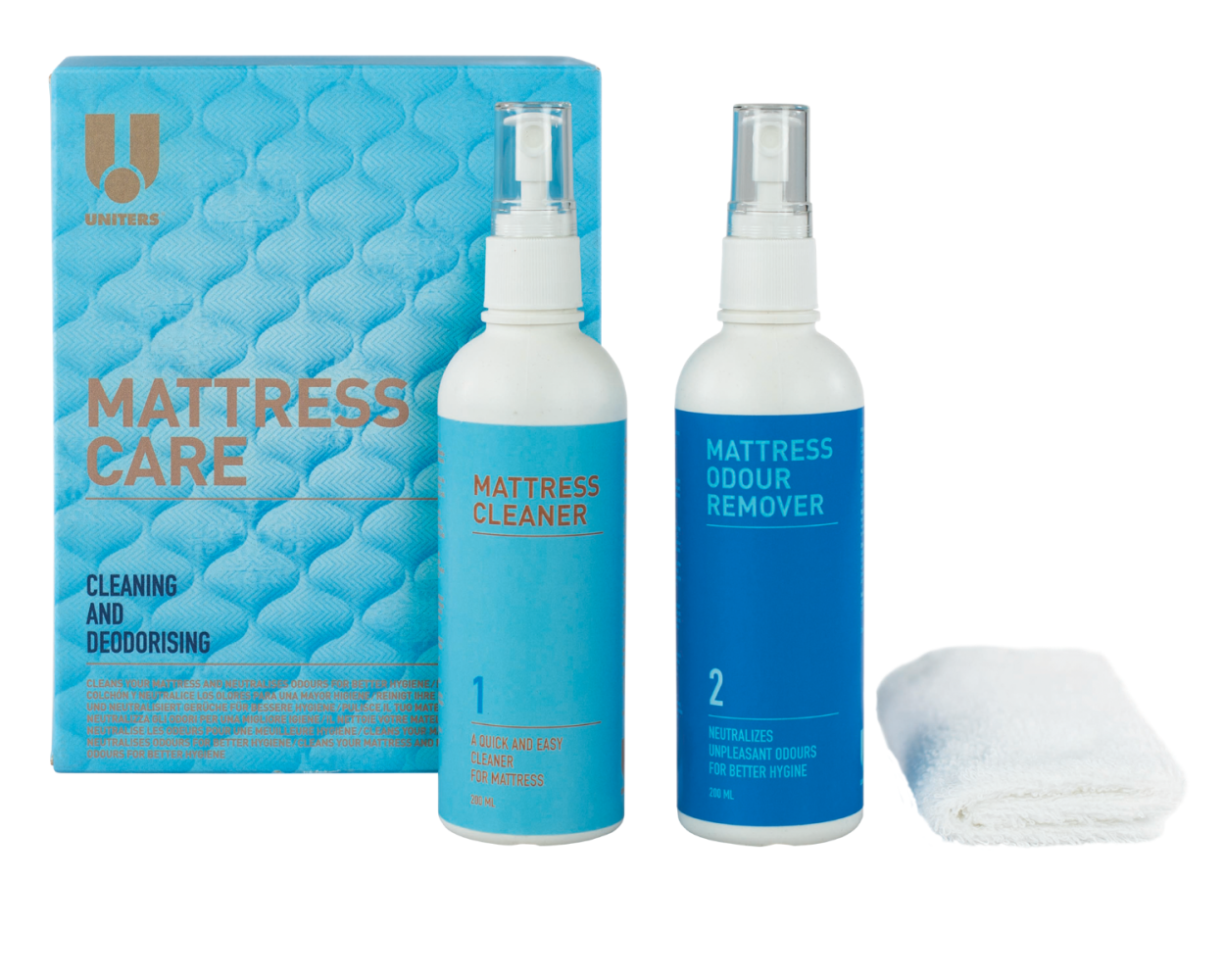
Using the proper supplies ensures effective cleaning without damaging your mattress.
Supplies you will need:
White cloths or paper towels for blotting without dye transfer
Mild dish soap such as Dawn to break down fats and proteins
White vinegar with 5% acidity to disinfect and neutralize odors
Baking soda to absorb moisture and deodorize
Spray bottle for applying solutions evenly
Vacuum with upholstery attachment to remove baking soda residue
Enzymatic cleaner for digesting dried or sour milk
Fans or dehumidifier to ensure thorough drying
Always test any cleaner on a hidden area of the mattress first to ensure it does not damage the fabric or cause discoloration.
Clean Fresh Milk Spills
Fresh spills respond best to cleaning when addressed within the first hour. The method below works best for milk that has not yet dried or curdled.
Blot and Wash with Cold Water
Blot thoroughly with white towels to remove as much liquid as possible. Mix one tablespoon of dish soap with two cups of cold water. Dampen a clean cloth with the solution and gently dab the area. Do not soak the mattress. Rinse by blotting with a clean cloth dampened with plain water. Blot dry with a fresh white towel.
Never use hot water on milk stains. Heat cooks the proteins and causes them to bond with the fabric, making the stain permanent.
Apply Vinegar and Baking Soda
Spray equal parts white vinegar and water onto the cleaned area. Blot dry with a clean towel. Sprinkle a thick layer of baking soda over the entire affected spot. Let this sit for six to eight hours, or overnight for best results. Vacuum the baking soda completely using an upholstery attachment.
This combination lifts remaining residue, kills bacteria, and neutralizes any lingering odors naturally.
Treat Dried or Sour Milk
Old spills require stronger action because the milk has already bonded with the mattress materials.
Use an Enzymatic Cleaner
Enzymes digest milk at the molecular level, breaking down proteins and fats that cause odors and stains.
Option one: Commercial enzymatic spray. Try products such as Nature is Miracle, Rocco and Roxie, or Simple Solution. Spray generously on the stain. Wait 20 to 30 minutes without blotting. Blot with a damp cloth afterward. Let dry naturally because enzymes need time to work.
Option two: DIY vinegar solution. Mix equal parts white vinegar and water in a spray bottle. Spray the area and wait 30 minutes. Blot dry, then follow with a baking soda treatment.
Rehydrate First for Crusted Residue
For dried or crusted milk, place a damp cloth on the spot for 10 to 15 minutes to soften the residue. Then clean using the fresh milk method above. This pre-soaking step helps the cleaning solution penetrate deeper.
Deep Clean with Steam
Steam cleaning provides a powerful option for tough, deep-set stains or persistent odors.
Use a Steam Cleaner Safely
Choose a handheld or full-size steam cleaner with a fabric-safe setting. Use low moisture mode and avoid flooding the mattress. Move the nozzle slowly and evenly across the surface. Allow the mattress to dry completely for 24 to 48 hours afterward.
Caution is important when using steam on mattresses. Too much heat or moisture can warp foam or damage the internal structure. Do not linger in one spot.
Dry the Mattress Completely
Incomplete drying leads to mold growth and recurring smells that are difficult to eliminate.
Speed Up Drying
Place two to three fans around the bed pointing toward the mattress. Open windows to create cross-ventilation. Use a dehumidifier to pull moisture from the air. Elevate the mattress with blocks or books to allow air to circulate underneath.
How Long to Dry
A standard mattress needs at least 24 hours to dry completely. Memory foam or pillow-top mattresses require 36 to 48 hours due to their denser construction.
Check for Dampness
Press a clean white towel against the cleaned area. If it comes away damp, keep drying. For certainty, use a moisture meter available at hardware stores.
Never sleep on a damp mattress. Mold and allergens can develop in as little as 24 hours.
Kill Sour Milk Smell
If the smell lingers after cleaning, bacteria or residue remains deep in the mattress layers.
Double Baking Soda Treatment
Apply a thick layer of baking soda over the smelly area. Let it sit for 12 to 24 hours. Vacuum thoroughly. Repeat if the smell persists.
Spray with Undiluted Vinegar
Lightly mist white vinegar on the affected areas. Wait 10 to 15 minutes. Blot dry, then apply baking soda and let sit overnight. Vacuum completely.
The vinegar smell disappears once the area dries completely.
Try Enzyme Odor Eliminator
Spray an enzymatic odor eliminator such as Nature is Miracle on the area. Let it dry naturally without blotting or wiping. Enzymes need time to digest odor-causing residue, so allow 12 to 24 hours for full effectiveness.
Clean by Mattress Type

Different mattresses require different care approaches to avoid damage.
Memory Foam
Memory foam is highly absorbent, so use minimal liquid when cleaning. Apply solutions with a spray bottle rather than soaking. Increase drying time to 36 to 48 hours. Use enzyme sprays instead of wet wiping to prevent oversaturation.
Pillow-Top
Thick padding traps liquid easily, so clean gently without scrubbing. Multiple treatments may be necessary for thorough cleaning. Consider using a carpet extractor for deep cleaning the thick layers.
Innerspring
Liquid can seep into the coils and reach the sides and bottom of the mattress. Prop the mattress upright to drain trapped moisture. Dry fully to prevent rust and structural damage to the springs.
Natural Latex
Latex is naturally resistant to mold and bacteria, but still needs prompt cleaning. Use gentle, plant-based cleaners. Due to its density, allow at least 24 hours for complete drying.
Avoid These Mistakes
Certain actions can make the stain worse or damage your mattress permanently.
Do not use bleach. Bleach damages fabric fibers, breaks down adhesives, voids the warranty, and can set protein stains.
Do not scrub the stain. Rubbing pushes milk deeper into the fabric and spreads the mess.
Do not use hot water. Heat cooks the proteins and makes stains permanent.
Do not soak the mattress. Excess water causes mold, warps foam, and weakens glue.
Do not pour cleaner directly on the mattress. This leads to pooling and deep saturation into inner layers.
Do not use a hairdryer. Direct heat sets stains and only dries the surface while leaving interior layers damp.
Do not sleep on a damp mattress. This risks mold growth, allergies, and respiratory issues.
Prevent Future Spills
Protection is easier than cleanup, so invest in preventive measures.
Use a Waterproof Mattress Protector
Choose a zippered, fully encased cover that creates a complete barrier. Look for breathable materials such as TENCEL, bamboo, or organic cotton with polyurethane backing. Ensure the protector is certified for safety and comfort.
Replace mattress protectors every one to two years. Inspect monthly for tears, thinning, or reduced water resistance.
Keep a Spill Kit Handy
Store these items near your bed for quick response. White microfiber cloths, a spray bottle with vinegar and water mixed, baking soda, and an enzymatic cleaner.
Additional Prevention Tips
Avoid eating or drinking in bed, especially dairy products. Use burp cloths during night feeds. Train family members on proper spill response. Use a nightlight to reduce accidents when getting up in the dark.
Handle Non-Dairy and Thick Spills
Yogurt and ice cream require slightly different treatment than liquid milk.
Yogurt or Ice Cream
Scrape off excess with a spoon. Blot with a damp cloth to remove remaining residue. Clean with cold soapy water. Rinse, blot dry, and apply baking soda to absorb moisture and prevent odors.
Almond, Oat, or Soy Milk
These alternatives contain less protein and fat, making them easier to clean. Blot immediately. Wash with cool water and mild soap. Use baking soda if any faint odor remains.
When to Replace the Mattress
Some damage cannot be fixed with cleaning alone.
Signs You Need a New Mattress
A persistent sour smell after two thorough cleanings indicates deep saturation. Visible mold appearing as black, green, or gray spots requires replacement. Sagging or soft spots in the foam indicate structural damage from moisture. Allergy symptoms such as coughing or sneezing when sleeping may signal mold inside the mattress.
One user warned that milk absolutely stinks after a few weeks, and the mattress may need replacing.
Insurance Options
House contents insurance may cover sudden, accidental damage to your mattress. Document the spill and your cleaning attempts with photos. Replacement costs range from $100 to $200 for professional cleaning or a new mattress.
Frequently Asked Questions About Cleaning Milk Off a Mattress
Can I sleep on the mattress after cleaning?
Only when completely dry. Wait 24 to 48 hours depending on your mattress type. Test by pressing a clean white towel to the area. If it comes away damp, continue drying.
Can I use bleach to remove milk stains?
Never use bleach. It damages fabric fibers, weakens adhesives, and can make protein stains worse. Use white vinegar and baking soda instead for safe, effective cleaning.
How do I know if mold is growing inside my mattress?
Look for a musty, mildew-like odor. Check for discoloration such as black, green, or gray spots. Pay attention to allergy symptoms like coughing or sneezing that improve when you are away from the bed.
What if the smell will not go away?
Try an enzymatic cleaner followed by an extended 24-hour baking soda treatment. If the smell persists after two rounds of treatment, consider professional cleaning or mattress replacement.
How often should I clean my mattress?
Spot clean spills immediately when they occur. Deep clean every six to 12 months using baking soda and vacuuming. Rotate the mattress every three to six months for even wear.
Key Takeaways for Cleaning Milk Off a Mattress
Acting fast is the most important factor in saving your mattress. Blot immediately within the first five to ten minutes, using white towels and working from edges inward. Use cold water and mild dish soap for initial cleaning, then follow with vinegar and baking soda to neutralize odors and absorb moisture. For old or sour-smelling stains, enzymatic cleaners are essential for breaking down proteins at the molecular level. Dry thoroughly using fans and dehumidifiers, waiting 24 to 48 hours before sleeping on the mattress again. Investing in a quality waterproof mattress protector is your best defense against future spills.
With the right steps and quick action, you can save your mattress, eliminate odors, and keep your bed fresh and clean for years to come.