You wake up to a wet bed or discover a soaked mattress after an accident, spill, or leak. Whether it’s from bedwetting, a pet incident, or a spilled drink, a soaked mattress demands immediate attention. Left untreated, moisture seeps deep into foam, padding, or coils, creating the perfect breeding ground for mold, mildew, bacteria, and stubborn odors. The longer you wait, the higher the risk of permanent damage and health hazards.
The good news? With the right steps, most soaked mattresses can be saved, especially if you act fast. This guide gives you a complete, step-by-step plan to extract moisture, eliminate stains and odors, and dry your mattress safely, no matter the cause or mattress type. From blotting techniques to enzyme treatments and professional-grade drying methods, you will learn how to restore your mattress effectively and prevent future issues.
Strip and Blot Immediately
Remove All Bedding First
Start by stripping the bed completely. Take off sheets, pillowcases, mattress toppers, and waterproof protectors. Wash these separately, especially if bodily fluids like urine or vomit were involved. Follow fabric care labels. Use hot water for sanitization when safe, and add vinegar or enzyme detergent for odor removal.
Blot, Don’t Rub
Use clean, dry towels or paper towels to apply firm, steady pressure over the wet area. Press down and hold for 10 to 15 seconds, then lift. Do not wipe or rub, which pushes liquid deeper and spreads contaminants. Replace towels as they soak through. Repeat until minimal moisture transfers.
Use a Wet/Dry Vacuum
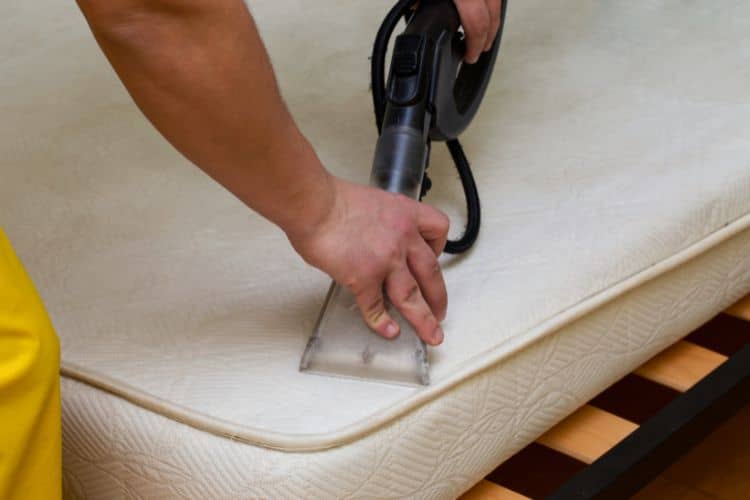
If available, a shop vac or wet/dry vacuum dramatically speeds up moisture extraction. Pass the nozzle slowly over the soaked zone, using gentle suction to pull water from inner layers. This is especially effective for memory foam or hybrid mattresses where liquid penetrates deeply.
Assess the Type of Soak
Urine: High-Risk Contamination
Urine leaves behind alkaline salts and urea, which break down into ammonia with a pH of 11 to 12. Even after surface drying, residues attract moisture and reactivate odors. Look for yellowish stains and a sharp, ammonia-like smell. Treat with enzymatic cleaners. Never use just water or vinegar alone on urine.
Sweat and Bodily Fluids
Common near the head or torso, sweat contains urea, lactic acid, and proteins. Over time, it causes musty odors and feeds dust mites. Multiple small yellow spots are a telltale sign. Enzyme treatment is essential to break down organic compounds.
Spills: Coffee, Wine, Milk
Sugary or pigmented liquids may not smell at first but ferment if not cleaned. Coffee and wine can stain. Milk breeds bacteria. Act quickly and treat like organic spills even if the liquid seems clean, since microbes thrive in damp environments.
Extract Deep Moisture
Towel-and-Weight Method
For lingering dampness, place a thick, dry towel over the spot. Cover with cardboard or newspaper to distribute weight. Stack heavy books or weights on top. Leave overnight for 8 to 12 hours. Capillary action pulls trapped moisture upward into the towel. Replace the towel if saturated and repeat.
Stomp to Force Out Liquid
In a garage or outdoor space, lay a dry towel over the damp area. Gently stomp or jump on it to compress the mattress. Replace the towel after each pass. Mechanical pressure forces water out. Avoid this method on innerspring models to prevent coil damage.
Use a Hand-Held Extractor
Professionals use tools like the Sapphire hand tool, which injects low-moisture solution and vacuums it out immediately. This method cleans deeply without oversaturating. It is ideal for urine or repeated accidents.
Treat With Enzyme Cleaner
Why Enzymes Work Best
Enzymatic cleaners contain protease, urease, and other biological agents that digest proteins and urea. They eliminate odor at the source. Unlike masking sprays, they prevent pets from re-soiling and stop odors from returning.
Application Steps
Blot the area thoroughly first. Spray a commercial enzyme cleaner or homemade mix (1 tablespoon biological laundry powder per liter of water). Apply generously to penetrate deep into fibers. Let sit for 20 to 30 minutes. Do not wipe or blot during dwell time. Blot again to remove liquefied residue.
Neutralize With Vinegar Solution
Balance pH After Enzymes
Urine residues are alkaline. White vinegar (5% acetic acid) neutralizes pH, deodorizes, and disinfects. Mix equal parts vinegar and water in a spray bottle.
How to Apply
Lightly mist the treated area. Wait 5 to 10 minutes. Blot thoroughly with a clean cloth. Rinse with a damp microfiber cloth and blot again. Never use vinegar alone on fresh urine, as it locks in odor without breaking down proteins.
Remove Stains With Peroxide
Hydrogen Peroxide for Tough Stains
3% hydrogen peroxide lifts blood, sweat, and organic stains. Mix with a few drops of dish soap in a bowl.
Spot Test First
Apply a small amount to a hidden seam or corner. Wait 10 minutes. If no discoloration or foam degradation occurs, proceed.
Application
Apply sparingly. Do not soak. Let sit 10 to 15 minutes. Blot gently. Rinse with clean water and blot dry. Peroxide can bleach fabric and degrade latex. Use only when necessary and in minimal amounts.
Deodorize and Dry Completely

Apply Baking Soda
After cleaning, sprinkle baking soda generously over the entire surface. For light odors, wait 15 to 30 minutes. For strong smells, leave overnight. Vacuum thoroughly with a HEPA-filter vacuum to remove all residue and trapped allergens.
Paste for Deep Moisture
For lingering dampness, mix baking soda with water to form a thick paste. Apply to the wet zone. Let dry completely for 8 to 12 hours. Scrape off and vacuum. For extreme cases, use unscented clumping cat litter to draw out deep moisture. Leave 4 to 6 hours, then vacuum carefully.
Dry the Mattress Thoroughly
Set Up for Maximum Airflow
Prop the mattress vertically or on chairs to expose both sides. Place box fans or air movers to blow across the surface and edges. Run a dehumidifier in the room set to 30 to 50% humidity. Use a space heater on low and keep it 3 feet or more away. Avoid direct sunlight, as it can fade fabric and damage foam.
Drying Time by Saturation
Light spills take 6 to 12 hours to dry. Moderate soaks require 12 to 24 hours. Deep saturation in memory foam takes 24 to 48 hours or more. Never remount bedding until the mattress is fully dry inside and out.
Check Dryness Before Use
Touch Test
Press firmly on the center, edges, and seams. No coolness or dampness should be felt.
Smell Test
Sniff closely. No musty, sour, or chemical odors should be present.
Visual Inspection
Look for fuzzy spots (mold), discoloration, or soft, spongy areas that indicate internal breakdown. Use a moisture meter for peace of mind. Readings above 15% indicate unsafe moisture levels.
Prevent Future Soaks
Use a Waterproof Mattress Protector
Choose a fully encased, breathable protector made of polyurethane laminate (PUL), TENCEL with moisture barrier, or bamboo fabric with waterproof backing. Wash every 1 to 2 months. It blocks liquids, sweat, allergens, and dust mites.
Avoid Common Mistakes
Never use bleach, as it damages fibers, emits fumes, and degrades foam. Skip steam cleaning, as excess heat and moisture can delaminate layers. Do not machine wash the mattress, as this causes irreversible structural damage.
Maintain Regularly
Rotate the mattress every 3 to 6 months. Vacuum monthly with a HEPA filter. Deodorize with baking soda every 3 to 6 months, even if no accidents occur.
Know When to Replace
DIY vs. Professional vs. Disposal
Small water spills and single urine accidents can be handled with DIY cleaning and thorough drying. Repeated bedwetting may require professional cleaning or a new mattress. Flood-level soaking means disposal immediately, as contamination is irreversible. Visible mold or soft spots mean replacement is necessary. Mold in a mattress can cause allergies, respiratory issues, and chronic fatigue.
Frequently Asked Questions About Cleaning a Soaked Mattress
How Long Does It Take to Dry a Soaked Mattress Completely?
Drying time depends on saturation level. Light spills take 6 to 12 hours. Moderate soaking takes 12 to 24 hours. Deep saturation in memory foam requires 24 to 48 hours or longer. Using fans, a dehumidifier, and proper airflow speeds up the process significantly.
Can I Save a Mattress That Has Been soaked With Urine?
Yes, a urine-soaked mattress can often be saved with immediate action. Blot excess liquid, apply enzyme cleaner to break down urea and proteins, neutralize with vinegar, and dry thoroughly. The key is acting within the first 15 to 30 minutes and ensuring complete drying to prevent odor recurrence and mold growth.
What Is the Best Way to Remove Old Urine Stains From a Mattress?
For old urine stains, start by blotting any dried residue. Apply an enzymatic cleaner and let it sit for 20 to 30 minutes. Blot and then spray with a vinegar solution (equal parts vinegar and water). Let sit 5 to 10 minutes, then blot dry. Sprinkle baking soda overnight, then vacuum thoroughly.
Should I Use a Steam Cleaner on a Soaked Mattress?
No, avoid steam cleaning. The excess heat and moisture can delaminate foam layers, degrade glue bonds, and warp springs. Steam can also push water deeper into the mattress, making drying more difficult and increasing mold risk.
How Do I Know if My Mattress Has Mold After Getting Wet?
Check for fuzzy or dark spots on the surface. Smell for musty or sour odors that do not disappear after cleaning. Feel for soft or spongy areas that indicate internal breakdown. If mold is visible or odor persists after thorough cleaning and drying, replace the mattress immediately.
What Should I Do if My Mattress Smells Musty After Drying?
If a musty smell persists, moisture remains trapped inside. Set up fans, a dehumidifier, and ensure proper airflow around all sides of the mattress. Apply baking soda paste to absorbing areas and leave it overnight. Vacuum thoroughly. If odor persists, professional remediation or replacement may be necessary.
Key Takeaways for Saving Your Soaked Mattress
Acting fast is the most critical factor in saving a soaked mattress. Blot immediately, treat with enzyme cleaner to break down organic matter, and ensure thorough drying with proper airflow. Never skip the drying phase or rush reassembly, as trapped moisture leads to mold and structural damage. Use a waterproof mattress protector going forward to prevent future incidents. When in doubt, err on the side of caution. If mold is present or the core is compromised, replace the mattress. Your health is worth more than a mattress.