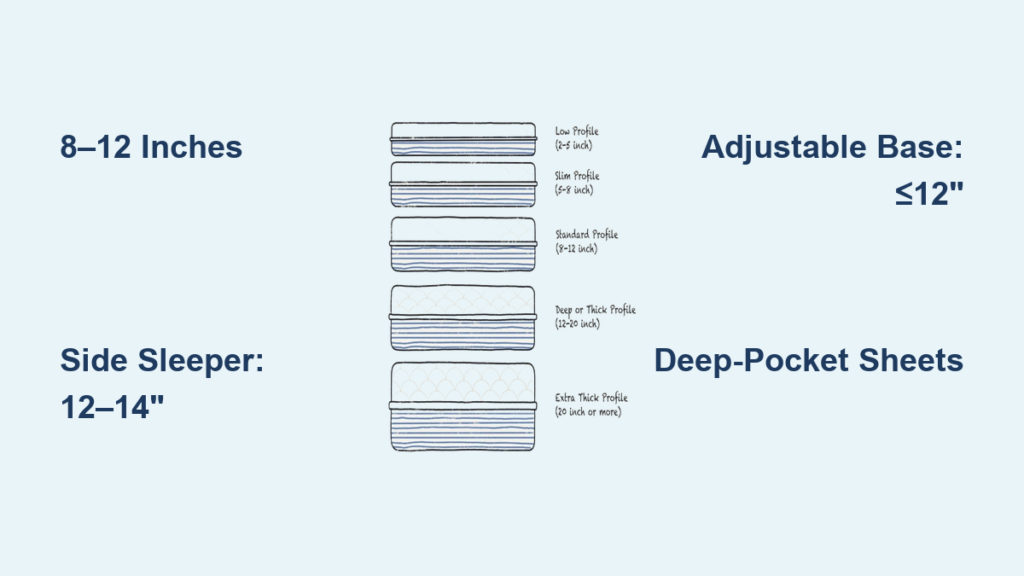
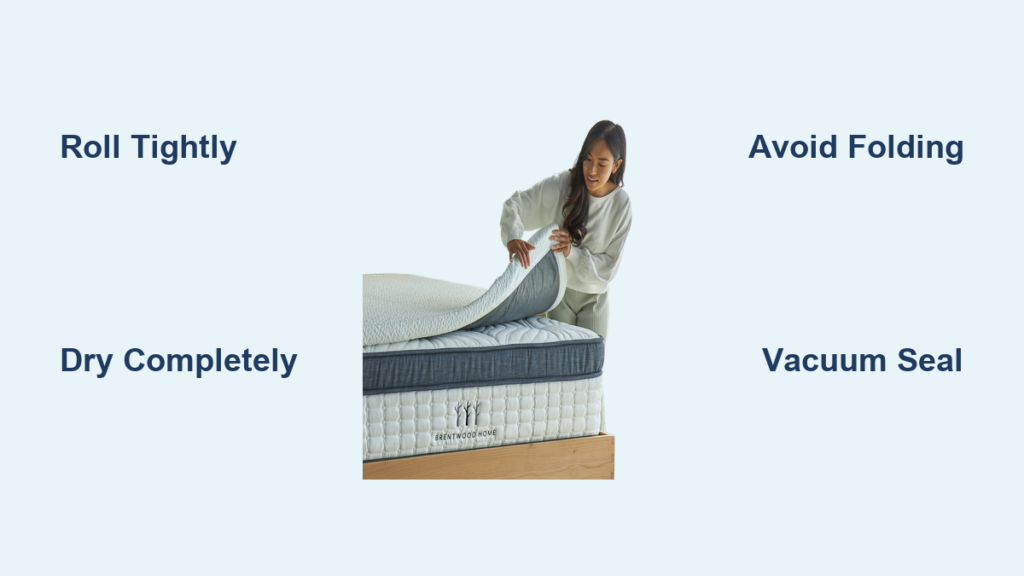
You’ve decided to store or move your foam mattress topper, but one wrong move could leave it cracked, smelly, or permanently misshapen. Whether it’s memory foam, latex, or a hybrid blend, these delicate materials demand careful handling. Rolling instead of folding, drying thoroughly, and vacuum sealing properly aren’t just tips—they’re non-negotiables for preserving comfort and longevity.
This guide walks you through every stage, from cleaning and drying to rolling, sealing, and storing, so your foam stays in peak condition. You’ll learn exactly which tools to use, what mistakes to avoid, and how to handle different foam types.
How to Clean Your Foam Mattress Topper Before Packing

Before packing, remove all bedding and inspect for stains, odors, or spills. A dirty topper traps bacteria and mildew, especially in sealed storage. Cleaning now prevents problems later.
Spot Cleaning Memory Foam and Latex Toppers
Never soak or machine wash memory foam or natural latex. Instead, use these gentle methods.
Mix mild detergent with water in a 1:2 ratio. Dampen a clean cloth, never saturate the foam. Blot stains gently, avoiding scrubbing motions. Wipe with a second damp cloth to rinse. Press dry with a towel.
For deep odors, sprinkle baking soda evenly across the surface. Wait 2 to 6 hours. Vacuum thoroughly using a hose attachment.
Some high-density foams allow light hand-washing, but submersion is strictly off-limits.
Washing Polyester-Blend Toppers Safely
If your topper has a removable cover or is made of synthetic fibers, machine wash on gentle cycle using cold water and mild detergent. Air-dry completely, never using dryer heat.
Always check manufacturer labels before any cleaning.
Why Drying Your Topper Completely Is Essential
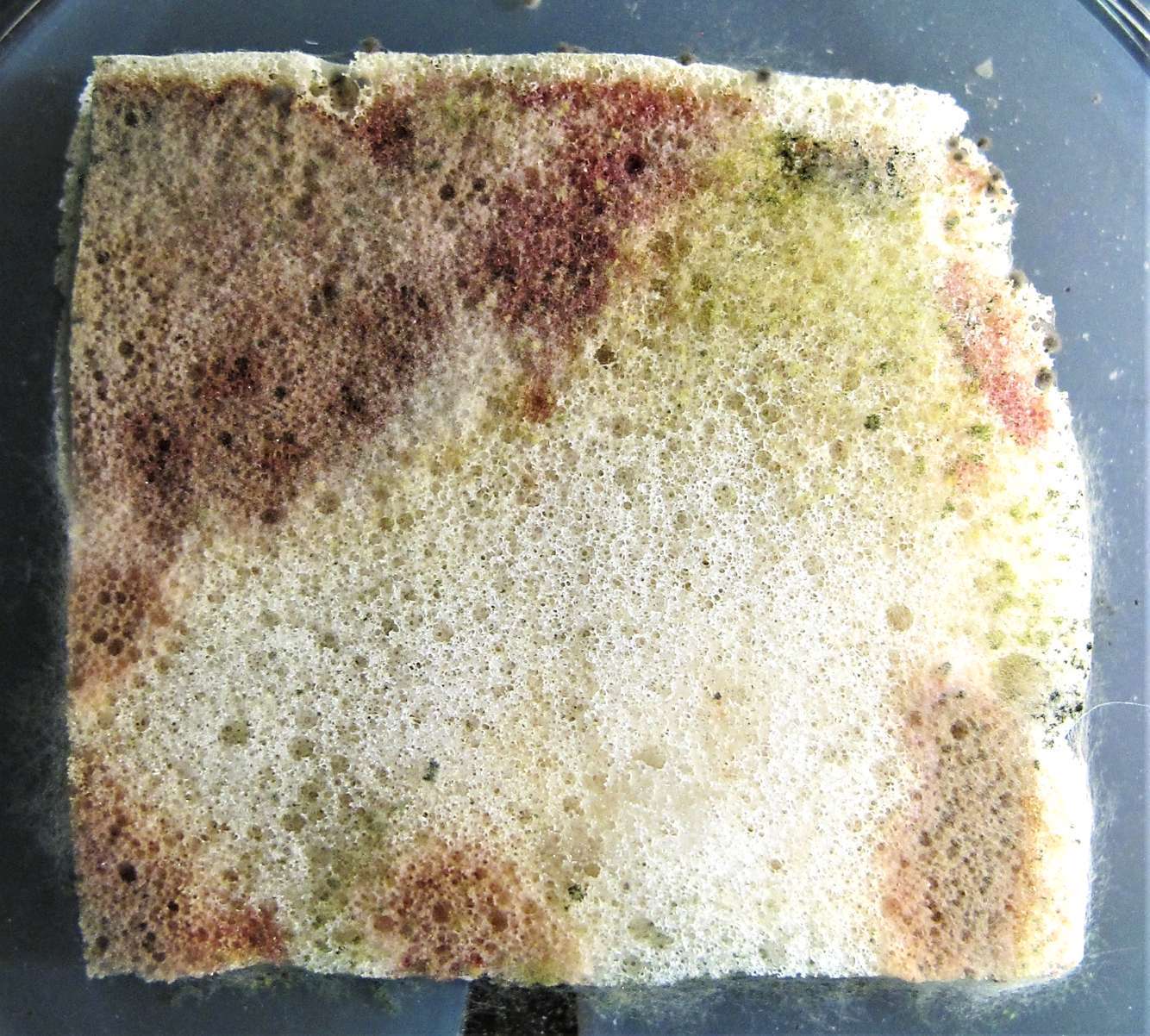
Moisture is the number one enemy of stored foam. Even slight dampness breeds mold and weakens foam structure. Skipping this step risks irreversible damage.
Air-Dry Indoors for 24 or More Hours
Lay the topper flat on a clean, dry surface. Elevate on towels or a drying rack. Rotate every few hours for even drying. Keep away from direct sunlight and heaters.
Do not use hairdryers, clothes dryers, or direct sunlight. Heat damages foam polymers, and UV rays break down the material.
Verify Full Dryness Before Proceeding
Use three quick checks before packing. The touch test: no cool or damp spots. The smell test: no musty or humid odor. Wait longer if unsure, because foam holds moisture deep inside.
The Correct Way to Roll a Foam Mattress Topper
Folding creates sharp creases that crush foam cells permanently. Rolling is the only safe method for packing a foam mattress topper.
Roll Tightly from End to End
Lay the topper flat on a clean floor. Start at the foot end and roll toward the head. Apply firm, even pressure to squeeze out air. Roll as tight as a yoga mat.
Roll lengthwise along the longest side for maximum compactness. Use two people for queen or king sizes to prevent kinking.
Avoid folding before rolling, bending or twisting the foam, or loose rolling that increases size and risk of unrolling.
Securing Your Rolled Foam Topper for Storage
A loose roll unravels during transport or storage. Lock it in place with proper ties.
Use Straps or Strong Ties
Wrap the roll at one-third and two-thirds points along its length. Use included straps, cotton ribbons, or padded zip ties. Knot tightly with no slack.
Never use thin twine that cuts into foam, rubber bands that degrade over time, or metal wire that damages material. Two secure ties are essential for stability.
Selecting the Best Storage Bag for Foam Toppers
The wrong bag traps moisture or fails under pressure. Pick one based on your specific needs.
Best Bag Options by Purpose
For long-term storage, use a vacuum-sealable bag with a valve. For product returns, use original packaging or a U-Haul reusable bag. For short-term storage, use a breathable cotton or polyester duffel. For under-bed use, use a sturdy plastic bin with a lid.
U-Haul reusable bags cost $3 to $4 and are accepted by many brands if the original box is gone. Avoid cheap plastic bags that trap humidity and encourage mold.
Vacuum Sealing Your Foam Topper: Step-by-Step
Vacuum sealing reduces volume by up to 80 percent, ideal for small spaces or shipping. Follow these steps carefully.
Seal with a Shop Vac
Place the rolled topper in a vacuum storage bag. Close the zipper fully. Attach a shop vac hose to the valve. Run the vacuum until the bag is tightly compressed. While still running, seal the valve or twist the opening shut. Tape the twist for extra security.
Alternative tools include a household vacuum (less powerful) or a hand pump (slow and labor-intensive).
Limit Compression Time
Do not exceed 10 minutes under vacuum. Avoid prolonged sealing, maximum 6 months. Over-compression damages foam resilience. High-density foam recovers well, but extended pressure reduces bounce-back.
Ideal Storage Conditions for Foam Mattress Toppers
Temperature and humidity matter more than you think when storing foam materials.
Recommended Storage Environment
The safe temperature range is 55°F to 80°F. Keep humidity low to moderate. Avoid direct sunlight. Ensure moderate ventilation.
Best locations include a linen closet, under-bed storage if dry, a climate-controlled storage unit, or an interior room with stable temperatures.
Avoid garage spaces with temperature swings, attics that trap heat, basements unless dehumidified, and outdoor sheds. Heat softens foam, cold makes it brittle, and UV rays break down polymers.
How to Package a Foam Topper for Returns
Returning a topper requires following brand guidelines exactly or risking rejection.
Pack for Return in 3 Steps
Insert the vacuum-sealed roll into the plastic sleeve if provided. Place inside the original box. Seal with strong packing tape and attach the return label.
No original box? Use a double-walled cardboard box sized to fit snugly. Many warranties are voided if the topper is folded or improperly packed.
Common Mistakes to Avoid When Packing Foam
Even small errors cause big problems down the line. Protect your investment by avoiding these pitfalls.
Top Packing Mistakes and Solutions
Folding instead of rolling causes permanent creases—always roll tightly. Packing while damp leads to mold and odor—dry 24 or more hours indoors. Using non-breathable bags long-term creates moisture buildup—use vacuum or breathable bags only as intended. Storing in garage or attic results in foam degradation—choose climate-controlled space. Placing heavy items on top causes sagging and compression—store flat with no weight on top. Skipping cleaning leads to bacteria and stains—clean and deodorize first.
One shortcut can ruin months of use.
Packing Different Types of Foam Toppers

Different foams react differently to compression and storage. Know your material.
Memory Foam: Most Sensitive
Memory foam regains shape slowly, requiring 24 to 72 hours after unrolling. Avoid vacuum sealing longer than 6 months. Never store compressed for years. High-density types recover better than low-density.
Latex Foam: More Resilient
Latex handles tighter rolling and resists mold and odors naturally. Still requires dry, cool storage. Avoid folding, because even natural latex cracks under sharp bends.
Check manufacturer instructions specific to your model.
Maintaining Your Foam Topper in Long-Term Storage
Even properly packed toppers need occasional checks to stay in good condition.
Inspect Every 6 Months
Unroll briefly to air out. Sniff for musty odors. Look for pests or moisture. Re-vacuum seal if needed.
Optional refresh steps include reapplying baking soda for odor control and rotating position if stacked. This simple routine extends usable life up to 5 years.
Tools and Supplies Needed for Packing
Be ready with the right gear before starting the packing process.
Packing Checklist
You will need mild detergent for spot cleaning, baking soda for deodorizing, clean towels for drying, a vacuum with hose for cleaning and sealing, a vacuum storage bag for compression, straps or ribbons for securing the roll, sealing tape for closing bags and boxes, and a double-walled box for shipping or protection.
Having everything on hand prevents rushed, risky shortcuts.
Frequently Asked Questions About Packing Foam Mattress Toppers
Can I fold my foam mattress topper to save space?
Never fold a foam mattress topper. Folding creates permanent creases that damage the internal cell structure. Always roll tightly from end to end instead.
How long can I keep a foam topper vacuum sealed?
Limit vacuum sealing to a maximum of 6 months. Prolonged compression can reduce the foam’s bounce-back ability and permanently affect its comfort properties.
Will my foam topper smell after storage?
A slight new foam smell is normal and dissipates within 24 to 48 hours of unrolling. Musty odors indicate moisture was present during storage, meaning the topper wasn’t fully dry before packing.
Can I store my foam topper in the garage?
Avoid storing foam toppers in garages, attics, or basements unless climate-controlled. Temperature swings and humidity cause foam degradation and mold growth.
How long does it take for a rolled foam topper to regain its shape?
High-density memory foam typically recovers 90 to 95 percent of its original thickness within 48 hours. Full recovery can take up to 72 hours for lower-density foams.
Key Takeaways for Packing Your Foam Mattress Topper
Packing a foam mattress topper isn’t just about saving space, it’s about protecting your sleep investment. Clean thoroughly using appropriate methods for your foam type. Dry completely for at least 24 hours indoors. Roll tightly from one end to the other, never fold. Secure with straps and store in a climate-controlled environment between 55°F and 80°F.
Whether you’re moving, rotating seasons, or returning a product, following these steps keeps your foam in top shape for years to come. Inspect every 6 months during long-term storage, and your topper will be ready to perform like new when you unroll it.