Waking up to a damp, musty smell under your mattress? You’re not alone. Every night, your body releases up to half a liter of moisture through sweat, and this humidity can sink into your mattress base, creating trapped dampness that breeds mold and weakens your mattress structure. The real danger is that you might not see the damage until it’s too late.
Preventing moisture under your mattress isn’t just about comfort. It’s about protecting your health and extending your mattress lifespan. Whether you sleep on a memory foam bed in a humid apartment, a foam mattress in an RV, or a hybrid on a solid platform, hidden condensation is a silent threat. This guide reveals exactly how to keep your mattress dry, from airflow hacks and foundation fixes to humidity control and maintenance routines.
Optimize Your Bed Foundation

A poorly designed base is often the root cause of moisture buildup. Solid platforms, floor contact, and wide slat gaps trap humid air, creating a damp breeding ground. Fixing your foundation is the first and most effective step.
Use Slatted Frames With Proper Spacing
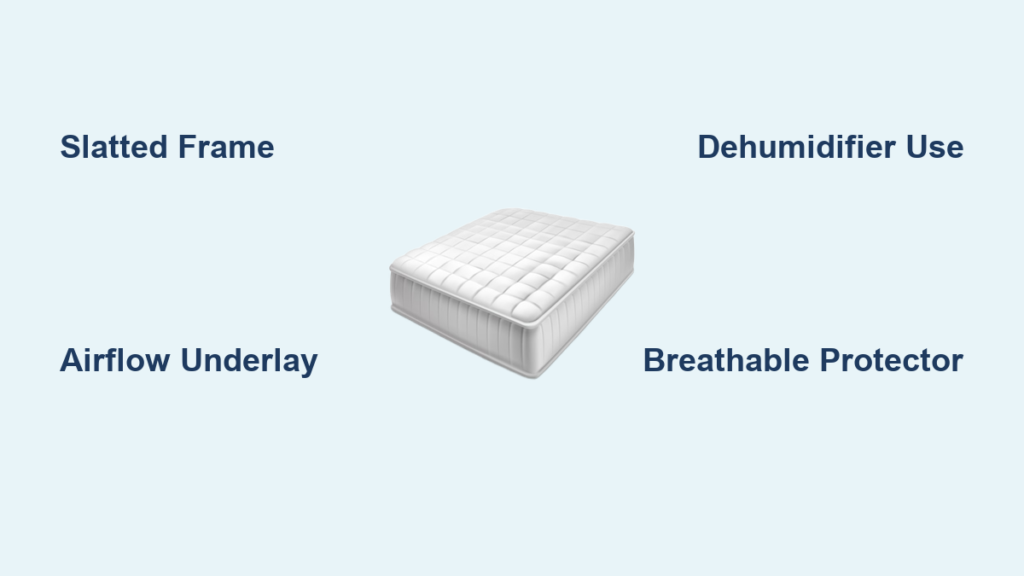
Wood or metal slat frames are the gold standard for airflow. Unlike solid platforms, slats allow air to circulate freely beneath the mattress, helping moisture evaporate overnight.
Keep slat gaps at 3 inches or less for foam or hybrid mattresses. For innerspring mattresses, up to 4 inches is acceptable, but tighter spacing offers better support and ventilation. For queen, king, or RV-sized beds, always use a center support leg to prevent sagging and bowing. This keeps the mattress flat, avoids pressure points, and maintains even airflow across the entire surface.
Avoid Floor and Solid Platform Placement
Placing a mattress directly on carpet, plywood, or concrete is a recipe for moisture damage. These surfaces block airflow and can wick humidity upward, especially in basements or coastal homes.
If you must use a solid platform, drill ventilation holes in a staggered grid pattern every 6 to 8 inches across the sleep area. Sand and seal the holes to prevent splinters, then pair with a breathable airflow underlay for maximum effect.
Upgrade RV and Boat Foundations
RVs and boats are high-risk zones due to cold decks, poor insulation, and temperature swings. Warm body heat meets cold surfaces, causing condensation underneath the mattress.
Fix this with 3D spacer mesh, polymer mesh barriers, or netted airflow mats. These lightweight, trim-to-fit layers create a permanent 0.5 to 1 inch air gap, lifting the mattress off cold surfaces and allowing continuous ventilation. Install one piece vertically for smaller beds, or two pieces taped together for wider RV queen or king setups.
Install Under-Mattress Ventilation
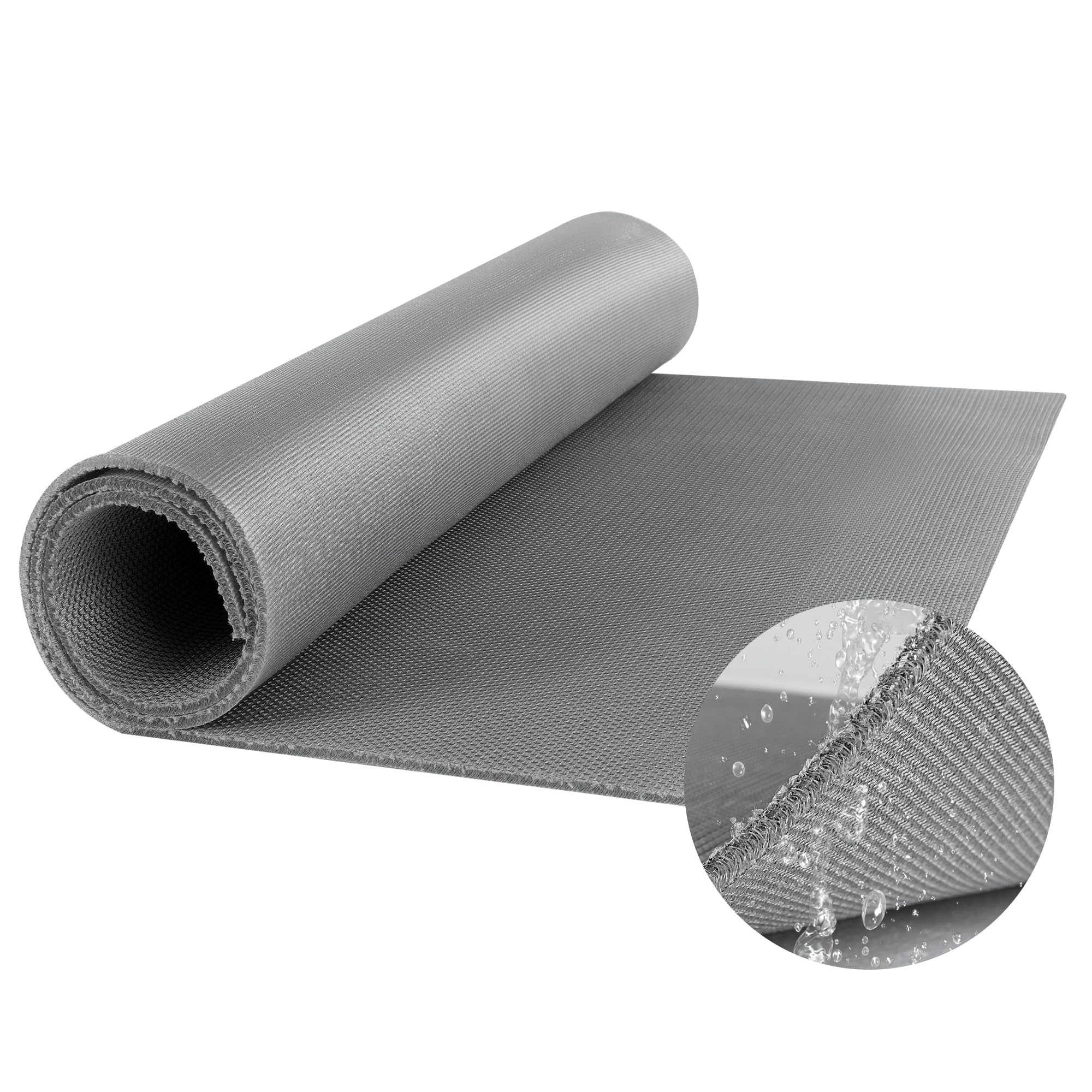
Even with slats, some beds need extra airflow help. Foam mattresses in tight spaces especially benefit from ventilation underlays, which are low-profile, high-impact tools for keeping the underside dry.
Choose the Right Airflow Underlay
Not all underlays are equal. Pick one that maintains space under pressure and suits your sleeping environment.
3D spacer mesh works best for homes, RVs, and boats. It features a soft, breathable weave that maintains an air gap. Polymer mesh barrier is ideal for heavy sleepers and long-term use because its rigid structure won’t compress over time. Netted airflow mat is a budget-conscious option that provides lightweight, full-coverage ventilation.
Trim each underlay to fit your mattress size with sharp scissors, leaving a small edge gap to allow air to flow around the perimeter.
Use Hypervent Aire-Flow for Custom Fit
The Hypervent Aire-Flow is a top-tier polymer underlay designed for high-performance moisture prevention. It’s ideal for RVs, memory foam beds, and cold environments.
For mattress sizes from 24 by 72 inches to 39 by 80 inches, use 1 piece at 7 feet placed vertically. For sizes from 42 by 80 inches to 48 by 80 inches, use 2 pieces at 8 feet placed horizontally and taped together. For larger sizes from 52 by 70 inches to 60 by 80 inches, use 2 pieces at 9 to 10 feet. For the largest beds from 70 by 80 inches to 76 by 80 inches, use 2 pieces at 12 feet placed horizontally.
Note that these are custom-cut and non-returnable, so measure carefully before ordering.
Control Room Humidity Levels
No matter how good your bed setup is, high humidity will defeat it. Keeping the air dry is essential to stop moisture before it forms.
Maintain Ideal Humidity and Temperature
Keep relative humidity below 50 to 60 percent. Aim for sleep temperature between 60 and 67 degrees Fahrenheit. Use a hygrometer to monitor humidity daily, as many smart models include alerts when levels rise.
Use a Dehumidifier in High-Moisture Areas
In basements, coastal homes, or rainy seasons, a dehumidifier is your best defense. It actively pulls moisture from the air, reducing the chance of condensation under your mattress.
Run your dehumidifier daily during humid months and empty the water tank regularly. Place it near the bed but not directly under it for best results.
Add Passive Moisture Absorbers
For smaller spaces or RVs, passive desiccants work well between active drying cycles. Silica gel packets can be placed under the platform or in storage compartments. Activated charcoal bags absorb odors and moisture and can be recharged in sunlight monthly. Rechargeable desiccant buckets are ideal for closets or under-bed storage.
Replace or recharge all desiccants monthly for continued effectiveness.
Insulate Cold Surfaces in RVs and Cabins
Cold decks in RVs act as condensation magnets. Warm air from your body hits the chilled surface and turns to water.
Fix this by installing thin rigid insulation panels on the floor or wall. Never place the mattress directly on insulation. Always add a ventilated air gap between the insulation and mattress to prevent thermal bridging, where heat escapes through uninsulated spots.
Use Breathable Mattress Protectors

Your top layer matters just as much as the bottom. The wrong protector can trap sweat and make moisture problems worse.
Choose Breathable, Waterproof Protectors
Avoid plastic or vinyl covers. They block evaporation and turn your mattress into a steam chamber.
Instead, pick protectors with moisture-wicking membranes, cotton, TENCEL, or bamboo tops, and hypoallergenic, mold-resistant finishes. These allow sweat to escape while blocking spills and allergens.
Use a breathable protector on top and an airflow solution under the mattress for the best results.
Pick the Right Bedding Materials
Your sheets and blankets influence how much moisture stays in the mattress.
Best choices include cotton sheets, which are breathable and absorbent, bamboo or TENCEL comforters that wick moisture and regulate temperature, and wool blankets that are naturally antimicrobial and moisture-wicking.
Avoid heavy synthetic comforters, vinyl or PU-coated mattress covers, and non-breathable down alternatives.
Pro tip: Fold back your bedding each morning. Letting the mattress breathe for a few hours reduces overnight moisture buildup.
Select a Moisture-Resistant Mattress
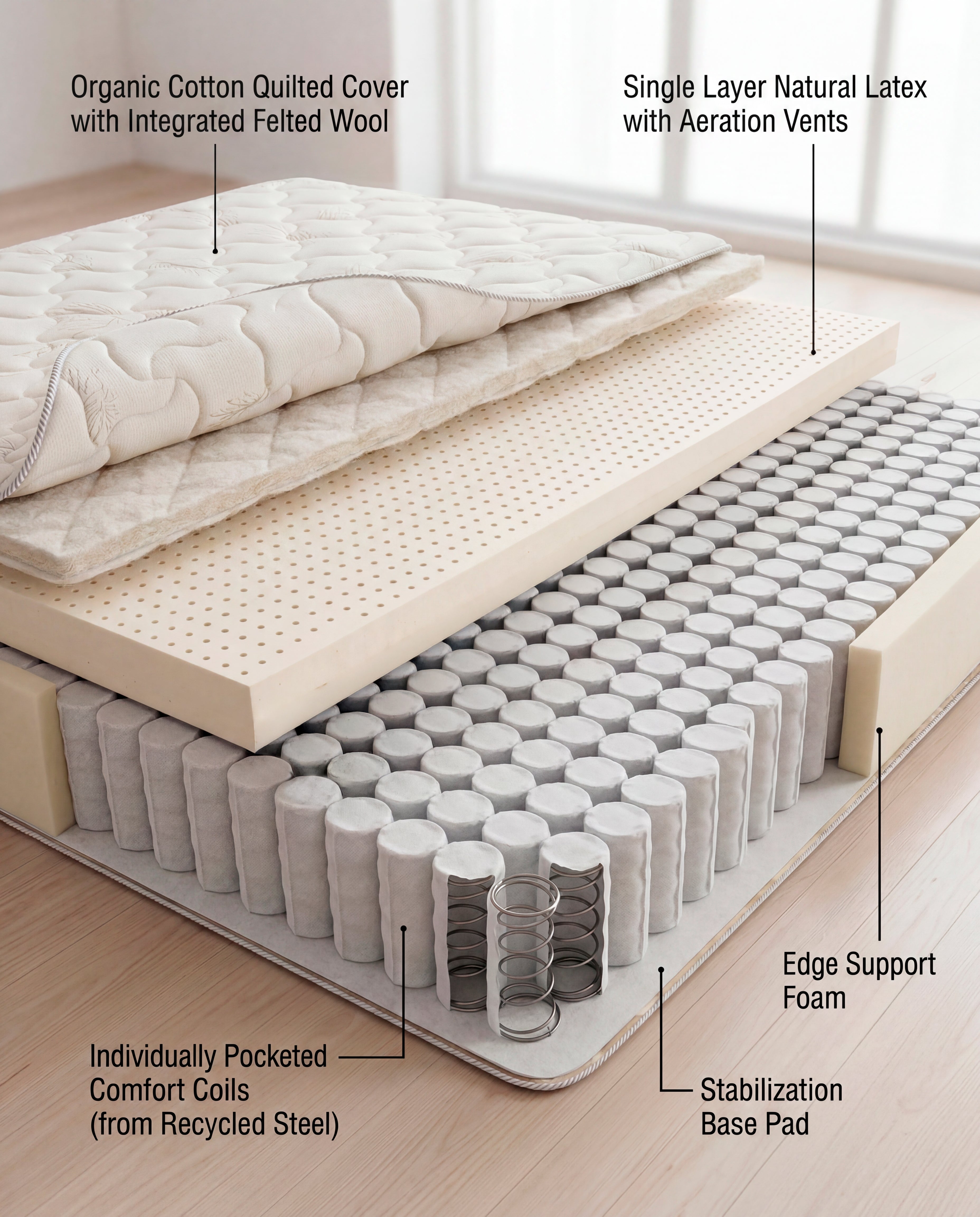
Not all mattresses handle humidity the same. Some materials trap moisture while others fight it naturally.
Choose Organic Latex or Hybrid Models
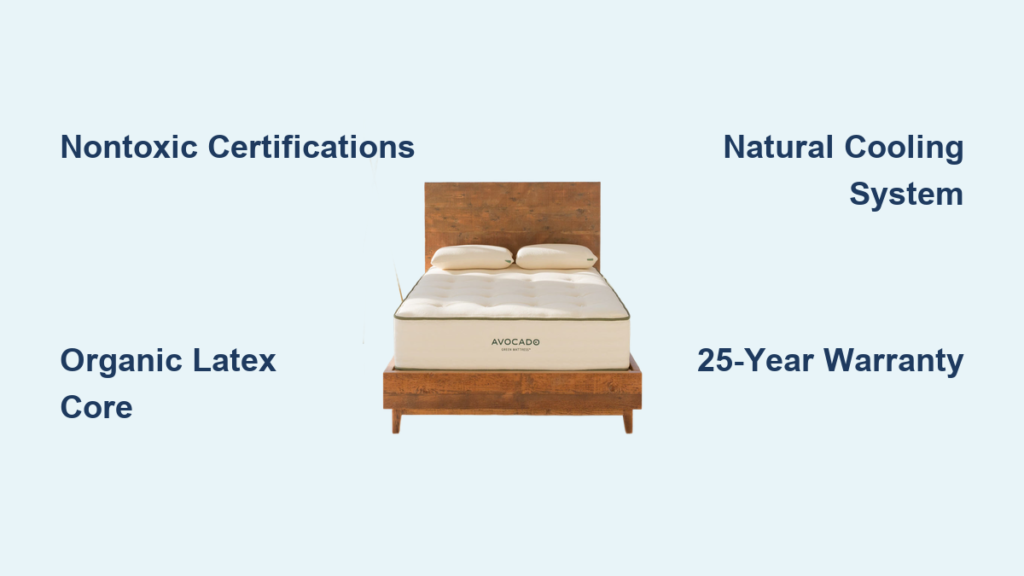
Organic latex is naturally breathable and resists mold, mildew, and dust mites. Look for GOLS certification for organic safety. Hybrid or innerspring models feature coils that promote airflow, combining support with breathability. They’re better than solid foam in humid climates.
Avoid Low-Density Memory Foam
Traditional memory foam is dense and heat-retentive, slowing sweat evaporation. The moisture sinks down and gets trapped, especially in solid-base models.
If you love foam, choose open-cell or gel-infused memory foam. Ensure it’s paired with a slatted base and airflow underlay. Avoid models with solid base layers. Instead, look for perforated or ventilated support cores.
Look for Mold-Resistant Features
Some brands engineer mold protection directly into the foam. Essentia’s 8th Key Element features high-acidity organic foam that inhibits mold growth. It’s lab-tested to resist mold in high-humidity environments and proven effective in independent humidity chamber tests.
For allergy sufferers, Essentia foam has also been tested by Dr. Robert G. Hamilton at Johns Hopkins and found impervious to dust mites.
Adopt Daily and Weekly Habits
Even the best setup needs maintenance. Simple routines keep moisture from creeping back in.
Air Out the Mattress Monthly
Every 1 to 2 weeks, remove all bedding and lift the mattress to prop it vertically against the wall. Let both sides air for 2 to 4 hours. Use a fan or open a window to speed drying. This simple act removes trapped humidity and refreshes the foam.
Rotate the Mattress Every 3 to 6 Months
Regular rotation prevents body impressions that trap moisture, evens out wear, and extends mattress life by years. Flip or rotate depending on your model, and check manufacturer guidelines for specific recommendations.
Clean and Inspect the Underside
Monthly, check for dampness, discoloration, or musty odors. Wipe the platform with a mild, safe cleaner if needed. Replace airflow underlays if they’re compressed, sagging, or holding moisture. A quick inspection can catch problems before they become health hazards.
Ventilate During Daily Activities
Steam from showers, cooking, or humidifiers can raise bedroom humidity fast. Run bathroom and kitchen exhaust fans. Crack a window after showering. Use RV roof vents when parked. Avoid placing humidifiers near the bed.
Keep sleeping zones dry and well-ventilated.
Emergency: Fix a Wet Mattress Fast
If you’ve already found moisture, act immediately. A damp mattress can grow mold in 24 to 48 hours.
Remove Moisture and Dry Thoroughly
Strip all bedding first. Blot wet areas with dry towels. Prop the mattress on its side or vertically. Use fans, dehumidifiers, or sunlight to dry completely. Never sleep on a damp mattress because the risk of mold inhalation is too high.
Neutralize Odors With Baking Soda
After drying, sprinkle baking soda on both sides. Let it sit for 2 to 4 hours, then vacuum thoroughly. Baking soda pulls out residual moisture and eliminates musty smells.
Use Heat Carefully
A hair dryer on low works for small damp spots, but keep moving and avoid overheating foam. A space heater can be used with ventilation but never leave it unattended. The best method is a fan plus dehumidifier combo for safe, full drying.
Prop the mattress up, run a fan, and vent the space. Let it stay open until bone dry.
Special Cases and Pro Tips
Some environments and lifestyles need extra precautions.
Protect RV and Coastal Beds
High-risk environments include those with temperature swings, proximity to water, and sealed compartments. Solutions include installing airflow underlay, drilling vent holes in decks, using desiccants in storage bays, and propping up beds with gas struts when not in use.
Handle New Mattresses Properly
A new mattress may feel slightly humid from packaging. This is normal. Unwrap and air out for 24 to 48 hours. If you see visible moisture, inspect for damage or improper storage.
Support Health-Sensitive Sleepers
For those with asthma, allergies, or mold sensitivity, keep humidity below 50 percent. Use mold-resistant latex or hybrid mattresses. Clean and inspect weekly. Act immediately on any sign of dampness.
Frequently Asked Questions About Preventing Moisture Under Mattress
What should I do if the bottom of my mattress gets wet?
Remove all bedding immediately, blot excess moisture with dry towels, and prop the mattress vertically or on its edge. Use fans and a dehumidifier to dry the space thoroughly. Sprinkle baking soda on both sides, let it sit for 2 to 4 hours, then vacuum to absorb remaining moisture and neutralize odors.
Is a mattress still good if it gets wet?
A mattress can be saved if dried quickly and thoroughly. However, prolonged dampness leads to mold, odors, and structural damage. If moisture sat for an extended period, replacement is often necessary to protect your health.
Can I sleep on a damp mattress?
No. Sleeping on a damp mattress encourages mold and dust mite growth, posing health risks including allergic reactions and respiratory problems. Always ensure the mattress is completely dry before use.
Is it normal for a new mattress to have moisture?
A slight humid feel is common due to packaging, but visible dampness is not normal. Unwrap the mattress and air it out in a ventilated room for 24 to 48 hours. If noticeable moisture persists, inspect for damage or improper storage.
How do I protect my mattress from dampness in the future?
Use a breathable waterproof protector on top, elevate the mattress on a slatted frame with gaps no wider than 3 inches, control room humidity below 60 percent, rotate the mattress every 3 to 6 months, and use airflow underlays to maintain ventilation underneath.
How do I prevent mold on memory foam?
Ensure proper ventilation by using a slatted base, avoid floor or solid platform placement, control room humidity, and air out the mattress monthly. Sprinkle baking soda periodically to absorb residual moisture and odors.
Key Takeaways for Preventing Moisture Under Mattress

Preventing moisture under your mattress requires a multi-layered approach. First, optimize your bed foundation by using slatted frames with gaps no wider than 3 inches and adding center support for larger beds. Second, install airflow underlays like 3D spacer mesh or polymer barriers to create a permanent air gap beneath the mattress. Third, control room humidity below 60 percent using dehumidifiers, exhaust fans, and passive desiccants.
Maintain your setup by airing out the mattress monthly, rotating it every 3 to 6 months, and inspecting the underside for dampness or musty odors. Use breathable, waterproof protectors on top and choose moisture-resistant mattress materials like organic latex or hybrids with coils.Vent below, breathe above, and do both consistently to protect your mattress, improve sleep hygiene, and create a healthier bedroom environment.