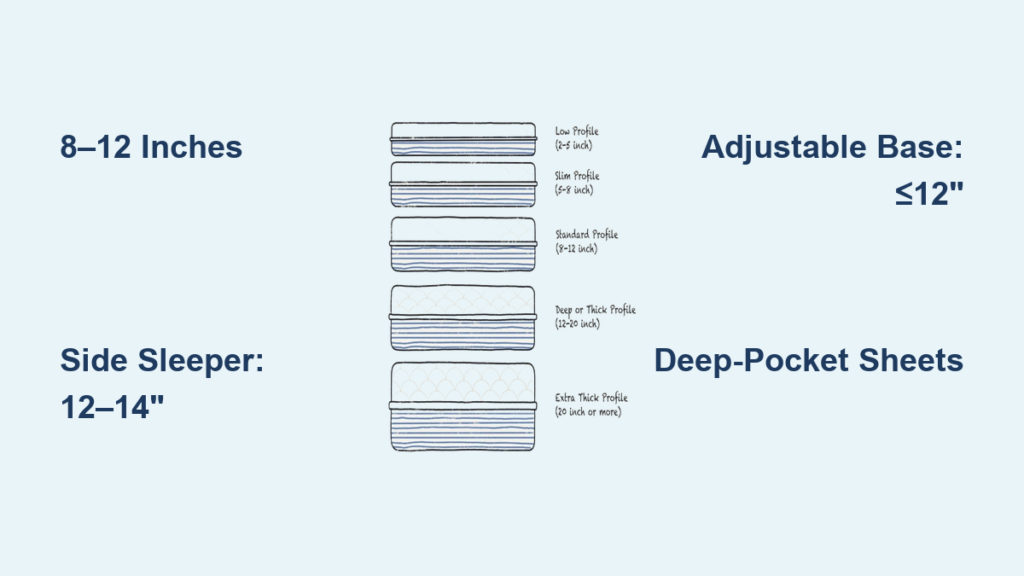
You’ve decided to move, store, or return your memory foam mattress—but its bulky size makes it a challenge. Good news: you can shrink a foam mattress safely and effectively at home using simple tools and the right technique. This guide reveals exactly how to compress a foam mattress for transport or storage without damaging its structure or voiding the warranty.
Foam mattresses, especially memory foam and all-foam types, are designed to be compressed and re-expanded. Their viscoelastic properties allow them to bounce back after being squeezed, making them ideal for DIY shrinking. When done properly, shrinking reduces a 14 to 16 inch mattress down to just 4.5 inches, cutting its height by up to 70 percent. You’ll be able to fit it in an SUV, sedan, or storage unit with ease.
Prepare Your Foam Mattress for Compression
Before compressing, ensure your foam mattress is clean and completely dry. Trapped moisture leads to mold, odors, and foam degradation, which are common reasons warranties get voided. This preparation step takes most of the time but protects your investment.
Remove and Clean Bedding
Strip off sheets, protectors, and toppers. These interfere with compression and take up unnecessary space. Toppers should be rolled separately if you plan to store them too.
Vacuum and Spot-Clean the Surface
Use your vacuum crevice tool to clean both sides, especially seams and edges where dust builds up. For stains, mix mild detergent with water or use a one-to-one vinegar-water solution. Dampen a cloth and blot gently. Never soak the foam.
Deodorize with Baking Soda
Sprinkle baking soda evenly across the surface. Let it sit for 2 to 6 hours or overnight to neutralize odors. Vacuum thoroughly to remove all residue before proceeding.
Allow 24 Hours of Drying Time
Air-dry the mattress in a well-ventilated room for at least one full day. Do not skip this step. Even slight dampness can cause microbial growth inside the sealed bag and permanently damage the foam.
Insert Mattress into Vacuum Seal Bag

Use a heavy-duty vacuum seal bag rated for your mattress size, whether queen, king, or California king. The bag must be airtight and thick enough to resist tearing during compression and handling.
Choose the Right Bag
Look for a bag with built-in vacuum valve, reinforced gusseted sides for thick mattresses up to 16 inches, zipper closure, and durable puncture-resistant material. For king or thick models, ensure the bag exceeds the mattress height by at least 2 inches.
Slide Mattress Inside Carefully
Lay the bag flat and push the mattress in slowly. Two people can hold the bag open while lowering the mattress. Align the foot of the mattress with the zipper end for easier rolling later. Avoid stretching or snagging the bag material.
Seal and Connect Your Vacuum
Close the zipper fully around the mattress. Then connect your vacuum hose to the bag’s valve or create a sealed opening for the hose attachment.
Establish an Airtight Connection
If the bag has a valve, attach the hose directly. If no valve exists, cut a small hole, insert the hose, and seal tightly with duct tape. Any leak will reduce compression efficiency dramatically. Double-check the seal before turning on the vacuum.
Extract Air with Vacuum Power
Turn on the vacuum. You will hear a hiss as air escapes. The foam will begin to collapse inward as atmospheric pressure compresses it. This phase takes 8 to 15 minutes depending on your vacuum strength and mattress thickness.
Monitor Compression Progress
Watch the bag tighten evenly around the foam. The height will reduce from 14 to 16 inches down to approximately 4.5 inches. If one side bulges, pause and reposition the mattress before continuing. Gently press down with your hands or knees to speed up air expulsion.
Roll the Mattress Under Vacuum Pressure
While the vacuum runs, start rolling the mattress from the foot end toward the head, like a sleeping bag. Apply steady body weight to eliminate trapped air pockets and maximize compaction.
Create a Tight Cylindrical Roll
Kneel on the roll as you progress to apply firm pressure. This technique prevents air from re-entering and ensures maximum density. The goal is a tight, compact cylinder that fits easily into vehicles and storage spaces.
Secure with Straps and Seal the Package
Keep the vacuum running for 1 to 2 more minutes after finishing the roll. Turn off the vacuum, remove the hose, and immediately seal the valve with duct tape to lock in compression.
Wrap with Ratchet Straps
Apply three ratchet straps around the rolled mattress, one near the top, one in the center, and one near the bottom. Tighten firmly but avoid indenting the foam or cutting into the plastic. The final result is a compact roll easy for one person to carry.
Alternative: Fold for Tight Spaces
Folding works for short-term situations with narrower dimensions, but it carries higher risk of foam damage compared to rolling.
When Folding Makes Sense
Folding is appropriate only for mattresses under 6 inches thick and transport lasting less than 48 hours. Never fold thick memory foam for storage or long moves. The risk of permanent creases and cell damage is too high.
How to Fold Correctly
Place the mattress in a heavy-duty plastic bag. Fold it in half, either lengthwise for shorter vehicles or widthwise for height-limited spaces. Secure with 2 to 3 ratchet straps. Never store a folded mattress longer than two days.
Compressed Size and Handling Results

After shrinking, your foam mattress becomes dramatically smaller and easier to manage. A 14 to 16 inch mattress compresses to approximately 4.5 inches, representing a 70 percent height reduction. The weight remains unchanged since only air is removed.
| Metric | Result |
|---|---|
| Starting height | 14 to 16 inches |
| Final compressed height | Approximately 4.5 inches |
| Height reduction | Up to 10 inches |
| Compression time | 8 to 15 minutes |
| Handling capability | Single-person manageable |
| Vehicle compatibility | Fits in SUVs, sedans, moving trucks |
Storage Limits and Risks
Even with proper compression, do not store a compressed foam mattress longer than 2 weeks. Extended compression causes permanent foam cell damage, slower or incomplete expansion, and loss of support and comfort. Many warranties are voided by excessive compression time.
Store the Compressed Mattress Properly
Store upright or flat. Avoid stacking heavy items on top of the compressed mattress. Label the roll clearly with “Do Not Stack” or “Fragile Foam Mattress” to prevent damage during handling.
Decompress and Re-Expand the Mattress
When ready to use your mattress again, follow these steps for full recovery. Proper decompression ensures your mattress returns to its original comfort and support levels.
Unstrap and Unseal Carefully
Remove all straps. Open the bag carefully without cutting into the foam. Lift the mattress out and place it on a flat, clean surface.
Allow 24 to 72 Hours for Full Expansion
Edges and top layer expand first, while the core foam takes longer, especially in cooler rooms. Warmer temperatures around 70 degrees Fahrenheit or higher speed recovery by several hours. Place the mattress in a warm room to accelerate expansion.
Wait Before Sleeping
Do not sleep on the mattress within the first 24 hours. Premature use creates body impressions before full recovery, affecting durability and long-term comfort.
Warranty and Manufacturer Rules
Always check your specific brand guidelines before compressing. Some manufacturers pre-compress mattresses for shipping but prohibit customer re-compression. Others allow it only for returns or storage under 14 days.
Protect Your Warranty Coverage
Damage from improper folding or excessive compression duration may void your warranty. Many companies require original vacuum-sealed packaging for warranty claims. Keep your receipts and documentation if you plan to file a claim.
Tools and Supplies Checklist
Gather everything before starting to avoid mid-process interruptions. Using proper tools ensures efficiency and protects your mattress.
Common Mistakes to Avoid
Even experienced movers make errors that damage foam or reduce compression effectiveness. Learn from these common pitfalls to ensure success.
Skipping the Dry Step
Moisture leads to mold and permanent foam damage. Always dry the mattress for 24 or more hours before compression. This step cannot be rushed.
Using Weak Vacuum Cleaners
Standard household vacuums lack sufficient suction power. Expect longer processing times and incomplete compression. A shop vac reduces processing time by up to 40 percent.
Rolling After Vacuuming
Always roll while the vacuum is still running. Rolling afterward lets air re-enter the foam, defeating your compression efforts. Keep the vacuum on until the roll is complete and sealed.
Over-Tightening Straps
Straps should secure the roll without crushing the foam. Deep grooves in the plastic indicate too much pressure. Tighten firmly but stop when the roll feels stable.
Frequently Asked Questions About Shrinking a Foam Mattress
Can all types of foam mattresses be compressed?
Only memory foam and all-foam mattresses are suitable for compression. Hybrid mattresses with coils should not be compressed unless explicitly approved by the manufacturer. Innerspring mattresses contain rigid components that cannot be safely compressed.
How long does it take to shrink a foam mattress?
The actual compression process takes 8 to 15 minutes using a shop vacuum. However, preparation including cleaning and drying adds 24 to 48 hours to the total process time. Plan accordingly when scheduling your move.
Will compressing a foam mattress damage it?
When done correctly following proper procedures, compression does not damage foam mattresses. The key is limiting compression to under 2 weeks, keeping the mattress dry, and allowing 24 to 72 hours for full re-expansion before use.
Can I use a regular vacuum cleaner instead of a shop vac?
Yes, but expect longer processing times and potentially less complete compression. A shop vac delivers stronger suction and can reduce compression time by up to 40 percent. If using a standard vacuum, budget extra time and check seals frequently.
What happens if I leave my mattress compressed too long?
Exceeding 2 weeks of compression risks permanent foam cell damage. The mattress may expand slowly or incompletely, resulting in lost support and comfort. Extended compression can also void your manufacturer warranty.
Do I need help to compress a foam mattress?
Two people make the process easier, especially when sliding the mattress into the bag and managing the vacuum hose. However, a single person can complete the task, particularly with smaller queen-size mattresses.
Key Takeaways for Shrinking Your Foam Mattress
Shrinking a foam mattress is a practical solution for moving, storage, or returns when done correctly. The process relies on memory foam’s viscoelastic properties, which allow it to bounce back after compression. With the right tools and technique, you can reduce a bulky 16 inch mattress to a compact 4.5 inch roll in under 20 minutes.
Remember these critical success factors. Clean and dry the mattress completely before starting. Use a heavy-duty vacuum seal bag with a shop vac for best results. Roll under vacuum pressure and seal immediately. Never exceed 2 weeks of compression time, and allow 24 to 72 hours for full re-expansion before sleeping on it.
Following these steps saves money on moving trucks, avoids professional services, and keeps your mattress in top condition. Whether you are relocating, storing seasonally, or returning a purchase, shrinking your foam mattress is simple, safe, and effective when done right.